Hoodies for Bands: reordering
By The Velocity Wear Team
A reorder is a fresh production run, so the 50-piece minimum and the 10 to 15 working day window both apply again. What you save is the setup and the arguing: artwork is settled, the fit is known, the size curve has been tested against a real crowd. For a band mid-tour, the useful move is to trigger the restock before the stock actually runs out.
When should a band trigger the restock?
The moment the middle of your size curve gets thin, not when the boxes are empty. Production takes 10 to 15 working days from approval and transit sits on top, so a restock ordered on the night you sell out arrives somewhere near the end of the run. Bands that treat the merch count as a weekly task rather than a tour-end task catch it in time. If you are selling online alongside the dates, watch that channel too, because it drains the same boxes. The hoodie ordering page covers minimums, and Can I Reorder the Same Design Later? answers the general version of this question.
Will the second run match the first?
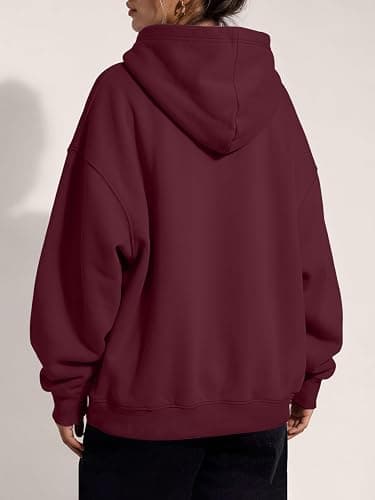
Close, and closer if you plan for it. Garment dye moves slightly between fabric batches, which is normal in apparel rather than a fault, and it shows most on mid-tones. Ink is easier to hold consistent because the colours are specified. Two habits keep runs aligned. Keep your first sample as the physical reference and say that you want the reorder matched to it. And order in fewer, larger runs rather than many small ones, since every extra batch is another chance for a slight shift. If you are reordering a year later into the same design, expect a small difference and decide whether it matters enough to mention on the product page.
How many should you reorder?
At least 50 per design, and more than that if the numbers support it, because the tiers do real work. Pricing steps at 50-99, 100-249, 250-499, 500-999 and 1,000-plus, and the discount reaches up to 35% at the top end measured from the 50-piece price. A band that reorders 50 three times pays the first-tier rate three times. The same band ordering 250 once pays a lower rate on all of them and only manages one delivery. The counterweight is cash and storage: hoodies are bulky, and a van has limits. Split the difference by reordering at the next tier up rather than at the minimum.
What should you keep on file between runs?
The print-ready artwork at the size it was output, not the version someone exported for Instagram. The exact garment colour and fabric weight. The fit. The size split you ordered and, separately, the size split that actually sold. Any private label detail, including woven neck label artwork and swing tag copy. Keeping that in one place turns a reorder into a short message instead of a rebuild, which matters most when the band is on the road. Bands working through our music and touring pages can send the previous order reference and skip most of the conversation.
There is a judgement call underneath all of this. A limited run that sells out has value of its own: it makes the next drop urgent and it saves you hauling boxes across Europe. A restock landing in the final fortnight of a tour may do less for the band than simply announcing that the hoodie has gone. Decide which of those two games you are playing before the stock gets low, because it is a much harder decision to make honestly at two in the morning next to an empty merch box.
Decide who owns the restock before the tour starts. On the road, the person counting stock at the end of the night is rarely the person holding the supplier contact and the bank details, and a reorder that needs three people in different places to agree does not happen quickly. Give one person the order reference, the location of the artwork and authority to spend up to an agreed figure, and a restock becomes a fifteen-minute job rather than a week of messages.