Hoodies for Clothing Brands: reordering
By The Velocity Wear Team
Reordering a hoodie means running production again, so the 50-piece minimum and the 10 to 15 working day window both apply. What disappears is the development work: fit, fabric weight, decoration and label artwork are all settled. For a brand, the reorder is where margin improves, because you can move up a tier with real sales data behind the decision.
What does a brand keep between runs?
Everything that made the first run work, written down in one place rather than in somebody memory. Print-ready artwork at output size. Fabric weight and the exact garment colour. The fit and the graded measurements you published. The size split ordered and the size split sold. Woven neck label artwork, tear-out label copy, swing tag design and packaging specification. Your approved sample, kept as the physical reference. With that on file, a reorder becomes a short instruction against a previous order rather than a rebuild, which is the whole reason a repeat design is more profitable than a new one.
Will the colours match the first run?
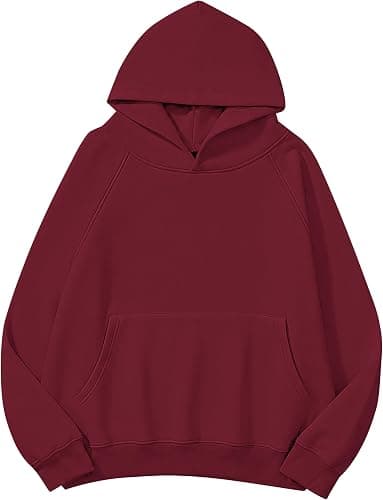
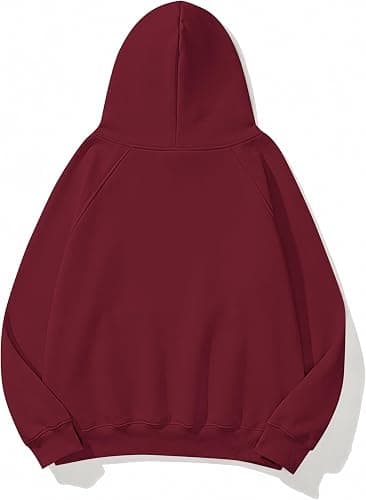
Closely, with a caveat worth understanding. Ink colour is specified and repeats well. Garment dye moves slightly between fabric batches, which is ordinary in apparel and most visible on mid-tones and on washed finishes. Two things narrow the gap: matching against your retained sample rather than against a screen, and ordering in fewer, larger runs so there are fewer batch boundaries to cross. If you sell the old and new runs side by side, a tiny difference can look like a fault to a customer who bought both, so it is worth deciding whether to sell through the first batch before the second goes live.
How big should the second order be?
Bigger than the first, if the data supports it, because the tiers are where unit cost genuinely falls. The steps run 50-99, 100-249, 250-499, 500-999 and 1,000 and above, with up to 35% off the 50-piece price at the top. A brand that has proven a design at 50 pieces and reorders at 50 again is paying entry pricing indefinitely. The limits are cash and storage rather than appetite: hoodies take space, and stock sitting in a unit is money not working. Can I Reorder the Same Design Later? covers the mechanics, and the hoodie ordering page has the current tiers.
When should a reorder become a new version instead?
When the sales data is telling you something the design is not. If a size consistently sells out in days, the fix is the curve, not the quantity. If returns cluster around fit, the fix is the block. If a colourway never moves, retire it rather than restocking it out of habit. Changing the garment colour or the fit makes it a new design for the minimum, so treat that as a decision with a cost rather than a tweak. Repeat buyers are the audience for a restock in the first place, which is why retention for clothing brands and restock planning belong in the same conversation, alongside the range work on our clothing brand pages.
Time the restock to your own audience rather than to the calendar. A design that sold out fast has a waiting list attached to it whether or not anyone wrote one down, so collect email addresses on the sold-out product page and tell that list first once the run is confirmed. It costs nothing, it hands you a rough forecast before the stock arrives, and it means the second run starts clearing on the day it lands instead of waiting for a campaign to catch up with it.
Keep the number of live designs smaller than feels comfortable. Every extra design is another 50-piece commitment, another size curve to get right and another block of stock to hold, and a range of four that reorder is worth more than a range of twelve that each sold half a run. Retiring a design that did not repeat is a decision rather than a failure, and it frees the budget for the one that did.