Hoodies for Charities: samples
By The Velocity Wear Team
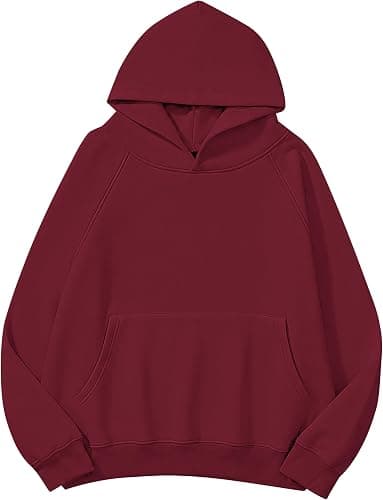
A sample costs £150, credited against the bulk order, and produces one finished hoodie in your chosen weight, colour and artwork. Samples are never free. For a charity the case is straightforward: the money being committed to the run was donated or raised, and £150 is a small sum next to the run it protects, at the last point where a decision can still be reversed.
Why does a charity need a physical garment?
Because supporters judge the hoodie, not the cause, when they decide whether to buy one. A thin garment with a print that looks cheap reflects on the organisation in a way a poorly designed leaflet never does, since people wear it in public. A screen render cannot tell you how the fleece drapes, how dense the print is, or whether the colour is the one you approved.
There is also a governance argument. A trustee signing off a four-figure commitment on a mock-up is making a decision without evidence. A physical garment on the table turns the same decision into an informed one, which is worth the fee on its own. Our charities and fundraising page covers what we need to produce it.
What should trustees actually look at?
- 1The charity number, checked digit by digit against the registration entry.
- 2The logo, compared against the brand guidelines rather than against memory.
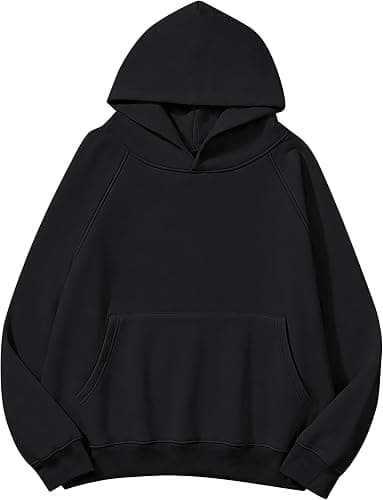
- 3The fleece weight, which should feel like the GSM agreed between 280 and 450.
- 4The colour under daylight, not under the lighting in a meeting room.
- 5The fit on a person of average build for your volunteer group.
Give the review a deadline in the same message that hands over the sample. Charity approval drifts when it has no end date, and every week it drifts is a week added to the front of the 10 to 15 working day production window. AI mockups versus physical samples is a useful thing to circulate to anyone who thinks the render was enough.
How does the credit work?
The £150 is credited against the bulk order that follows, so a campaign that proceeds effectively pays for the sample once rather than twice. If the campaign does not proceed, the fee has covered the production of a real garment made to full specification, which is genuine work rather than an administration charge.
Where a charity is choosing between two colourways or two fleece weights, each sample carries its own fee. Most organisations resolve this by sampling the option they expect to choose and viewing a fabric reference for the other, which keeps the spend proportionate.
What happens to the sample afterwards?
Keep it. It becomes the size reference while volunteers choose, the try-on garment at a stall, and the comparison piece if you reorder next year. A sample that has been through a wash cycle is also the most honest thing you can show a supporter who asks how it will hold up.
What it should not become is a second round of design discussion months later. Once artwork moves, the sample no longer represents the run, and the garment specifications on the wholesale hoodies page are the reference point rather than the garment in the cupboard.