Hoodies for Bands: size splits
By The Velocity Wear Team
Sizes can be mixed freely inside the 50-piece minimum, so the split costs you nothing to get right and a lot to get wrong. Band merch skews larger and looser than shop sizing, because people buy hoodies to wear over things and because oversized fits are what the audience expects. Weight the middle of the run and keep the extremes thin.
What size split works for a 50-piece merch run?
A reasonable starting point for a first run is something like four small, eleven medium, fifteen large, twelve extra large and eight double extra large. That is a suggestion, not a rule, and the right answer depends on your audience more than on any general curve. If the room is mostly late teens and early twenties, push further into large and extra large. If you sell heavily online to an older audience, medium fills back out. The point is that the wholesale hoodie minimum is 50 pieces per design and not 50 per size, so the curve is yours to shape.
Why does band merch skew bigger than shop sizing?
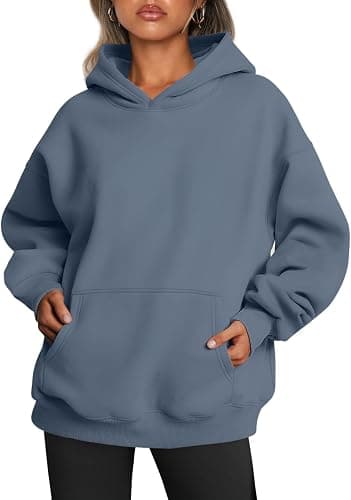
Two reasons worth planning around. First, a hoodie is outerwear at a gig. It goes over a t-shirt, sometimes over another layer, and people size up for that on instinct. Second, the fits we cut run from classic through to oversized, and an oversized body at 400 GSM already wears roughly a size up from a classic cut at the same label size. If you choose the oversized block and then order a shop-style curve, you will end up with a pile of double extra large nobody wants. Pick the fit first, then the curve. Our sizing and fit guide has the measurement detail behind that.
How do you avoid ending the tour with dead stock?
Sell through the middle and accept that the ends of the curve move slower. A few practical habits help.
- Count what sells by size at every date, even roughly on a phone, so the next run is based on your own numbers.
- Keep the tail sizes thin on run one and widen them only once you have seen them clear.
- Put leftover extremes online after the tour, where the buyer searches for their size instead of taking what is on the table.
- Hold a handful back for the band, crew and anyone doing you a favour, and budget those into the 50 rather than discovering them later.
Does mixing sizes change what you pay?
No. Price is set by quantity and by the garment and decoration you choose, not by how the 50 breaks down across the size run. That holds as you move up the tiers too, so a band ordering 250 pieces across five sizes pays the same per piece as one ordering 250 in a single size. Groups working across the music and touring sector usually find the sensible move is to order fewer designs at higher quantities rather than four designs stuck at the minimum, because the discount scales with volume up to 35% and the size curve is free to adjust.
One more practical note, about the table rather than the order. Keep the middle sizes where people can reach them and the extremes behind, because a queue between songs does not browse. Write the available size run on a card so nobody has to ask twice over a PA. And if a size goes on the second night, say so plainly instead of letting people queue for something that has gone; taking an email address for the restock turns a lost sale into a later one.
Separate your thinking between the table and the website, because they sell differently. At a show, people buy what is in front of them and the middle of the curve clears first. Online, buyers filter to their own size and will wait for it, so the extremes move better than they ever do in a room. If you sell both ways, hold part of the small and double extra large back for the site rather than watching them travel the country unsold.