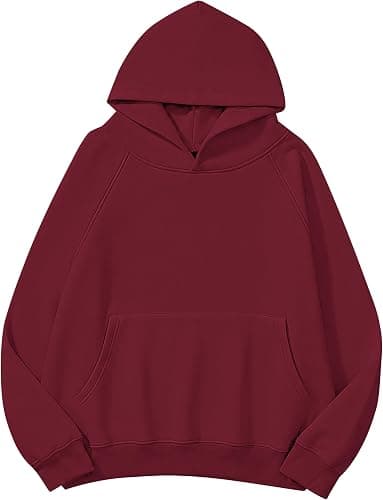
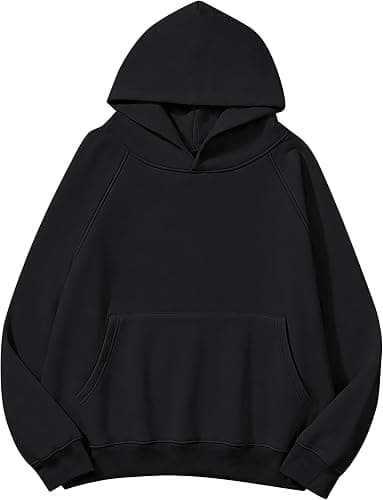
Hoodies for Clothing Brands: samples
By The Velocity Wear Team
A hoodie sample costs £150, credited against the bulk order once you place it, and it is never free. For a clothing brand it does two jobs at once: it proves the garment before 50 pieces exist, and it gives you something real to photograph while production runs. Most brands sample once per silhouette rather than once per drop.
What is a brand actually paying for?
A finished garment built to your specification: fabric weight anywhere from 280 to 450 GSM, the fit you chose, your decoration method, and your private label details including woven neck labels, tear-out labels and swing tags if you have specified them. The £150 comes back as credit against the bulk order, so a brand that proceeds absorbs it rather than adding it. Treat it as the entry cost of establishing a silhouette you will reuse. The wholesale hoodie page covers the specification options a sample can be built against.
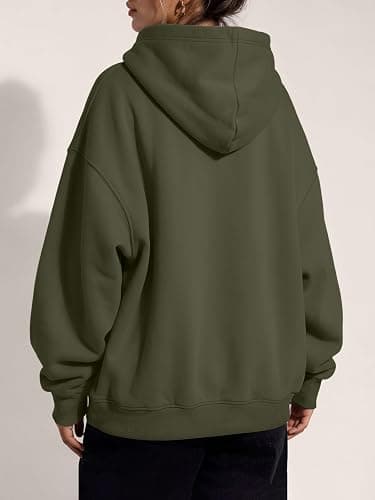
What should you check before approving it?
Work through it deliberately rather than reacting to the first impression.
- 1Measure it. Chest, body length, sleeve length and hem, against the numbers you intend to publish.
- 2Wear it for an afternoon, because drape and weight only show up over time.
- 3Check the decoration in daylight, particularly light ink on a dark base.
- 4Wash it once at the temperature your customers actually use, then look again.
- 5Inspect the label work: neck label position, tear-out legibility, swing tag attachment.
- 6Photograph it. If it does not shoot well, the drop will not sell well either.
Is a sample worth it when you have a good mockup?
A mockup settles layout. It cannot tell you how a print sits on brushed fleece, how much a 450 GSM body weighs after an hour, or whether your oversized block actually looks oversized on a person. AI Mockups vs Physical Samples sets out the specific things a render hides. The other reason to sample is that a made-to-order garment is not a blank with your logo on it: if you have been comparing the two, Blank Hoodies UK lays out where the difference shows, and the sample is how you see it for yourself.
How does sampling fit into the drop schedule?
Ahead of production, not alongside it. The sample is made, shipped, reviewed and approved before the 10 to 15 working day bulk window starts, so a brand with a fixed launch date needs to build that stretch in rather than discover it. The compensation is that a brand which has sampled can shoot its campaign early and go into production with nothing left to decide. Brands developing a range through our clothing brand service often sample a core body once and then run several seasons of artwork on top of it without sampling again.
It also settles the questions email cannot. How the woven neck label sits against the collar seam. Whether the drawcord and the eyelets match the level the rest of the garment is pitched at. How the hood behaves when it is down, which is how it spends most of its life. Whether the cuffs recover after a wash or relax immediately. Each of those is small on its own, and together they are the difference between a garment a customer keeps and one that comes back.
What should you do with the sample once it is approved?
Keep it, label it and write down what it is. It becomes the reference for every future run of that body, and the thing a new team member is handed instead of a description. Shoot product photography on it while bulk is in production, so the launch assets are finished before stock lands. And if you later change a weight, a fit or a decoration method, the retained sample is what the comparison is made against. Brands that treat samples as disposable pay the fee repeatedly without ever building a reference library.
Account for the fee against product development rather than against a drop. A brand launching three bodies over a year is sampling three times, and that is a cost of building the range rather than a cost of any one release. Framing it that way heads off the argument about whether this particular order can afford it, which is the argument that ends with a run being approved from a render.