Reading a Wholesale Quote for Hoodies
By The Velocity Wear Team
A hoodie quote has four parts: the garment price per piece, the decoration cost per position, one-off charges such as sample and setup, and delivery. Only the first is usually quoted prominently, and the other three are what make one supplier look cheaper than another. Add all four together before you compare anything, and check which quantity tier the per-piece figure assumes.
What is in the per-piece price?
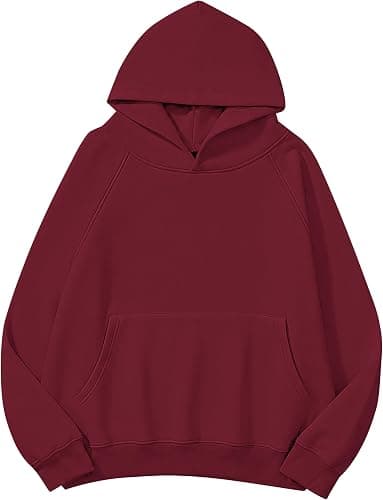
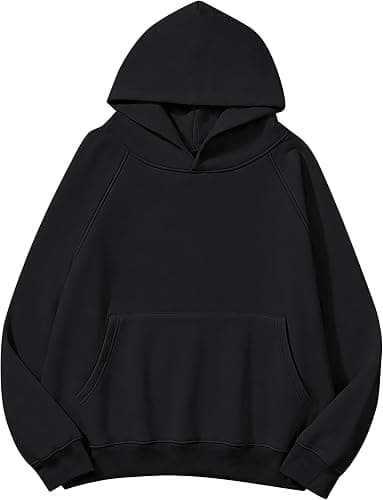
The blank garment as specified: fabric weight, cut, colour, construction and standard finishing, plus folding, individual bagging and carton packing. Hoodies start at $31 a piece at the 50-piece minimum, and that figure moves with the weight and cut you chose, then moves again with quantity. The discount rises as you climb through the tiers, reaching up to 35 per cent off the 50-piece price at the largest quantities. Confirm which tier your figure sits in before you treat it as fixed.
What is not in it is decoration. A quote listing a garment price with no decoration line is quoting a blank hoodie, and the mark on the front is a separate cost. That is not a trick; it is how the industry prices, because one buyer wants a small embroidered chest mark and another wants a four-colour back print, and those are different amounts of work on the same garment. The tier structure is published on the pricing page.
Which lines are extras?
Decoration per position is the big one, and it behaves differently by method. Screen printing carries a screen setup per colour per position, so a four-colour back print has four setups; that cost is fixed and spreads thinner as quantity rises. Embroidery carries a one-off digitising charge to convert artwork to a stitch file, then a per-piece cost driven by stitch count. DTF has no screens, so it is the flatter option for complex artwork at lower quantities.
Then the rest: the £150 sample, which is credited against the bulk order rather than added to it; custom neck labels, care labels, swing tags and any non-standard packaging; and delivery, which depends on weight and destination across the UK, the USA and Europe. Invoicing is available in seven currencies, so check which one the quote is written in before comparing it to another. The individual cost components are broken down further in the real cost breakdown of custom hoodies.
How do you compare two quotes fairly?
Put them next to each other at the same quantity, the same fabric weight, the same cut and the same decoration. Any difference in those four makes the comparison meaningless. A quote that looks fifteen per cent lower on a 280 GSM fleece against a 350 GSM one is not lower at all. If one supplier has not stated the weight, that is the first question, not a detail to sort out later.
Then compare the landed total, not the unit price. Take the per-piece figure times the quantity, add every setup and digitising charge, add labels and packaging, add delivery, and subtract the sample credit if you took one. That number divided by the quantity is your real cost per hoodie, and it is frequently a different ranking from the one the headline prices suggested. Turning that into a working budget is covered in budgeting a bulk hoodie order.
What should you ask before accepting?
- How long is this quote valid, and what would change it?
- What is the price at the next quantity tier up?
- Is the sample cost credited, and against what minimum quantity?
- What are the payment terms and the currency?
- What is the production window in working days, from what trigger?
- What is included in delivery, and to which address?
A supplier who answers all six in writing is one you can plan around. The trigger question matters most: production is 10 to 15 working days from artwork approval, not from the day you place the order, and a quote that quietly counts from order date is describing a different schedule. Specifications and per-piece figures for each garment sit on the wholesale hoodies page.