Hoodies for Clothing Brands: lead time
By The Velocity Wear Team
Production takes 10 to 15 working days from artwork approval, with transit added on top. For a clothing brand the practical planning figure is longer, because sampling, photography and a launch campaign all sit around that window. A drop landing on a fixed date wants artwork approved roughly six to eight weeks out, not three.
How do you schedule a drop backwards from launch?
Start at the launch date and subtract in this order. Campaign and pre-launch content, because you need stock in hand to shoot it unless you are working from the sample. Transit from the factory to your fulfilment address. The 10 to 15 working day production window. Artwork approval, which is the point the clock starts. Before that, sampling and your review of the sample. Brands that only count production are the ones announcing a date and then quietly moving it. Apparel Production Lead Times Explained covers how the same sequence behaves across other garment types, and the hoodie wholesale page sets out what is being produced in that window.
What is happening during the 10 to 15 working days?
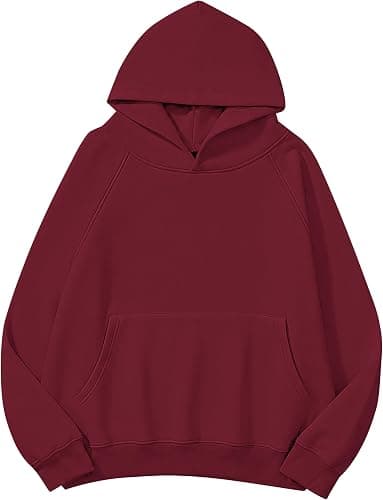
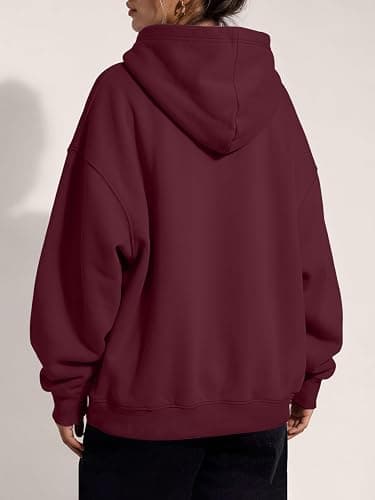
Blanks in your weight and colour are prepared, from 280 GSM for a lighter piece up to 450 GSM for a heavyweight body. Artwork is separated for screen printing, or files are prepared for DTF, embroidery, sublimation or 3D puff. Decoration runs and cures. Private label work is fitted in around it: woven neck labels stitched in, tear-out labels set, swing tags attached, packaging filled. Then inspection, folding and bagging. The finishing steps are why a private label hoodie order sits at the longer end of the window more often than a plain printed one does.
Can you shorten the timeline for a seasonal window?
Not the production window itself, but almost everything either side of it is under your control. Approve artwork in one round rather than three. Keep the drop to one or two designs, since each design carries its own approval and its own 50-piece minimum. Shoot the campaign on the sample so photography is finished before bulk arrives. Decide the fabric weight before you start the artwork rather than after. For seasonal peaks the honest answer is to order earlier: a brand aiming at a late November launch should be approving artwork in September, not scrambling in early November when everyone else is too.
What resets the clock once it has started?
Changing the artwork after approval, because screens or embroidery files already exist. Changing the garment colour, which may mean different blanks and different ink. Adding a design late, which is a separate order rather than an addition. Requesting a sample after bulk has been booked, which puts a review step in front of production. None of these are refused, they simply move the date, and a brand with a campaign booked around a launch feels that more than most. Planning a full season through our clothing brand pages makes those decision points easier to see in advance.
Build one buffer into the plan rather than five. A brand that pads every stage ends up with a launch date months out and loses whatever momentum the idea had; a brand that pads none of them announces dates it cannot keep. The workable compromise is a single week of slack held at the end, after freight and before launch, owned by whoever is running the drop. It absorbs a customs hold or a slow goods-in without anyone renegotiating the campaign, and if it goes unused you launch with stock already on the shelf.
Use the production window rather than waiting through it. Those are the weeks for finishing the product page, writing the size guide from your sample measurements, setting up the launch emails and briefing whoever is shooting the campaign. Brands that treat the period as dead time end up launching late with everything half-built, which from the outside looks exactly like a production delay and is not one.