Hoodies for Clothing Brands: cost
By The Velocity Wear Team
Custom hoodies start at $31 a piece at our 50-piece minimum, and that figure falls as quantity rises, by up to 35% at the top of the tiers. For a clothing brand the unit price is only half the picture: fabric weight, decoration and private label finishing all sit inside it, and your retail price has to carry all three.
What does a first hoodie drop actually cost?
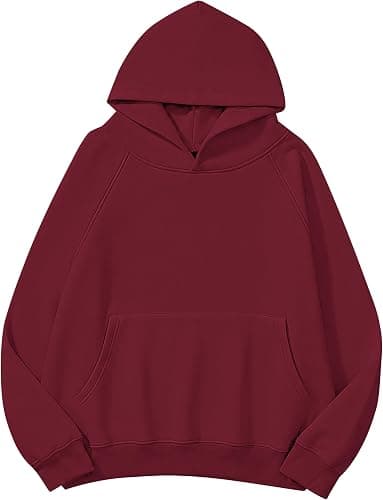
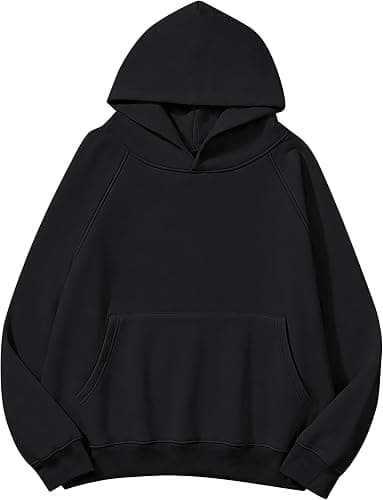
Take the minimum as your worked example. Fifty pieces of one design at the from-price of $31 is the floor, before you add anything. Onto that go the choices that make it your garment rather than a blank: a heavier fabric, a specific fit, the decoration method, woven neck labels, tear-out labels, swing tags and packaging. None of those are enormous individually. Together they are the difference between a hoodie that sells at a brand price and one that reads as a printed blank. Our wholesale hoodie page lists the current from-price, and The Real Cost Breakdown of Custom Hoodies itemises where the money goes inside a single garment.
How much does the price drop as you order more?
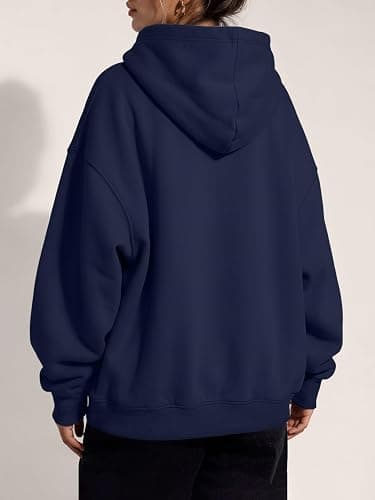
The tiers run 50-99, 100-249, 250-499, 500-999 and 1,000 and above, and the discount is measured from the 50-piece price to a ceiling of 35%. That shape matters more than the individual steps. A brand that orders 50 units of four colourways is paying entry-tier pricing four times over, because each colourway that needs its own setup counts as its own design and its own minimum. The same budget spent on one colourway at a higher quantity buys a materially lower unit cost and one delivery instead of four. Most first drops are better off narrow and deep.
What drives the price beyond quantity?
Four levers, roughly in order of impact.
- Fabric weight. A 280 GSM brushed-back fleece and a 450 GSM one are different garments with different costs and different retail positions.
- Fit. Oversized blocks use more fabric than a classic cut, which shows up per piece.
- Decoration. Colour count in screen printing and stitch count in embroidery both feed in; a large photographic DTF print prices differently again.
- Private label. Woven necks, tear-outs, swing tags and packaging are what let you charge brand prices, and they are the part most first-time brands leave out of the sums.
What margin should a brand build in?
Work from landed cost rather than the quoted piece price. Landed cost is the unit price plus freight to your country, plus any duty, plus the sample fee if you have not yet absorbed it, divided across the run. Then set retail against that, remembering that discounting eats the difference fast. Brands planning promotional periods should run those numbers before committing stock; Black Friday for Small Clothing Brands makes the case for deciding in advance rather than in November. If you want the broader market picture on hoodie pricing, How Much Do Custom Hoodies Cost? sets it out.
Where does the sample fee fit in?
A sample garment is £150 and that amount is credited against the bulk order when you place it, so for a brand that proceeds it is absorbed rather than added. Treat it as a cost of the first drop and not of every drop, since once a fit and a fabric are signed off you are only sampling again when something genuinely changes. Brands building out a full range through our clothing brand service usually sample once per silhouette and then reuse that reference across seasons.
Freight and duty belong in the same sum. We deliver to the UK, the USA and Europe and invoice in seven currencies, which takes out one conversion but not the shipping leg. Add those before you set a retail price, because a unit figure that looked comfortable at the quote stage can shed a meaningful slice of its headroom by the time the boxes reach your unit. Brands that skip the exercise usually find out during their first promotional period, when the discount they had planned turns out to be the margin they had.
Decide early whether you are pricing one product or three markets. A brand selling into the UK, the USA and Europe from a single run has one cost base and three sets of local expectations, and setting each price to a figure that looks deliberate in its own market beats converting one number and publishing whatever comes out. Delivery thresholds belong in that decision too, since a shipping offer set carelessly can quietly remove the margin you worked up the tiers to protect.