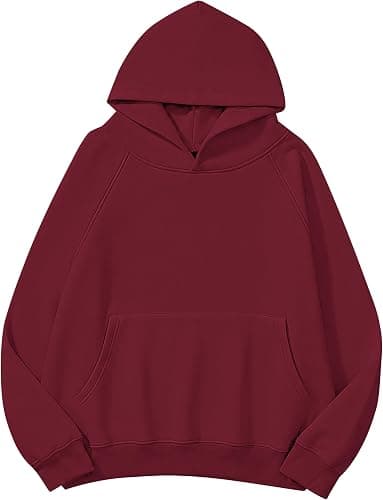
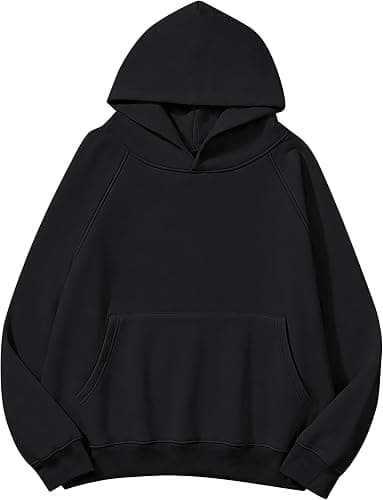
Hoodies for Bands: samples
By The Velocity Wear Team
A sample hoodie is £150 and that fee is credited against the bulk order when you place it. It is never free. What you get is one finished garment in your fabric weight, your fit and your artwork, which is the only reliable way to judge how a design sits on fleece before 50 of them exist.
What does a band get for the £150?
A real hoodie, made the way the run will be made. Same blank, same weight anywhere from 280 to 450 GSM, same fit from classic through oversized, same decoration method and the same neck label or tear-out label if you have specified one. The £150 comes back to you as credit against the bulk order, so for a band that goes on to order 50 pieces the sample effectively becomes part of the spend rather than an extra. For a band still deciding between two ideas, it is the cost of not finding out at the merch table. Prices for the run itself sit on the wholesale hoodies page.
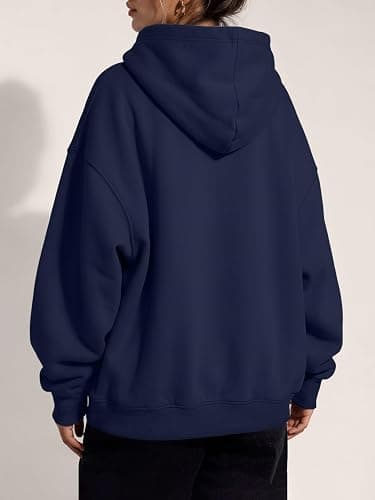
What should you check when it arrives?
Put it on. Then look at it in daylight rather than under the kitchen light, because ink and dye both shift under artificial colour. Beyond that:
- 1Print placement on a body, not on a table. A back panel that looks centred flat can sit too high once the hood falls.
- 2Ink colour against the garment colour, especially anything light on dark.
- 3How the fit actually wears, since an oversized block reads about a size larger than a classic cut.
- 4The hand feel of the print. A heavy coverage area on fleece can stiffen a panel.
- 5Neck labels and tear-outs, if you are running private label, for legibility and position.
Is a sample worth it for a single tour run?
Usually yes, and the reason is not quality control, it is decision-making. A band ordering one design for a six-week run has a single shot at it. If the artwork turns out too small for the panel, or the green in the logo disappears against the garment, that is 50 pieces you will be carrying home. The cost of being wrong is far more than £150. The argument for skipping it is time: the sample and your review of it both sit before production, and production is already 10 to 15 working days after approval. If the deadline is genuinely tight, order the sample the same week you finalise the artwork rather than dropping it.
Why not just approve a mockup?
A digital mockup tells you about layout and nothing about material. It cannot show you how a white ink lays on brushed-back fleece, how much the pile lifts a fine line, how heavy a 450 GSM body feels after an hour, or whether the oversized fit you clicked matches what you pictured. AI Mockups vs Physical Samples goes through the specific failures. Use the mockup to agree the design internally and the sample to sign it off. Bands and managers working across music and touring tend to settle into that order after one run that went out wrong.
Once it is approved, keep it. The sample is the reference a restock gets matched against, and it is worth far more in a flight case than sold off a table for the price of a t-shirt. Photograph it properly while it is new, too. Those images are what the online store, the pre-order page and the socials all run on, and they exist weeks before the bulk order lands, so a band that samples early gets its product photography done during production rather than after it.
If the budget stretches to only one sample, spend it on the garment you expect to make again rather than on the novelty piece. The standing hoodie that lives on your website between records is the one that will be produced repeatedly, so the body, the weight and the fit are worth settling properly. A one-off design tied to a single run can ride on decisions you have already proved elsewhere.