
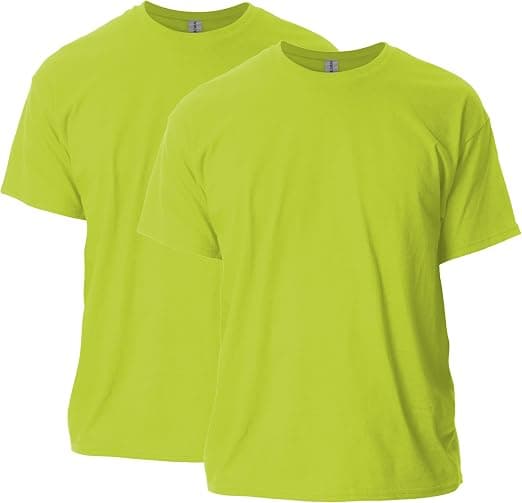
Minimum Orders Explained for Restaurants
Fifty pieces per design sounds like a lot for a twenty-person venue. Counted properly, it usually is not.
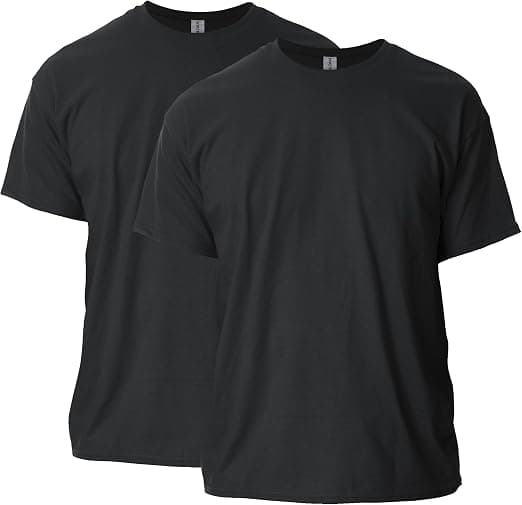
Lead Times Restaurants Should Plan For
Ten to fifteen working days of build, plus transit. For an opening, that is not the part that goes wrong.
Sizing a Clothing Order for Restaurants
Hospitality turnover means the person you sized for may not be there in six months. Size the role instead.
Restocking Branded Kit for Restaurants
Hospitality kit wears out faster than any other branded clothing. The reorder should be routine, not a scramble.
Samples Before Bulk: A Guide for Restaurants
A uniform sample costs £150 and comes off the bulk invoice. Put it through a real service before you approve anything.
Branding Options for Restaurants
Most venues brand the chest and stop. The neck label, the tag and the bagging are three more decisions worth making.
Picking a Clothing Supplier: Restaurants
Restaurant kit lives in heat, steam and stains, so the supplier question is really a fabric and durability question. Here is how to ask it properly.
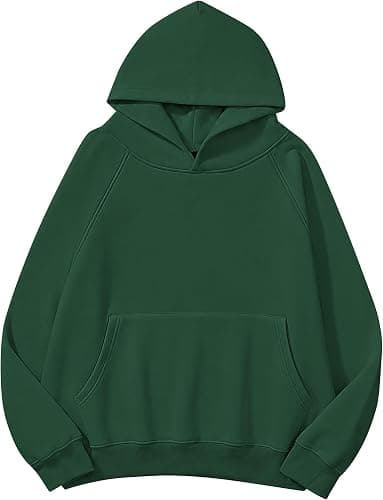
What Trades Pay for Branded Clothing
Branded workwear for a trades firm starts from £11 a tee and climbs with the garment, not the logo. Here is what each layer of a site kit costs.
Minimum Orders Explained for Trades
The 50-piece floor is per design, not per order, and that distinction decides how a trades firm should structure its first kit purchase.
Lead Times Trades Should Plan For
Production is 10-15 working days from artwork approval. The part that catches trades firms out is everything that happens before approval.
Sizing a Clothing Order for Trades
Site crews skew larger than a retail size curve, and workwear is worn over other layers. Both facts should change the numbers you order.
Restocking Branded Kit for Trades
Every trades firm reorders, because crews change and kit wears out. Planning the second run before the first arrives is what keeps it simple.
Samples Before Bulk: A Guide for Trades
A sample costs £150 and is credited against the bulk order. On a site garment it is the only way to judge fabric weight and seam strength.
Branding Options for Trades
A site logo has to stay legible through abrasion and hot washes. Here is which decoration method holds up and what private labelling adds.
Picking a Clothing Supplier: Trades
Most bad workwear orders are decided at the quote stage. These are the questions that expose the difference between two similar-looking prices.
What Sports Clubs Pay for Branded Clothing
Club kit prices are set by the garment and the quantity, not by how many badges are on it. Here is what each item costs at the minimum.
Minimum Orders Explained for Sports Clubs
A single team rarely reaches fifty on its own. Clubs that combine sections across one design clear the floor and drop a discount tier at once.
Lead Times Sports Clubs Should Plan For
Club kit deadlines are fixed by the fixture list, not by the factory. The safe plan starts four weeks before the first match, and earlier in practice.
Sizing a Clothing Order for Sports Clubs
Sizes mix freely inside the fifty-piece run, so the only real cost of a bad size split is the kit nobody wears. Here is how to avoid it.
Restocking Branded Kit for Sports Clubs
Clubs reorder on a season cycle, and the gap between runs is where colour drift and shortages live. Both are solved at the first order.
Samples Before Bulk: A Guide for Sports Clubs
A committee signing off fifty pieces on a screen render is taking a risk it does not need to. The sample costs £150 and comes off the bulk invoice.
Branding Options for Sports Clubs
A club crest, a sponsor and a squad number are three different decoration jobs. Matching each to the right method is what keeps kit looking right.
Picking a Clothing Supplier: Sports Clubs
Choosing a kit supplier is a committee decision made on incomplete information. These questions turn it into a comparison of like for like.
Sports Clubs: Summer Events Order Deadlines
A summer event date does not move, so the order date has to. Here is the count-back that gets kit on site before a May or June fixture.
What Offices Pay for Branded Clothing
Corporate uniform starts from £30 a piece and a branded hoodie from £30. The bigger saving is in how often an office places the order.
Minimum Orders Explained for Offices
A forty-person office still orders fifty pieces, and that surplus is the answer to new starters rather than a problem to solve.
Lead Times Offices Should Plan For
Production runs 10 to 15 working days from artwork approval, and transit sits on top. Plan five to six weeks from first enquiry to kit on desks.
Sizing a Clothing Order for Offices
A size split that fits your actual staff list, not a generic curve, is what stops branded office kit turning into dead stock.
Restocking Branded Kit for Offices
Repeat orders are faster than first ones, but dye lots and stock changes mean a restock needs a little planning to match what staff already wear.
Samples Before Bulk: A Guide for Offices
A sample costs £150 and is credited against the bulk order. On a first run for an office of fifty, it is the least expensive insurance an order can carry.
Branding Options for Offices
Branding an office garment goes beyond the chest logo. Neck labels, tags and how each piece is bagged decide how the kit feels on arrival.
Picking a Clothing Supplier: Offices
Most office clothing quotes are not comparable as written. Here is how to normalise them and what to ask before anyone signs anything.
Offices: Christmas Order Deadlines
December is a fixed date that does not move. Counting back through delivery, production and approval puts the order in October.
Offices: the New Year Rush Order Deadlines
January intakes arrive to an empty cupboard unless the order went in during November. Here is the schedule that avoids it.
Offices: Trade Show Season Order Deadlines
Trade show kit that arrives the day before is kit you cannot check. Aim for delivery a week early and order six weeks out.
What Events Pay for Branded Clothing
Crew tees start from £11 and hoodies from £30 at the 50-piece minimum. Here is how the price moves as an event order grows.
Minimum Orders Explained for Events
Fifty pieces per design, sizes mixed freely. The counting rule that decides whether an event order is one run or three.
Lead Times Events Should Plan For
An event date is immovable, so the buffer belongs at the end. Count back six weeks from the gates opening, not from load-in.
Sizing a Clothing Order for Events
Crew sizing is arithmetic; merch sizing is a bet. The two halves of an event order should be split on completely different logic.
Restocking Branded Kit for Events
A mid-season restock runs on the same 10 to 15 working days, but dye lots move. Sometimes one larger run is the better answer.
Samples Before Bulk: A Guide for Events
A sample costs £150 and comes off the bulk invoice. Against a date that cannot move, it is the one check worth the fortnight.
Branding Options for Events
Event branding runs from the print on the front to the label in the neck and the bag it sells in. Each one changes how merch is received.
Picking a Clothing Supplier: Events
An event supplier is judged on one thing above all: whether the kit lands before the gates open. Here is how to test that in advance.
Events: Summer Events Order Deadlines
May and June deliveries need an order placed in March or April. Spring is the busiest window in the calendar, so slippage costs most here.
Events: Tour Season Order Deadlines
Merch that misses the opening night misses the best selling night. Order six to eight weeks before the first date, not the first rehearsal.
What Charities Pay for Branded Clothing
A fundraising tee starts from £11 at the 50-piece minimum. Here is how that unit cost sits against what the garment raises.
Minimum Orders Explained for Charities
The minimum is 50 pieces per design, and those 50 can be split across sizes however your volunteers need. Here is how that works for a charity budget.
Lead Times Charities Should Plan For
Ten to fifteen working days of production, plus delivery, plus the approval stage that nobody budgets for. Here is how a charity should count backwards.