What Offices Pay for Branded Clothing
By The Velocity Wear Team
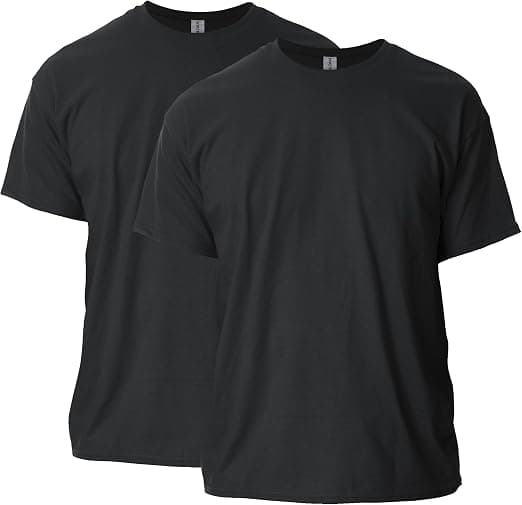
Corporate uniform starts at $20 per piece, polo shirts at $18, t-shirts at $13 and hoodies at $31, all at the 50-piece minimum. The discount rises to as much as 35% as quantity grows. For most offices the decision that moves the total is not which garment to buy, but whether to buy the year in one order or in four.
What does an office starter kit cost per head?
A typical onboarding kit is a polo and a hoodie, which is around $49 per person at the 50-piece rate before the tier discount is applied. Adding a tee at $13 covers casual days and event wear. That figure falls as the order grows, which is the argument for buying a year of new starters at once rather than as they arrive.
The hidden cost is administrative rather than unit price. Four small orders a year means four artwork approvals, four proof cycles and four waits of 10-15 working days, all of which consume someone's time. Our corporate and offices page lists what we produce for internal programmes.

Which garments carry a dress code best?
A polo at $18 is the workhorse, because it sits comfortably in almost every office dress code and photographs well. Corporate uniform pieces at $20 suit client-facing roles where a shirt is expected. Hoodies work for engineering and creative teams and for anything issued as a gift rather than a requirement.
Where offices get this wrong is by buying one garment for everyone and finding half the company never wears it. Two garments across two groups, each reaching fifty pieces, produces far less unworn stock than one garment nobody agreed on. Corporate clothing for small UK firms works through the choice.
How does an annual order beat four small ones?
On price and on effort. The tiers are counted per design at 50-99, 100-249, 250-499, 500-999 and 1,000 plus, so four separate runs of fifty sit in the lowest band four times, where one run of two hundred sits two bands higher. Same garments, same artwork, materially different invoice.
- One artwork approval instead of four.
- One 10-15 working day wait instead of four.
- One dye batch, so every garment in the office matches.
- A better tier, because quantity is counted per run.
The trade-off is storage and forecasting, which for an office is a cupboard and a headcount plan. That is a much easier problem than the one it replaces. Building the programme properly is covered in a corporate apparel program that does not get messy.
Where does decoration sit in the total?
Smaller than most buyers assume. An embroidered chest logo is priced on stitch count, and a typical corporate mark is a modest one. A second position adds setup rather than doubling the garment cost, and the setup is spread across the run. The decoration methods available are listed on the wholesale overview.
How should an office budget for the year?
Per head rather than per order, then multiply by the headcount you expect at the end of the year rather than today. That produces a number a finance team can approve once, and it avoids the pattern where a small order is approved each quarter and the total quietly exceeds what a single larger run would have cost.
Build in the pieces that are not garments separately. Bottles and keychains are quoted per job, so they need their own line rather than an assumed per-piece figure, and they are usually bought for an event rather than for onboarding. Keeping the two budgets apart stops an event spend from eating the allocation that was meant to clothe next year new starters, which is a quiet way for an apparel programme to run out of money in October.