Restocking Branded Kit for Restaurants
By The Velocity Wear Team
A restaurant reorders by sending the approved artwork back with the quantity and size split, and the repeat run takes the same 10 to 15 working days to build. The minimum stays at 50 pieces per design. The one thing that can differ between runs is the fabric dye lot, which shows up as a slight shade shift against shirts already in service.
How often does restaurant kit need replacing?
More often than most operators budget for. Heat, oil, repeated hot washes and constant wear do in a year what a corporate polo survives for five. The honest planning assumption is an annual cycle for anything worn on shift, with kitchen pieces going faster than floor pieces.
Rather than replacing everything at once, many venues run a rolling replacement: refresh a proportion each year so the floor never looks uniformly tired and the budget never spikes.
Whichever pattern you use, agree what triggers a piece being retired. Without a rule, shirts stay in circulation long past the point where they look right, because nobody wants to be the person who throws out stock. A quick check at a fixed point in the year, with a visible bin for anything faded or marked, keeps the standard consistent.
Will a repeat run match the shirts already on the floor?
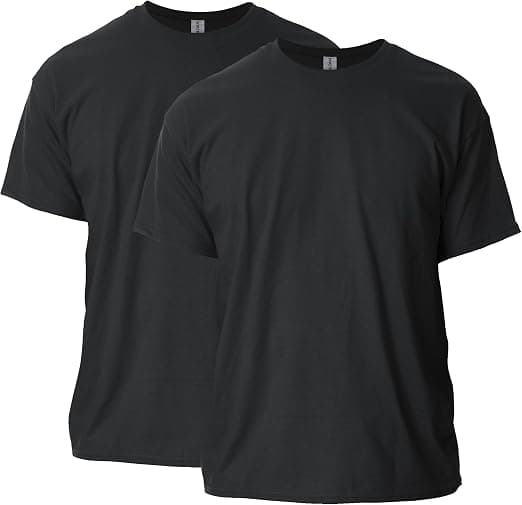
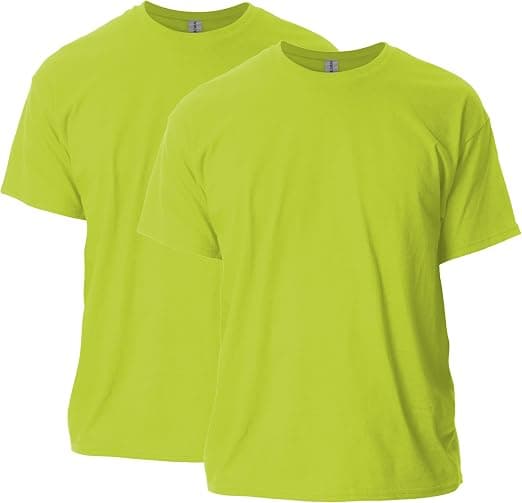
The print or embroidery will match, because the artwork is identical. The garment colour can move slightly, since cloth is dyed in batches and two batches made months apart are not guaranteed to be the same shade. Across a busy room nobody sees it; hung side by side on a rail, sometimes you can.
If your venue is one where that matters, either order the full year in one run and store it, or replace a whole section at a time so the difference falls along a role boundary rather than randomly across the team.
When in the year is a top-up easiest to absorb?
In your quiet period, whenever that falls. Ordering in the run-up to your busiest trading weeks means the delivery arrives while nobody has time to check cartons or issue kit, and it also means you are choosing artwork under pressure. Put the reorder into the calendar as a fixed date rather than a reaction.
A trigger level works as well as a date: when the spares cupboard hits an agreed number, the order goes in. The reasoning is in when to reorder and how much buffer to hold.
What records make a reorder a five-minute job?
The approved artwork file, the garment and colour reference, the size split from last time, a note of what you actually issued through the year, and one clean piece from the previous run to compare against. Keep them where a new manager can find them, because hospitality management turns over too.
Quantity still sets the price, so a larger repeat run reaches a better tier, up to 35% off the 50-piece figure. See the restaurants and hospitality page for the lines venues repeat, and the wholesale range for where the tiers start.
If the venue is part of a group, keep those records centrally rather than per site. The moment two managers are working from two versions of the artwork, the shirts stop matching and nobody can say which version is correct. One folder, one owner, one current file, and the repeat order stops being a piece of detective work every year.