What Trades Pay for Branded Clothing
By The Velocity Wear Team
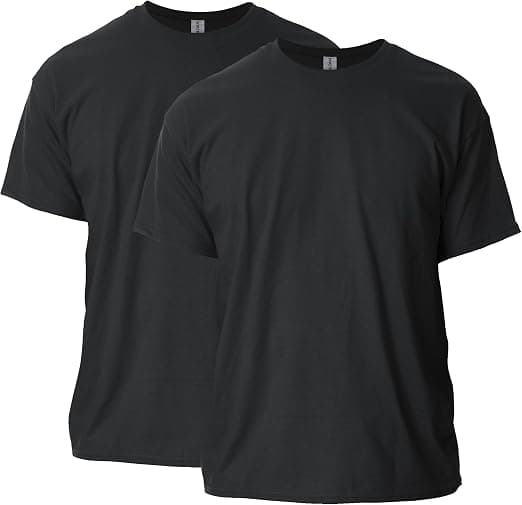
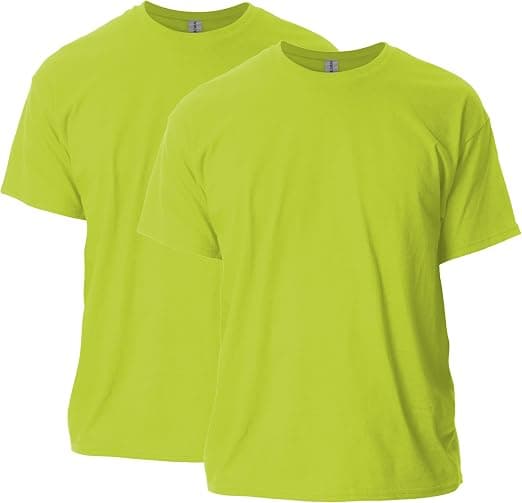
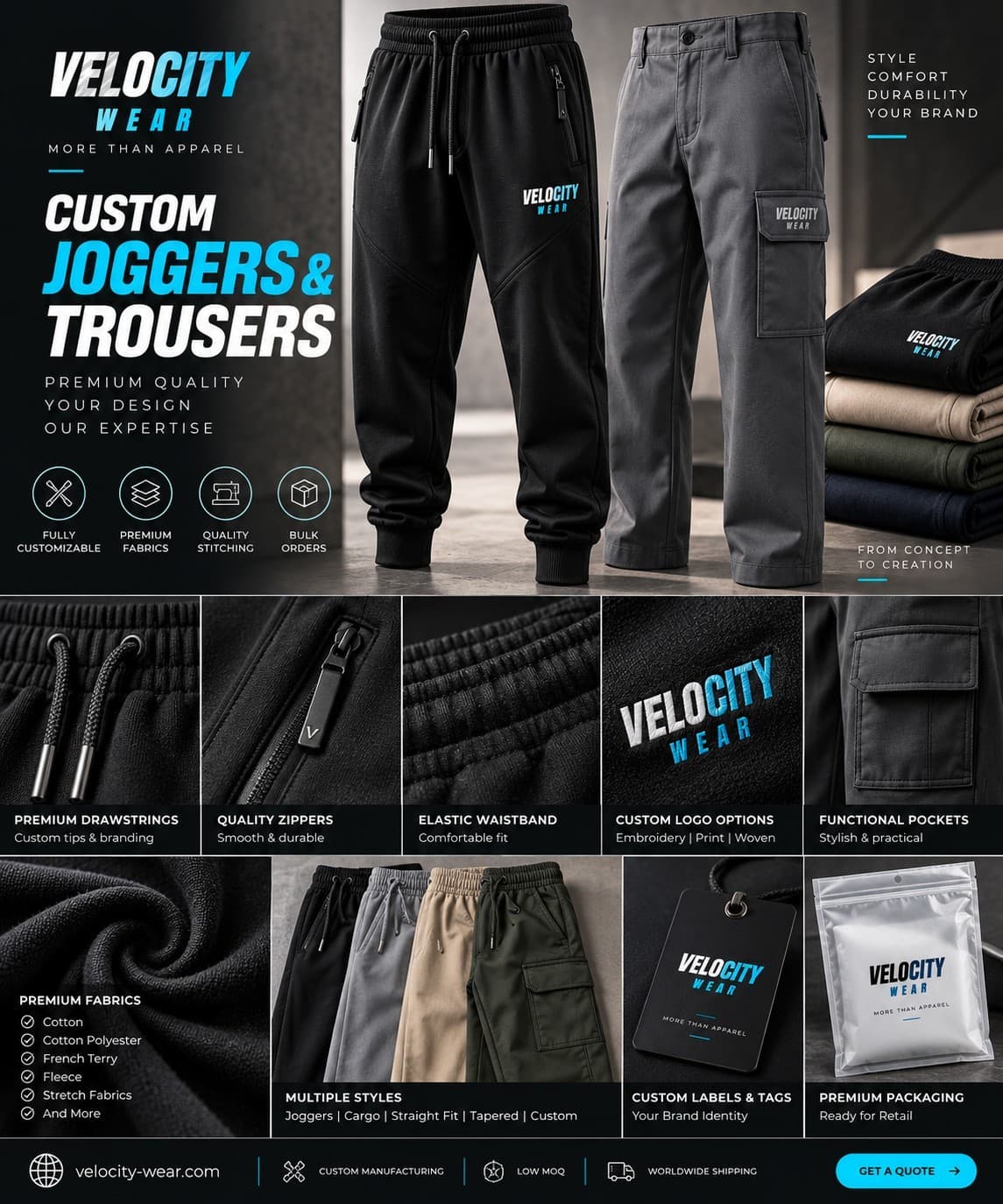
A branded trades kit starts at $13 per t-shirt, $18 per polo, $22 per jogger and $31 per hoodie, all at the 50-piece minimum. Jackets are quoted per job because the shell and lining options vary too much for a single from-price. As quantity rises the rate drops by as much as 35% from that 50-piece figure.
What does a crew kit cost per piece?
Most firms build the kit in layers rather than buying one garment. A tee at $13 is the base that gets worn out fastest and replaced most often. A polo at $18 is what goes on for client visits and site meetings. A hoodie at $31 is the warm layer that lives in the van from October. Joggers at $22 round it out for firms that issue a full set.
Added together that is a substantial figure per head, which is why most trades firms stagger it: tees and polos first, outer layers before winter. The construction and trades page lists what we produce for site crews and which items are priced per job rather than per piece.
How far does the price move as the order grows?
The discount is measured from the 50-piece price and reaches up to 35% at the top tier. The bands are 50-99, 100-249, 250-499, 500-999 and 1,000 plus, so a firm of thirty people ordering two garments each lands in a better band than the same firm ordering one. That is a genuine argument for buying the year in one go rather than quarterly.
Screens and setup are the reason the curve is shaped this way. The preparation cost for a print or an embroidery file is the same at 50 pieces as at 500, so it is spread thinner every time the run grows. You can see the full tier table on the wholesale overview.
Where does the money actually go on a site garment?
Fabric first. A tee that survives a working week on site is a heavier knit than a giveaway tee, and that weight is most of the price gap between a cheap garment and one that lasts a season. Construction is second: shoulder seams and cuffs are where site clothing fails, and reinforcement costs money before anything is printed on it.
Decoration is third and usually smaller than buyers expect. Adding a second print colour adds a screen, not a proportional cost per garment, and the effect shrinks as the run grows. If you are weighing artwork complexity against budget, how many colours your design should have works through the arithmetic.
What is worth paying more for on a trades order?
Visibility and abrasion resistance. A site garment is judged by whether it is still legible and intact after a winter, and both of those are specification decisions made before the order is placed. Paying for a heavier fabric on the layer worn every day usually costs less over a year than replacing a thin one twice.
Where it is worth saving is on the garments that are seen rarely. A jacket handed out once and worn over everything can be a simpler spec than the polo underneath it. Specifying construction workwear for the site covers which layers deserve the budget.
Should a firm buy the whole year in one order?
For most trades firms, yes. The production window is the same whether the run is fifty pieces or five hundred, the artwork setup is paid once either way, and the quantity tier improves with every extra garment on the same design. Four separate runs of fifty across a year sit in the lowest band four times over and consume four rounds of proofing.
What it asks in return is a headcount forecast and somewhere dry to keep the surplus. A van rack and a shelf in the office cover it. The firms that find this hardest are the ones growing fastest, and even there a generous estimate ordered once usually beats an accurate estimate ordered quarterly, because the second option carries the higher per-piece rate every single time.