Samples Before Bulk: A Guide for Sports Clubs
By The Velocity Wear Team
The sample is £150, credited against the bulk order, and for a club it does two jobs. It settles the specification, and it gives the committee a physical object to approve rather than an image. Since the minimum is fifty pieces per design and there is no small trial run available, a garment in hand is the only real check before commitment.
Why does a committee need a physical sample?
Because approval by committee is approval by several people with different expectations, and a screen render lets each of them imagine a different garment. A sample collapses that into one object everyone has held. It also ends the recurring argument about whether the crest is big enough, which is almost always answered differently in person than on a monitor.
There is a governance point too. A committee spending members' money on fifty pieces has a much easier meeting when the item is on the table. What we produce for clubs is listed on the sports clubs page.
What does £150 buy, and is it refunded?
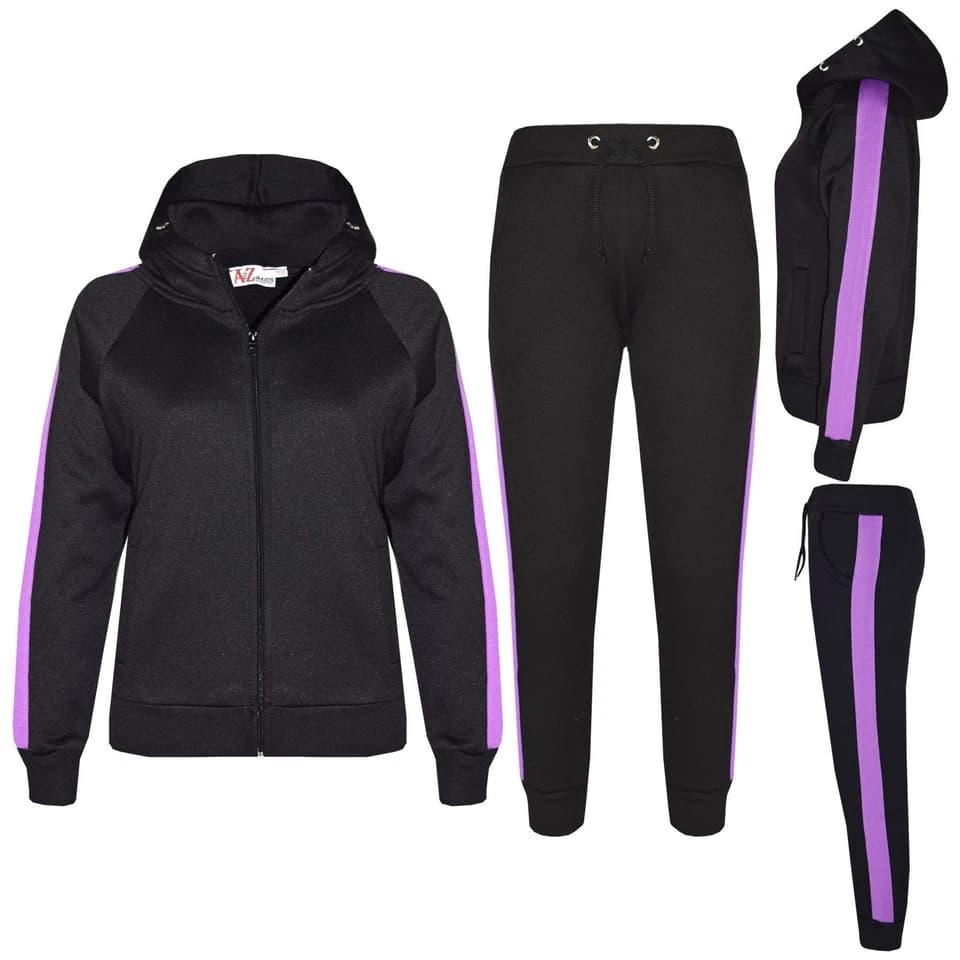
It buys a garment made in your specified fabric and colour carrying your decoration, produced the way the bulk run would be. The fee is credited against the bulk order rather than refunded on its own, so if the club proceeds it comes off the invoice. Samples are never free anywhere, and an offer of one usually means a stock garment with someone else's badge on it.
Budget it as part of the kit cost rather than an extra. Spread across a fifty-piece run it is small, and against the cost of fifty wrong garments it is trivial.
What should the sample be checked against?
A specific list, agreed before it arrives, so the assessment is not just a reaction. Crest size and position, sponsor legibility at distance, fabric weight for the conditions the kit is used in, and how the decoration looks after several washes at the temperature members will actually use.
- 1Put it on a player and look at it from the touchline distance, not across a room.
- 2Wash it repeatedly before deciding anything about the decoration.
- 3Compare the colour against the club reference in daylight, not under strip lights.
- 4Check the crest scale against the chest in person, since it reads smaller than on screen.
A render can settle layout and nothing beyond it. AI mockups versus physical samples is direct about where that boundary sits, and the wider service list is on the wholesale overview.
How does sampling fit the season calendar?
As a separate cycle that runs before the 10-15 working day production window, not inside it. A club sampling in the same week it needs to order has left it too late, which is why the sample belongs at the start of the planning conversation. The counting-back method is in lead times sports clubs should plan for.
What does the sample tell you about the supplier?
As much as it tells you about the garment. Note how long it took from specification to arrival, whether the proof came back with questions about your artwork, and whether anything was flagged before production rather than after. A supplier who queries a low-resolution sponsor file at sample stage will query it at bulk stage too, which is what a club wants.
Note the packing as well. A sample that arrives bagged and labelled the way you asked is a small signal that the instructions on a fifty-piece run will also be followed. These are minor observations individually, and together they are the most reliable evidence a committee will get before the money is committed. Write them down at the time, because by the time the bulk order is being discussed nobody will remember how the sample stage actually went.