Picking a Clothing Supplier: Restaurants
By The Velocity Wear Team
Judge a restaurant clothing supplier on three answers: whether they manufacture or resell, what they will put in writing about fabric weight and decoration, and whether the same price and colour are available when you reorder. Our own build runs 10-15 working days from artwork approval, with a 50-piece minimum per design. Any supplier should be able to state both numbers without hedging.
Which questions separate a real manufacturer from a middleman?
Ask who cuts the cloth. A resale operation will describe a catalogue; a manufacturer will describe a fabric, a weight and a decoration process. Ask which method they would put on your logo across screen printing, DTF, embroidery, 3D puff and sublimation, and why. A supplier with a preference and a reason has handled the garment before. A supplier who says all five work equally well has not.
Then ask what changes if you come back in four months. Reorders are where hospitality suppliers quietly fall apart, because staff turnover means you will reorder. The useful answer names how artwork and colour references are stored, not just that repeat orders are welcome. Our restaurants and hospitality page sets out what we hold between runs.
How do you compare two restaurant quotes fairly?
Two quotes are almost never the same garment. Before you compare the numbers, line up the fabric weight, the collar construction on a polo, the number of print colours and whether the price includes the neck label. A cheaper polo with a thinner knit will curl at the placket after a month of hot washes, and you will buy twice.
Quantity moves the price more than anything else in the spec. From the 50-piece rate, the discount climbs as far as 35% through the tiers at 50-99, 100-249, 250-499, 500-999 and 1,000 plus. A quote at 50 and a quote at 300 are not comparable at all, so ask both suppliers to price the same tier. The questions worth asking a manufacturer cover the rest of the checklist.
What should front of house and back of house wear?
These are two different orders, and treating them as one is the most common mistake. Front of house is seen by guests: a polo from $18 or a corporate shirt from $20, in a colour that hides splashes rather than showing them. Back of house is worn near heat, so weight and colour matter more than cut, and darker fabric earns its place.
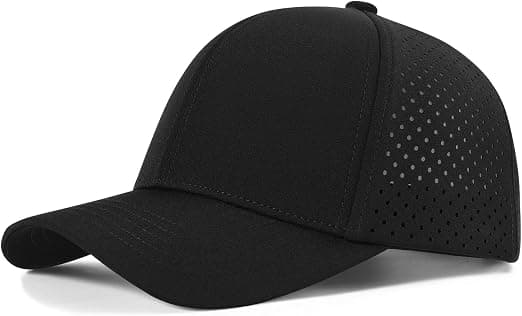
- Front of house: polo shirts, aprons over a branded tee, caps for counter service.
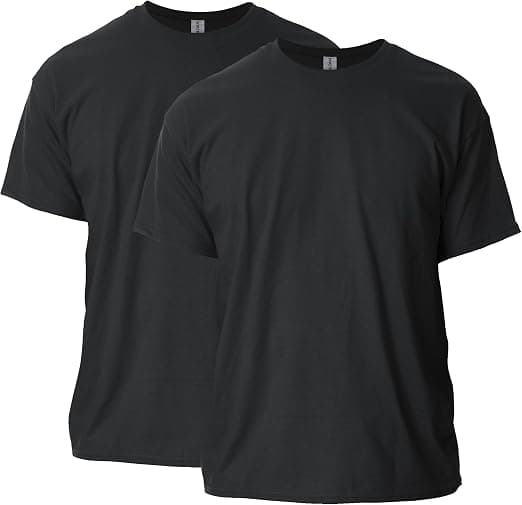
- Back of house: heavier tees, darker colours, decoration kept away from high-friction areas.
- Both: one shared logo treatment so the two halves read as one restaurant.
Because the 50-piece minimum counts per design, a distinct front and back version are two orders unless the artwork matches. Many restaurants keep the same print and change only the garment colour, which keeps one design across the whole site. The guide to staff uniforms for restaurants and cafes works through the combinations.
How do you test a supplier before the full order?
Buy the sample. Ours is £150 and it is credited against the bulk order, so the only real cost is the fortnight it takes to arrive and be assessed. Wash it the way your kitchen washes things, at the temperature your laundry actually uses, and look at the print edge and the seam after five cycles rather than one.
A sample also tests the supplier, not only the garment. Note how long the quote took, whether the artwork proof came back with questions, and whether anyone flagged a problem with your file. Suppliers who raise issues before production are the ones who will raise them during it.
What should be settled before the first order goes in?
The garment, the colour, the decoration method per position and the size split, all written down in one place. Restaurants often run this through a manager who is also running services, so the list needs to be short enough to finish in one sitting. Vector artwork and a colour reference are the two items most often missing when the clock is already running.
Decide who approves the proof as well. Hospitality businesses are rarely at a desk, and a proof waiting for an owner to read an email over a weekend adds days to a 10-15 working day build that had no slack in it. One nominated approver with a phone is worth more than any expediting.