What Sports Clubs Pay for Branded Clothing
By The Velocity Wear Team
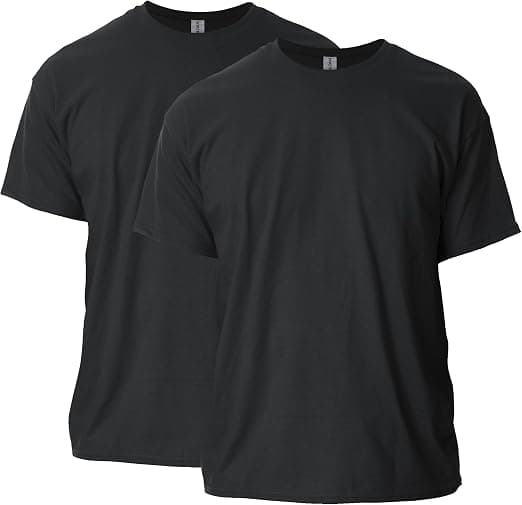
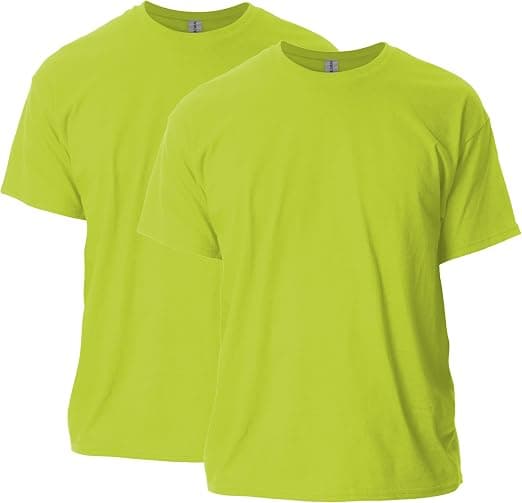
Club kit starts at $13 per t-shirt, $12 per cap, $18 per polo, $31 per hoodie and $53 per tracksuit set of hooded top and matching jogger, all at the 50-piece minimum. Bottles and towels are quoted per job. As the order grows the per-piece rate falls by up to 35% from that starting figure.
What does club kit cost a member?
Most committees work out a member price rather than a club price, because the order is usually part-funded by the people wearing it. A tracksuit set at $53 is the headline item and the one that needs explaining to parents; a tee at $13 and a cap at $12 are the pieces that get bought without much thought.
Clubs that add a small margin on top to fund the subsidised items find the whole order easier to run. What matters is that the figure quoted to members is the figure they pay, because collecting a shortfall afterwards is the part that goes wrong. Our sports clubs page lists the garments we produce for squads.
How do sponsor logos change the print price?
Each additional logo is another decoration position with its own setup, not a multiplier on the garment price. A club crest on the chest and a sponsor on the back is two positions; adding a second sponsor to the sleeve is a third. The setup is spread across the run, so the effect per garment falls sharply as quantity rises.
Where cost does climb is stitch count on embroidery. A detailed crest with fine lettering stitches far more thread than a simple badge, and that difference is per garment rather than per order. How embroidery stitch count affects cost explains where the threshold sits.
Does squad numbering add to every piece?
Numbering and names are applied individually, so they are per-garment work rather than a one-off setup. That is the opposite of how a club crest behaves, and it is why a fifty-piece numbered order does not benefit from scale in the same way as a plain one. Clubs often number only the playing kit and leave training wear unnumbered for exactly this reason.
It also affects reordering. A numbered garment is specific to one player, so a mid-season replacement is a single item that no production run can make. Plan the spares in plain kit and the numbering separately.
Which quantity tier should a club aim for?
The bands are 50-99, 100-249, 250-499, 500-999 and 1,000 plus, measured per design. A club with a senior and a junior section, or several teams in the same colours, can often combine into one run and land two tiers higher than any single team would reach alone.
- Combine teams on a shared design rather than ordering per team.
- Order a full season in one run instead of two half-season runs.
- Put the surplus into club stock rather than leaving the tier unclaimed.
The same logic applies to a hoodie run shared across sections, which is worked through in club hoodies for UK sports clubs. Tier details are on the wholesale overview.
What does adding a second garment cost a club?
A second garment is a second design with its own fifty-piece floor, so the honest answer is that it costs another full run rather than a marginal amount. A club adding a cap at $12 alongside a hoodie at $31 is committing to fifty caps, and caps are only worth it if the club will genuinely distribute that many.
Where a second item earns its place is when it serves a different group. A training tee for players and a crested polo for coaches and committee reach their own fifties from different audiences, so neither depends on the other. Adding an item that competes for the same buyers as the first is what leaves boxes in the clubhouse a year later.