
Sizing a Clothing Order for Trades
By The Velocity Wear Team
Sizes mix freely inside the 50-piece minimum, so the split costs nothing and is worth getting right. A site crew usually needs a curve weighted toward large and extra large, with outer layers ordered a size up because they go over a hoodie or a fleece. Collect actual sizes from the crew rather than guessing from a retail distribution.
What size split works for a site crew?
The default retail curve, heavy in medium, is wrong for most trades firms. Site crews trend larger, and the garments are worn loose rather than fitted. If you have no data at all, weight the run toward large and extra large and keep a genuine tail of both smaller and larger sizes rather than cutting the ends off.
Where you do have data, use it. A firm that has issued kit before knows its own curve better than any published table, and last year's issue sheet is the best single source. The construction and trades page lists the garments and the ranges they come in.
How does layering change the sizes you order?
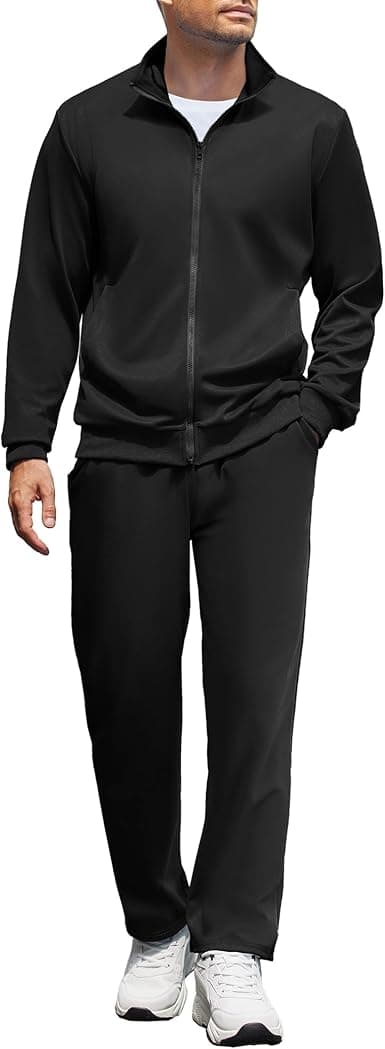
A base tee and an outer hoodie should not be ordered on the same curve. The hoodie goes over the tee, often over a fleece too in winter, so the outer layer wants a size of headroom. Ordering both to the same list is the quickest way to end up with jackets nobody can zip in January.
The practical rule is to shift the outer layer one step up across the whole run rather than adjusting individuals. It keeps the paperwork simple and it matches how site clothing is actually worn. Apparel sizing and fit goes further into how cut affects the same nominal size.
How do you avoid a box of unworn smalls?
Order to the crew you have, plus a deliberate spare allocation, and nothing more. The spares are the part worth planning: a fifth of the run held back covers new starters and replacements for the year, and that stock is the reason a sensible curve matters more than an exact one.
- Circulate a size list before the order and give a deadline, not an open request.
- Record the size issued against each name so the next run starts from real data.
- Keep spares in the sizes you issued most, not one of each.
Unworn stock is rarely a sizing failure on its own. It is usually the result of ordering one of everything to be safe, which produces exactly the outcome it was meant to prevent. Since the floor is per design, that safety margin is better spent on depth, as covered in minimum orders explained for trades.
Do men and women on the crew need separate runs?
If you order a unisex cut, no. A separate women's cut is a different garment, so it carries its own 50-piece minimum and its own artwork setup, which is a real commitment for a small firm. Many trades firms run unisex across the crew and use the size range to handle the difference. Sizing questions on a wider order are set out on the wholesale overview.
How do you handle a crew that changes often?
Firms using subcontractors or seasonal labour cannot order to a fixed list, because the list is different every month. The workable approach is to order to the maximum crew size rather than the current one, and to treat the branded kit as equipment issued and returned rather than as a gift. That changes the quantity you need considerably.
It also changes the size strategy. A rotating crew needs breadth across the middle of the range rather than depth in two sizes, because you are fitting whoever turns up rather than a known group. Keep the issue log anyway: even with turnover, a year of records shows which sizes the work actually attracts, and the second order is far more accurate for it.

