Minimum Orders Explained for Trades
By The Velocity Wear Team
Fifty pieces is the floor, and it is counted per design rather than per invoice. Sizes mix freely inside those fifty, so a crew needing eight XL and four small is no harder to produce than fifty of one size. What splits an order in two is a second design, or a colourway that needs its own screens.
How does the 50-piece minimum count for a trades order?
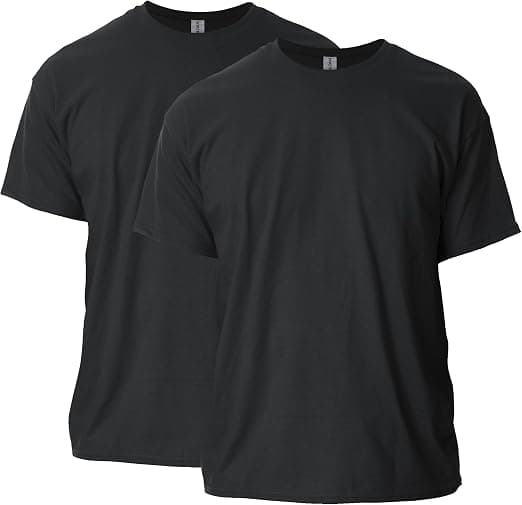
Think of a design as one artwork on one garment in one base colour. Fifty navy tees with the company logo on the chest is one design and clears the floor on its own. The sizes inside that fifty are yours to choose: heavy on large and extra large if that matches your crew, with a handful of smalls for anyone the standard curve misses.
Nothing about the split changes the price per piece. A common worry on a first order is that an unusual size mix will attract a surcharge, and it does not. Our trades and construction page lists the garments we run at this floor.
Does a second colourway double the minimum?
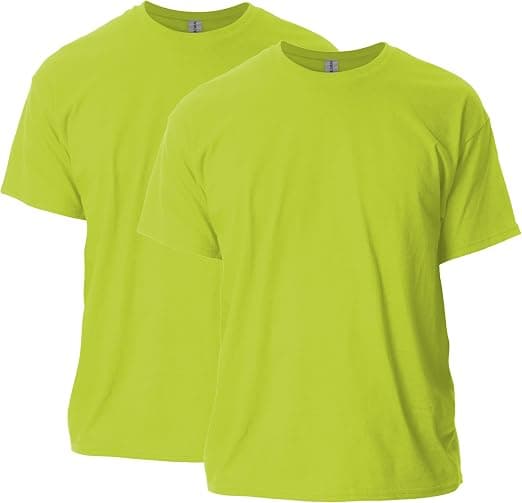
It depends on whether the second colour needs its own screens. Printing a white logo onto navy and onto black usually shares the same screen, so those can sit inside one run. Printing a dark logo onto a light garment and a light logo onto a dark one is two artworks, and that is two fifties.
Embroidery behaves differently again. One digitised file stitches onto any base colour, so a firm running an embroidered chest logo has more freedom to spread colours across a single design. If you are deciding between methods on this basis, the wholesale decoration options list what each one can and cannot share.
How do small firms reach fifty without dead stock?
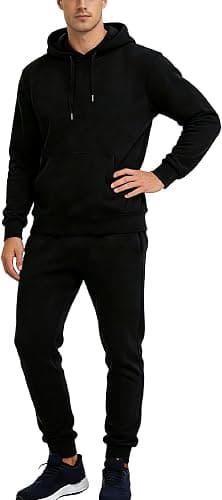
A ten-person outfit does not need ten garments each. The route that works is depth on one item rather than one of everything: fifty tees covers a crew for a year with spares, where fifty split across tees, polos and hoodies does not clear the floor on any of them.
- Pick the layer that gets worn and washed most, and order that first.
- Hold roughly a fifth of the run back for new starters rather than issuing everything on day one.
- Keep the artwork unchanged so the next run is a repeat rather than a new design.
Subcontractors and second sites are the other way over the line. Firms that work alongside the same two or three partners regularly often combine into one order with a shared garment and a different chest logo, though that second logo is a separate design. The broader mechanics are covered in minimum order quantities explained.
What does the floor mean for the price you pay?
The 50-piece rate is the highest per-piece figure you will see, because every tier above it discounts from that starting point, as far as 35% at the largest volumes. Ordering exactly fifty is the highest rate per garment and the smallest total outlay, which is the trade-off every first order makes. The per-item figures are broken down in what trades pay for branded clothing.
How does the minimum affect trying a new garment?
It makes trials expensive, so do not run them at production scale. If a firm is unsure whether a heavier polo is worth the money, the route is a single sample rather than a speculative fifty. That keeps the decision cheap and reversible, and it is the reason the sample exists as a separate step rather than a formality.
Once the garment is settled, commit properly. Splitting a year across two half-sized runs of a design you are confident in wastes the tier discount and doubles the administration, for no reduction in risk. The risk was resolved at the sample stage, and the order afterwards should reflect that rather than hedging a decision that has already been made.