Offices: the New Year Rush Order Deadlines
By The Velocity Wear Team
Kit for a January intake should be ordered in November. Production runs 10 to 15 working days from artwork approval, transit follows, and the festive period removes a fortnight of usable days from the middle of the schedule. A November order lands the boxes before the office closes, which is far safer than relying on a delivery in the first week of January.
Why does January kit need a November order?
Because the calendar between the two is mostly closed. A December order sits in a window where your own approvers are away, our production days are fewer and couriers are at their slowest. November removes all three problems at once. What offices buy for an intake is set out on the corporate clothing page, with structure and tiers on the wholesale page.
There is a practical reason too: the boxes need somewhere to arrive. Delivering into an office that shuts for ten days risks a parcel sitting in a courier depot. Taking delivery in early December, while the building is still occupied, solves it.
What does the count-back look like from the first week of January?
Set the target as kit on site by mid-December, not by the intake date. That single adjustment absorbs every festive risk in the schedule.
- 1Target: boxes received while the office is still open in December.
- 2Minus five to seven days for transit at peak courier volumes.
- 3Minus 10 to 15 working days for the build from artwork approval.
- 4Minus a week for logo files, size collection and internal sign-off.
- 5That puts the enquiry in the first half of November.
If a sample is part of the plan, add a fortnight and start in late October instead. The same arithmetic applied to a normal start date appears in our guide to lead times offices should plan for.
What should a January intake actually include?
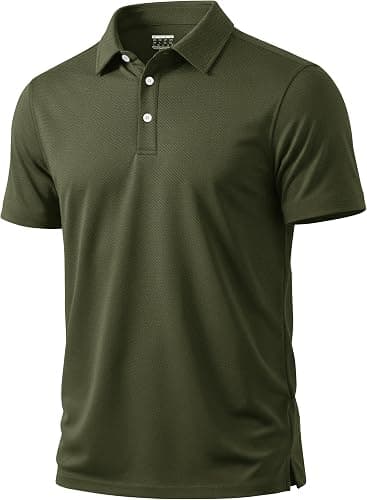
Resist the urge to kit out everyone in everything. An intake pack works best as one or two pieces people genuinely wear, plus a spare in the right size. A polo or a hoodie in the company colour, correctly sized, gets worn; a five-piece bundle mostly gets stored.
- One core garment sized per person, chosen to suit the dress code rather than the budget.
- A small buffer in medium and large for anyone hired between planned orders.
- Optional second piece for client-facing staff, treated as a separate design and therefore a separate 50.
- Care information kept with the garment, especially if the neck label has been replaced with your own.
How do you avoid ordering twice in six weeks?
Combine the January intake with whatever else the business needs in the first quarter and order it once. Two runs six weeks apart cost more per piece, double the administration and introduce a dye lot difference between colleagues sitting next to each other.
The discount tiers reward this directly. Pricing steps at 50, 100, 250, 500 and 1,000 pieces, reaching as much as 35% off the 50-piece rate at the top. An office that orders 90 in November and 80 in February pays the lower tier twice; ordering 170 once moves it up a step. Sizing that single run against expected hiring is the one piece of arithmetic worth doing carefully before November.
For businesses running kit across several sites or several teams, the same logic scales further. There is a wider treatment of that in our piece on building a corporate apparel program, which deals with how to keep a multi-team programme coherent once more than one person is placing orders.
Settle the design in October even if the order itself goes in during November. Artwork is the part of the process that runs on other people's calendars, and chasing a logo file or a colour decision through the last week of November is how a comfortable schedule turns tight. Everything after approval is measurable; everything before it depends on how quickly your own building answers.