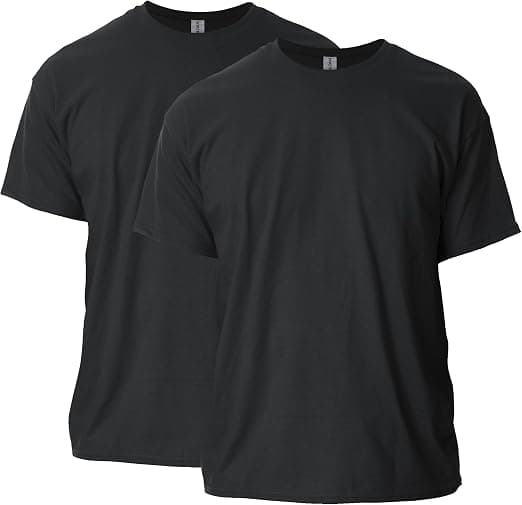
Branding Options for Restaurants
By The Velocity Wear Team
A venue can specify a custom woven neck label, a tear-out label, printed swing tags and branded packaging alongside the decoration on the garment. For uniform that stays venue property, the woven label is the one worth having. Tags and packaging only pay for themselves where the garment is being sold to a guest rather than issued to staff.
Which branding options work on hospitality uniform?
Start with what the garment is for. Shirts issued to staff and returned when they leave benefit from a woven neck label, because it marks the piece as venue kit and looks deliberate when someone rolls a sleeve. Merchandise sold at the counter benefits from a swing tag, because it turns a folded shirt into something a guest will pay for.
Both can sit on the same garment if the same design does both jobs, which is common in venues that sell staff-style tees to regulars.
Decide it at the same time as the print, because all of it is specified before production rather than added later. A venue that settles the chest logo in one conversation and the neck label in another, three weeks afterwards, has usually missed the window to have both on the same run.
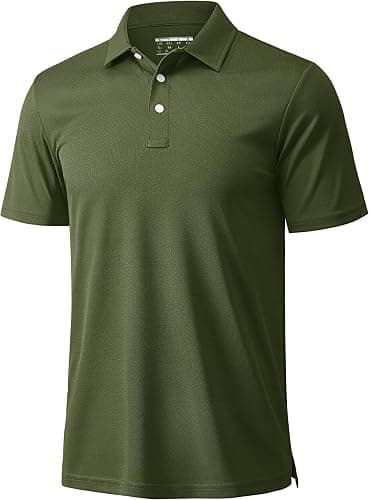
Does a tear-out label suit a shirt worn every shift?
It can, and for a hot kitchen it is often the better choice. A stitched label at the back neck sits against skin all evening, and in a warm room that is the first thing a chef complains about. A tear-out lets the wearer remove it without damaging the garment, and the branding has already done its job at the point of issue.
For front of house, where the shirt is worn over a shorter shift in a cooler room, a stitched woven label is fine and lasts the life of the garment. The decoration options either side of the label are compared in appliqué, patches and woven labels.
What do swing tags do for a venue that sells merch?
They set a price and a context. A tee on a shelf with no tag reads as laundry; the same tee with a printed tag reads as stock, and guests treat it accordingly. Tags also carry the venue story in a line or two, which is the part of the sale nobody is available to make at the till on a busy night.
If merch is a real revenue line rather than an afterthought, the packaging matters as much as the tag. The full picture is in branding beyond the print.
How does uniform arrive for distribution across shifts?
Individually bagged and packed by size, which is what you want when a manager is issuing kit between services rather than doing a full inventory. Ask for cartons split by size if the order is going to more than one site, and say so at order stage rather than after the run is packed.
Labelling and packaging are quoted with the job rather than carried in the per-piece price, and the cost per garment falls as the run grows in the same way the garment price does. See the restaurants and hospitality page for the lines we build, and the wholesale range for where each one starts.
One detail worth specifying: keep the retail-facing pieces separate from the staff issue in the packing, even when they are the same design. Merchandise wants to arrive shelf-ready with tags attached, while staff kit wants to arrive sorted by size for a manager to hand out. Mixing the two means someone spends an evening undoing the packing before either job can happen.