Minimum Orders Explained for Offices
By The Velocity Wear Team
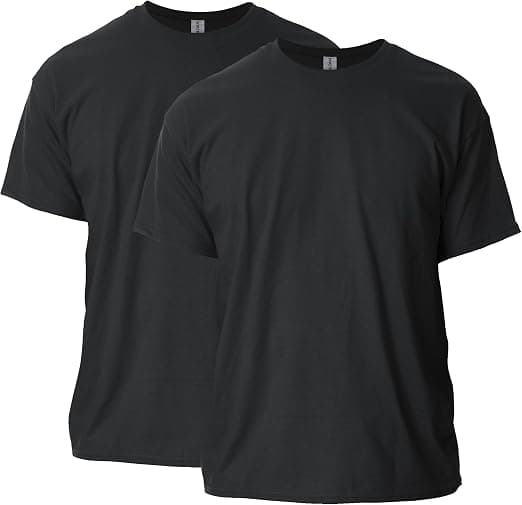
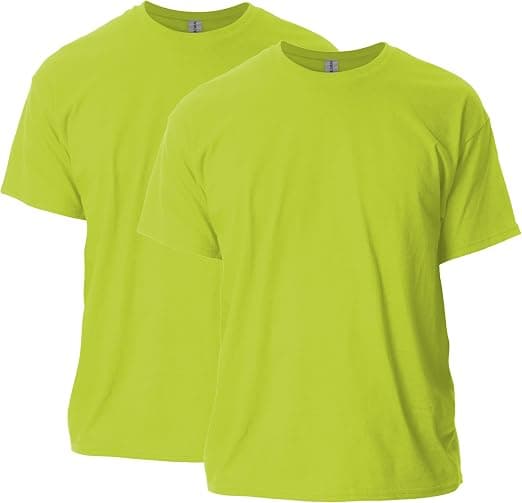
Fifty pieces per design is the floor, with sizes mixed freely inside it. For an office smaller than fifty people that is not a barrier, it is a stock plan: order the headcount plus a year of new starters and the surplus covers itself. What does split an order is a second design, or a logo colourway needing its own screens.
How does fifty pieces work for a small office?
Count the people, then count the year. A firm of thirty-five that hires ten people annually needs forty-five garments over twelve months, and fifty is barely above that. The surplus is not waste, it is the buffer that stops you placing a second order for three shirts, which is not something a production run can do.
Sizes inside those fifty are entirely yours to choose, at the same per-piece price whatever the split. Order to the curve of the people you have, with depth in the sizes you actually issue rather than one of everything. The corporate and offices page lists the garments we run for internal programmes.
Do two logo colourways count separately?
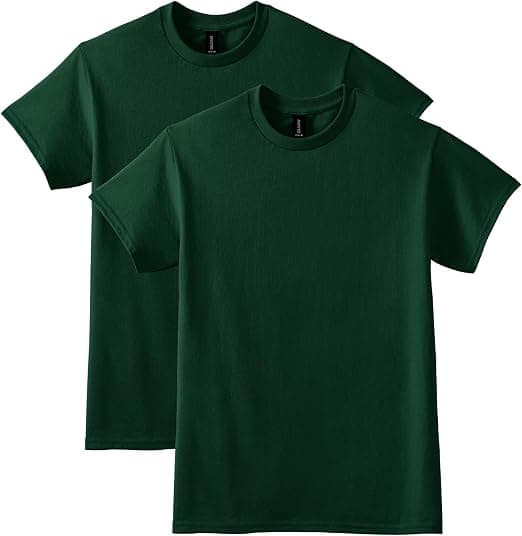
If each needs its own screens, yes. A white logo on navy and on black usually shares one screen and can sit inside one run. A dark logo on a light garment plus a light logo on a dark one is two artworks and therefore two fifties, which is a common surprise for an office wanting a light and a dark option.
Embroidery avoids the problem. One digitised file stitches onto any base colour, so an office running an embroidered chest logo has more colour freedom inside a single design than one running a print. Worth deciding before the method is chosen. The full method list is on the wholesale overview.
How do you cover new starters inside one order?
Build the starter allocation into the original run and store it. A reorder is another fifty pieces and another 10-15 working day build from artwork approval, so it cannot serve a single person joining on Monday. The cupboard is the mechanism, and the floor is what makes the cupboard necessary.
- Order headcount plus twelve months of expected hires.
- Weight the spares toward the sizes you issue most, not evenly.
- Record what was issued so the next run starts from real data.
Ordering deeper also improves the tier, where the discount reaches up to 35% from the 50-piece rate. The per-item figures are broken down in what offices pay for branded clothing.
Does a bigger order cost proportionally more?
No, and that is the point of the tiers. The bands run 50-99, 100-249, 250-499, 500-999 and 1,000 plus, measured per design, so doubling the quantity never doubles the invoice. The setup for artwork and screens is the same at fifty as at five hundred, and spreading it across more garments is where the saving comes from. The general mechanics are covered in minimum order quantities explained.
How should an office choose its first garment?
By asking what people would wear without being told to. A garment that has to be enforced sits in drawers, and fifty of those is a visible waste that makes the next proposal harder to get approved. A garment people put on voluntarily does the branding job far better and costs exactly the same to produce.
In practice that usually points at the more casual end for internal teams and at a polo or a corporate shirt for client-facing roles. Pick the group that is larger and start there, because reaching fifty on one design is easier than reaching it on two. The second garment can follow once the first has proved which fit and colour the office actually likes.