Restocking Branded Kit for Trades
By The Velocity Wear Team
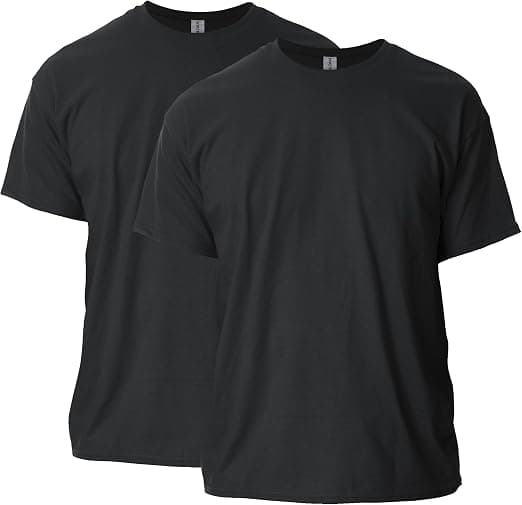
A repeat run is still fifty pieces of the design, but the artwork, screens and colour references are already held, so the order starts faster than the first one. The 10-15 working day build is unchanged. What a trades firm should plan is the trigger point: reorder when stock hits roughly a quarter of the original run, not when it runs out.
When should a trades firm place the repeat order?
Work backwards from the wait. Three weeks between placing and receiving means you need three weeks of cover in the cupboard at the moment you order. For most crews that is a handful of tees and a couple of outer layers, and it is far less than the amount people instinctively hold.
The cleaner version is a fixed date. Firms with seasonal work often reorder at the same point every year, which turns a reactive scramble into a diary entry. The trades and construction page lists the items most firms repeat.
Will the second run match the first on colour?
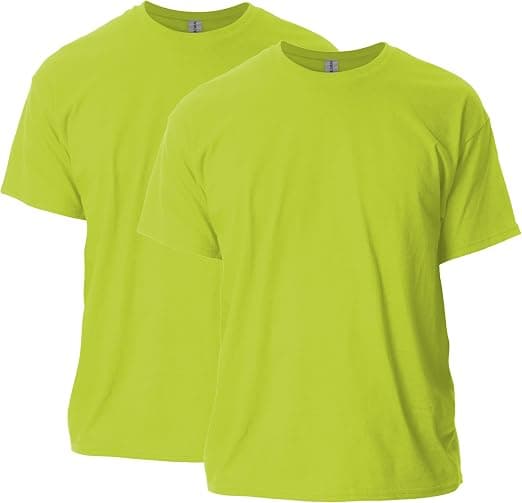
Close, and close is what a mixed cupboard needs. Fabric is dyed in batches, so two runs made months apart can sit slightly apart under strong light even when the reference is identical. On navy and black this is invisible in practice; on mid greys and brighter colours it is occasionally noticeable side by side.
If an exact match matters, the way to guarantee it is to order the whole quantity in one run and store the surplus. That also lands you in a better discount tier, as far as 35% off the 50-piece rate at the largest volumes. Can I reorder the same design later covers what is retained between runs.
Does a reorder still need fifty pieces?
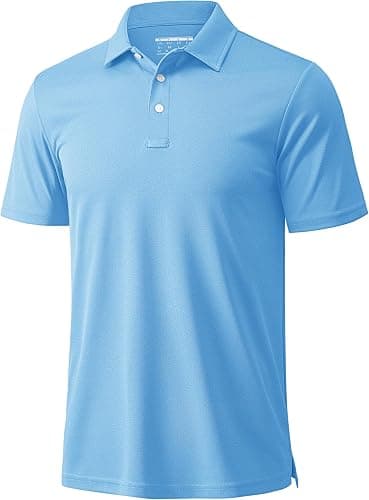
Yes. The production floor does not move for repeats, so topping up eight polos is not something a factory run can do. This is the single most useful thing to know before the first order, because it changes how much you buy the first time round.
The practical answer is to treat the first order as a year of supply rather than a day-one issue. Order the crew plus the replacements you expect, hold the surplus, and the reorder becomes an annual event rather than a quarterly problem. When to reorder and how much buffer to hold sets out how to size that buffer.
What should be recorded between runs?
Three things, and they fit on one page: the garment and colour ordered, the decoration method and placement, and the size split that was actually issued. With those, a repeat order is a short email. Without them, every reorder becomes a fresh specification exercise, and small drifts creep in until the crew is wearing three versions of the same shirt.
- Garment code, base colour and fabric weight.
- Decoration method, logo size and placement measurement.
- Sizes issued by name, with the spares that were left over.
We hold the artwork and production references at our end too, which is what makes the repeat quicker to start. The full range we run on repeat is on the wholesale overview.
Is it better to repeat often or to overbuy once?
Overbuying once wins on almost every measure except cash flow. One larger run means one dye batch, one setup, one wait and a position further up the discount scale, which reaches as much as 35% off the 50-piece figure at the top. Repeating often means paying the highest per-piece rate repeatedly and living with small batch variations across the crew.
The counter-argument is real but narrow. If a rebrand is likely, or the firm is about to change what it puts staff in, deep stock becomes a liability rather than a saving. Absent one of those, buy the year. Branded kit does not spoil, and a shelf of correctly specified garments is about the least costly insurance a trades firm can hold against a sudden hire.