Articles 289–336 of 439, newest first.
Tell us what you need and we reply with pricing, within 1 hour on working days.
50-piece minimum per design · Mixed sizes · We never share your details
Two suppliers means two navy blues, two invoices and two delivery dates. Here is when that is worth it and when it quietly costs you a reorder.
The minimum is 50 pieces per design. What counts as a design, where sizes fit in, and why two colours can mean two minimums.
Auditing a supplier is not a factory tour. It is a sample, a short list of awkward questions and a close read of the payment terms.
One physical garment answers the questions a screen mockup cannot. Here is what to check while you have it, and what it still will not tell you.
Deposits, invoicing and seven currencies. What to check on a bulk clothing quote before you pay, and what can still change afterwards.
Volume discounts are not generosity. They are setup cost spread over more garments. Here is where the steps sit and where the saving runs out.
Most production delays start in the artwork folder. Here is what to send, at what size, and the three files that always come back with questions.
A size curve is just how your order divides across sizes. Get it wrong and the leftovers are always the same two sizes. Here is how to plan it.
Reorders drift. Dye lots move, inks are remixed and the new stock no longer matches the old. Here is how to keep a repeat run consistent.
The best-selling merch item is almost always boring. Here is how to pick a range by what sells through instead of what sounds exciting.
Staff kit stops being a headache when it becomes a programme. Sizing records, a starter buffer and one planned reorder a year.
Most first drops are too wide and too shallow. Here is a sensible shape for a first release and the calendar that gets it out on time.
Private label is the difference between a printed blank and a product with your name inside it. Here is what the change involves.
Production is the predictable part of a European delivery. Transit, paperwork and import charges are where the dates move.
A US delivery is a production window plus a transit window plus a receiving problem. Here is how to plan each of the three.
Stock does not just sit there. Damp, light and bad folding quietly turn sellable garments into seconds. Here is how to store a bulk run properly.
Unsold merch is money already spent. These are the routes that recover some of it, and the ordering change that stops it happening again.
Made in USA is a powerful story. Overseas production is often cheaper. The right answer depends on your product, margins and minimums.
A branded towel can be a product in its own right. For wellness and lifestyle brands, it's often an easy first step into home goods.
Most t-shirt manufacturers say yes to everything on the first call. These questions show you what yes actually means.
Made in Britain sounds great. Overseas production sounds cheaper. The real picture is more nuanced than either, and it depends on your brand.
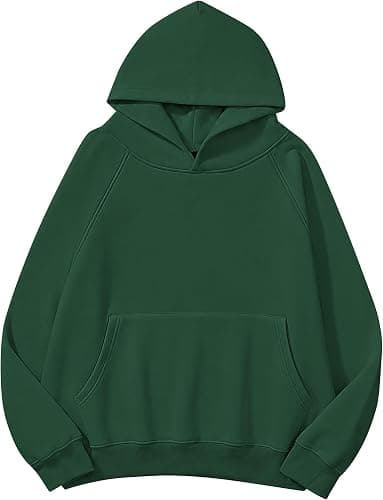
A good hoodie manufacturer answers these questions clearly and in writing. A vague answer to any of them is worth noticing.
Stock blank hoodies are popular for good reasons. They're also everywhere, which is exactly the problem for some buyers and no problem at all for others.
Buying wholesale hoodies is easy. Buying the right wholesale hoodies for a brand you're trying to grow takes a few more questions.
The expensive mistake already happened at the order stage. What is left is damage limitation — and some options are much better than discounting into oblivion.
The argument against a second supplier is always price. The argument for one arrives all at once, on a day you did not choose.
Air freight is not a shipping option. It is the price of a decision made three weeks too late.
Your manufacturer can make 50 garments. The mill cannot dye 50 garments’ worth of fabric — and that gap is the whole reason custom colour has a price.
You negotiated 4% off the unit price and the exchange rate moved 6% before you paid. The negotiation was the smaller number.
The sample was made carefully by one person. The bulk was made at speed by a line. Closing that gap is a specification problem, not a goodwill problem.
The factory is not slower in October. It is full — and full is a different problem from slow, because you cannot fix it by paying more.
Most buyers ask about price and lead time. The questions that predict whether the relationship works are about what happens when an order goes wrong.
Raw material prices move fast and garment prices move slowly, which means the increase reaches you months after the news does — usually just as you assumed it had passed.
Retailers are not buying your product, they are buying your reliability. That is a different sales conversation from the one you have with consumers.
A 3XL is not a medium multiplied. Bodies do not scale uniformly, and grading that pretends they do produces garments nobody at either extreme wants to wear.
The window for raising a fault is short and it starts when the boxes arrive. Finding a problem three months later is finding it too late.
Labelling is the compliance detail most first-time brands discover after production, which is the most expensive moment to discover it.
Fabric is usually the largest single component, which is why the cheapest way to reduce cost is rarely to negotiate and often to change the specification.
Profitable and out of money is the normal failure mode in apparel, because the cash leaves months before it comes back.
You do not reorder when you are nearly out. You reorder when the stock remaining equals what you will sell before the new stock arrives.
Every stage has a different correct answer, and the mistake is carrying the answer that worked at 50 pieces into an order ten times the size.
None of these are unusual. They are what a first order looks like when nobody warned you, which is why they are worth listing.
Manufacturers do better work for customers who brief clearly and decide quickly. Both are learnable, and neither requires industry experience.
Alberta is the only province where your price tag and your checkout total are nearly the same number. That is worth more to a small brand than it sounds.
Almost everything about a garment can be shared across the three markets. The label is where they diverge, and the label is made during production.
The expensive mistake in apparel is rarely the total quantity. It is ordering the right total in the wrong sizes, and no model fixes that from three months of data.
Two quotes, one 15% cheaper per piece, and the expensive one is the one that arrives cheaper. Landed cost is the only comparison that means anything.
You cannot forecast tariff policy. You can know which of your costs it touches, how fast it reaches you, and which contract terms decide who absorbs it.