Planning a First Clothing Drop
By The Velocity Wear Team
A first drop should be narrow and deep: two or three styles, ordered in enough depth that the sizes people want are still there in week two. Each style is its own run of 50 pieces minimum, so a five-piece range is 250 garments before you have sold anything. The calendar matters as much as the range — count backwards from the launch date, not forwards from today.
How many styles should a first drop have?
Two or three. The instinct is to launch with a full range because it looks like a real brand, and it is the most reliable way to tie up your budget in stock. Every style carries its own minimum, its own setup and its own size risk. Two styles ordered properly will sell out and give you a restock story; six styles ordered thinly will leave you with the wrong sizes in all six and no money to reorder any of them. The industry detail for brands starting out is on the clothing brands page.
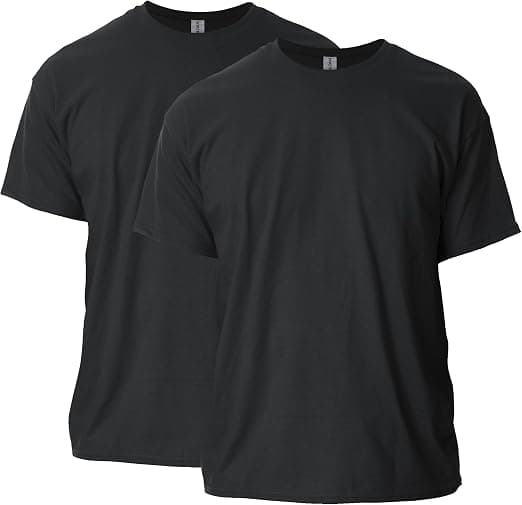
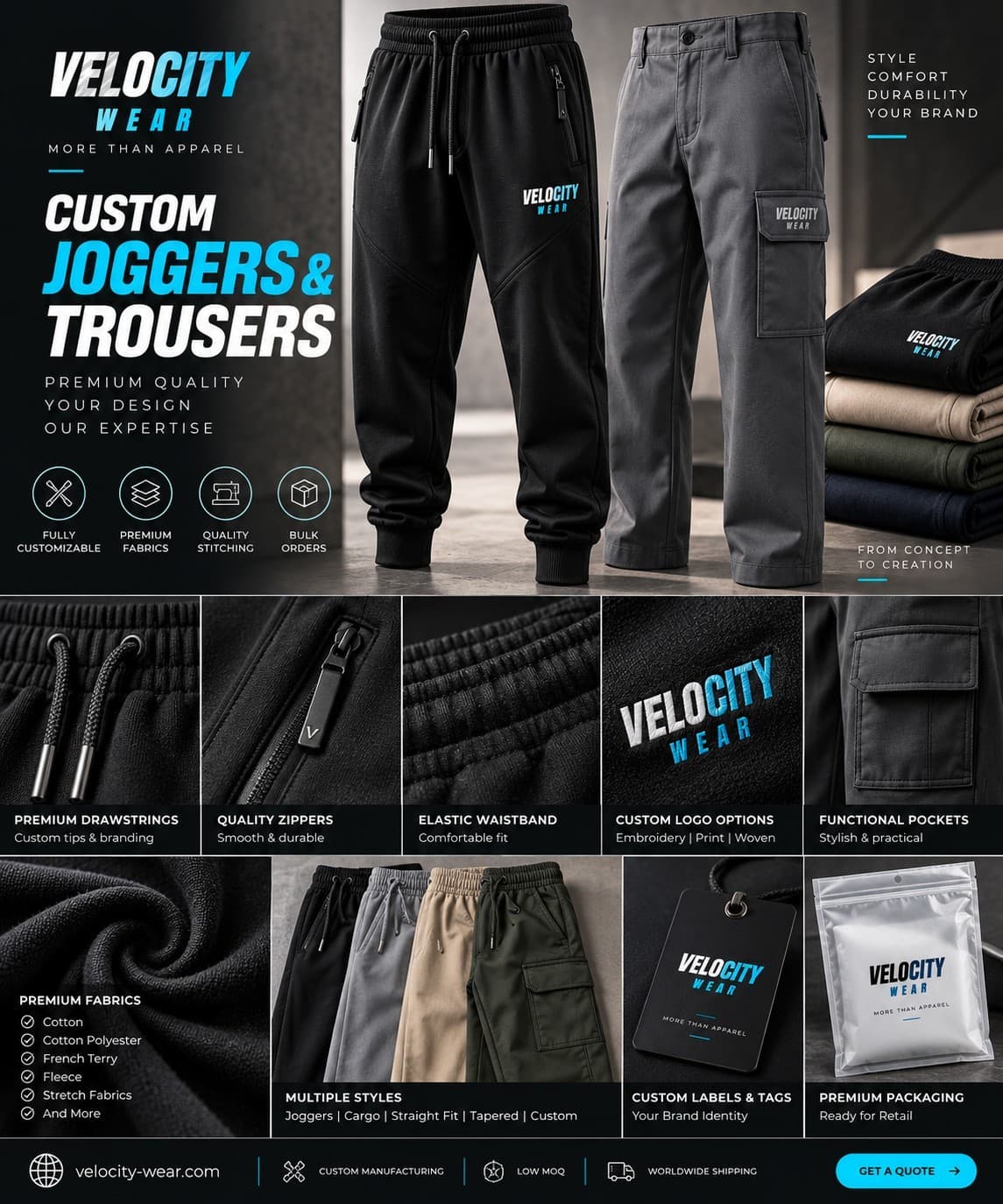
Pick styles at different price points rather than variations of one thing. Something accessible, something with a higher ticket, and if there is a third, an accessory. A t-shirt starts at $13 a piece at the minimum and a hoodie at $31, which gives a natural spread without needing a wide range.
What quantity per style is sensible?
Start at the minimum unless you have real evidence of demand — a waiting list, a mailing list that opens your emails, a pre-order. Fifty pieces of one design is a small enough commitment that a slow drop is survivable, and it is the number the pricing is built around. If you do have evidence, ordering into the next tier is often the better call, because the per-piece price falls as quantity rises, up to 35% off the 50-piece figure. Just remember that depth is only useful if the sizes are right, since leftovers cluster at the ends of the range. Being clear on what the minimum does and does not cover is worth five minutes: merch people actually wear covers the sell-through side of the same decision.
How far ahead does the calendar need to start?
Further than most first-time brands allow. Work backwards: the launch date, then transit, then 10 to 15 working days of production, then artwork approval, then the sample round, then the decision about fabric and fit. The sample stage is the part people forget, and it is the part you should not compress — a garment you have worn and washed is the only thing that stops a whole run being wrong. Add a buffer for one revision, because there is almost always one. The range and starting prices are on the wholesale page.
Build your marketing calendar to the confirmed dispatch date rather than to a hoped-for one. Announcing a drop and then moving it costs more attention than launching a fortnight later would have done.
What should a first drop leave out?
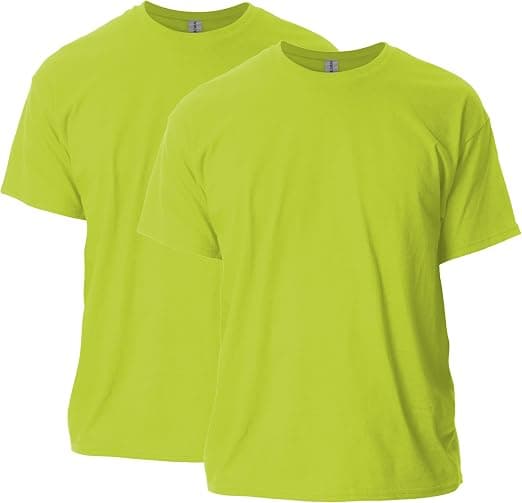
Anything that adds a decision without adding a sale. Multiple colourways, for a start — each colourway that needs its own setup is a separate 50-piece run, so three colours of one hoodie is 150 garments of a single style. Leave out the complicated decoration too; a four-colour print costs more in setup than a two-colour version and the difference is rarely visible on the shelf. What is worth including from the beginning is the branding inside the garment, because a woven neck label and a swing tag change how the product is perceived at a fraction of the cost of another style, and private label explains what that involves.