Merch People Actually Wear
By The Velocity Wear Team
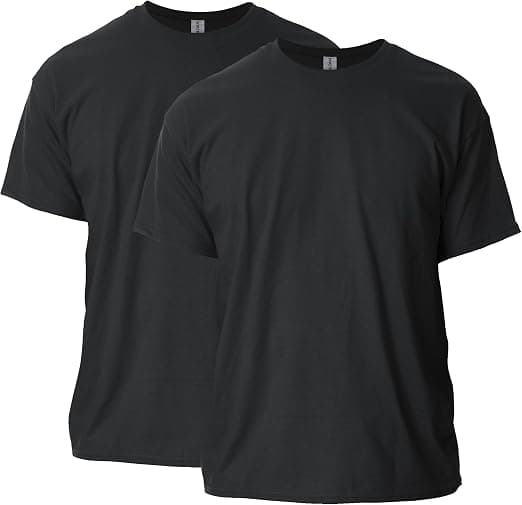
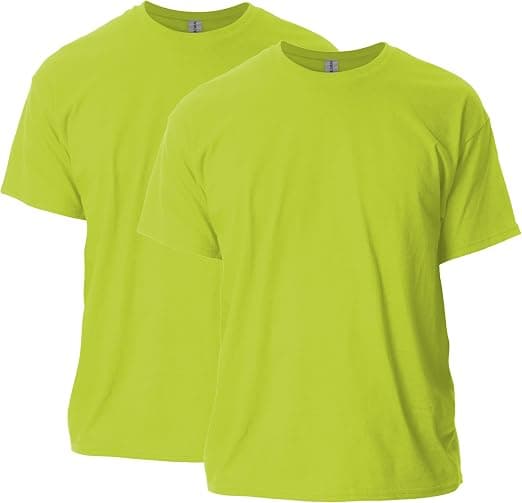
The merchandise that sells is the merchandise people would wear without the logo. That is the whole rule. A well-cut t-shirt in a colour someone already owns nothing of will outsell a clever novelty item every time, because the novelty gets bought once as a joke and the t-shirt gets worn. Build the range around two or three pieces people use, and judge it on sell-through rather than on the number of lines.
Which pieces sell through fastest?
T-shirts, hoodies and caps, more or less in that order, and the reason is price and usefulness rather than design. A t-shirt starts at $13 a piece at the 50-piece minimum and a cap at $12, so both can be priced at an impulse level for the buyer. A hoodie starts at $31 and sells in smaller numbers at a much higher margin, which is why it usually earns more in total than the shirt does. Caps have a quiet advantage nobody plans for: one size fits most, so there is no size curve to get wrong and no dead stock at the ends. The full range and the starting prices are on the wholesale page.
Below that tier, the pieces that move are the ones with a use. Towels, bottles and bags are quoted per job rather than carrying a published starting price, and they sell where the context fits — a gym, a festival, a race — and sit unsold where it does not.
Does a bigger range sell more?
No, and this is where most first merch lines go wrong. Every extra design is a separate run of 50 pieces, which means the same total budget spread across more lines, less depth in each, and more of it unsold. Three products with the sizes properly covered beats eight products where the popular size ran out in a week. A wide range also makes the stall or the online store harder to shop, because a buyer who has to choose between eight things often chooses none. Bands in particular get pushed towards breadth, and the bands and music page sets out what a working merch line usually contains.
How does the price per piece shape the range?
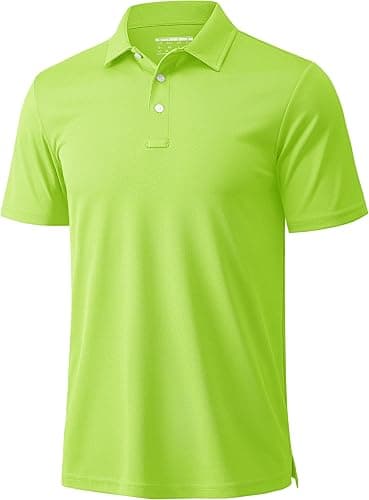
It sets the shape of your line, not just the margin. A cheap piece brings volume and gets the name into circulation; an expensive piece carries the revenue. You want both, and you want to know which is which before you order rather than discovering it from the takings. Run the arithmetic per product: cost at the tier you will actually order, your selling price, and an honest estimate of how many will move. If a design only breaks even once almost every piece has sold, it does not work. The per-piece cost falls by up to 35% against the 50-piece figure as volume rises, so depth on a proven design is cheaper per unit than breadth across unproven ones.
What quietly kills a merch line?
Designs that only make sense this month. A tour date, a year, an event name, an inside reference — all of them date the garment and turn the remainder into stock you cannot sell next season. Put the dated element on one line if you want it and keep the rest evergreen. The other killer is a logo printed so large that the garment becomes a uniform: people wear a small chest mark in public far more often than a billboard across the back, and worn merchandise is the only merchandise that does any marketing for you. If you are planning the first run rather than a repeat, planning a first clothing drop covers the quantities, and what to do with unsold merch is worth reading before you over-order.