Fabric Minimums: Why a Custom Colour Costs More Than You Expect
By The Velocity Wear Team
People are often surprised that a manufacturer with a 20-piece minimum will not produce those 20 pieces in any colour requested. The reason is that there are two minimums in play, they sit at different points in the chain, and only one of them is the garment maker’s to set.
Two different minimums
The garment minimum is about cutting and sewing: setup, marker making, machine time, first-article checks. That is what a low minimum addresses, and 20 pieces per design is genuinely workable.
The fabric minimum is about dyeing. A dye lot is a batch process — a machine is loaded, chemistry is mixed, the bath is heated and held, then rinsed. That cycle costs roughly the same for a small load as a large one, so mills set minimum lot sizes measured in hundreds of kilograms. Twenty hoodies is a fraction of that.
What this means in practice
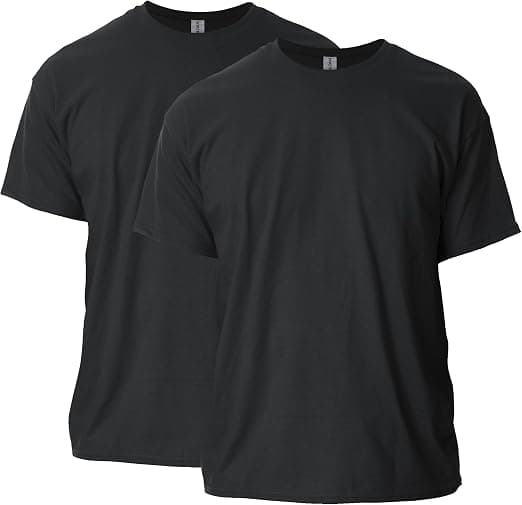
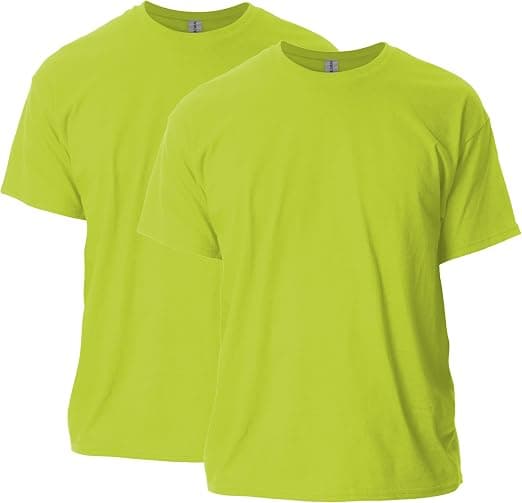
- **Stock colours are available at any quantity,** because the fabric is already dyed and held. This is why low minimums and stock colours go together.
- **Custom colours need a dye lot,** so either you pay for the minimum lot or you wait to share one, which you cannot schedule.
- **The excess is real fabric.** Dye 300kg to make 20 hoodies and someone is holding the remainder. That cost sits somewhere, and it will be in your quote.
- **Small custom-colour runs are therefore expensive per piece,** not because anyone is being difficult but because of how dyeing works.
Where custom colour becomes reasonable
When your order consumes a meaningful share of a dye lot. That is roughly where our 250-piece tier sits, which is also where lab dips start to be worth the time — at that volume the fabric cost per garment stops being dominated by the minimum.
Below that, the honest advice is to work from stock colours. The range available is wide, the cost is lower, the lead time is shorter, and the colour consistency between runs is better because you are drawing from continuous production rather than a one-off lot.
Lab dips, and why they take time
A lab dip is a small sample of your fabric dyed to your target colour for approval before the bulk lot runs. It exists because a Pantone reference is a printed ink standard and fabric is a different material — the same reference on cotton and on polyester will not look the same, and neither will look exactly like the printed chip.
Expect a round or two, and expect each to take real time. Approve them under the lighting your customers will see the garment in, not under an office light, and approve the physical dip rather than a photograph of it.
Colour consistency between runs
Even with an approved standard, separate dye lots vary slightly. For a repeat order this matters: garments from run two next to run one may not match perfectly. Ask what tolerance your manufacturer works to, and where colour matters absolutely — a team kit that must match across years — plan to buy the whole requirement from one lot.