Paying for a Bulk Clothing Order
By The Velocity Wear Team
A bulk clothing order is normally staged rather than paid in one go: a deposit that funds materials and production, then the balance before dispatch. In between sits the approval point, where you sign off a sample or a mockup. We invoice in seven currencies, so most buyers can be billed in the one their accounts already run in and avoid a conversion they did not ask for.
How is a bulk order usually staged?
The logic is simple: somebody has to buy fabric, ink and thread before a garment exists, and that spend happens before you have anything to inspect. A deposit covers it. What you should insist on is an approval gate between your money and the full run — a sample or at minimum a signed-off mockup, so that production starts from something both sides have agreed rather than from an email thread. The 10 to 15 working day production window starts at that approval, not at the deposit.
Before any of it, get the quote right. Ask for the piece price at the tier you are actually ordering rather than the headline starting figure, because those are different numbers once quantity moves. The tier structure is published on the pricing page.
Which currency should you be invoiced in?
The one your bank account holds, wherever possible. Being invoiced in a currency you do not hold means a conversion, and the rate your bank gives you on that conversion is part of your landed cost whether or not it appears on the invoice. We invoice in seven currencies and deliver to the UK, the USA and Europe, so this is usually a question of asking rather than negotiating. Fix the currency at quote stage rather than at payment stage, so that the number you approved is the number you pay.
What should the quote itemise before you pay?
Enough detail that you can trace every pound. The garment and its colour. The decoration, listed by position, because a chest print and a sleeve print are two operations. Any labelling or packaging. The quantity, and the tier that quantity is priced at. Shipping, as its own line rather than folded in. And the currency, stated explicitly. A quote that shows only a total makes it impossible to see what a change would cost, and impossible to notice what was quietly omitted.
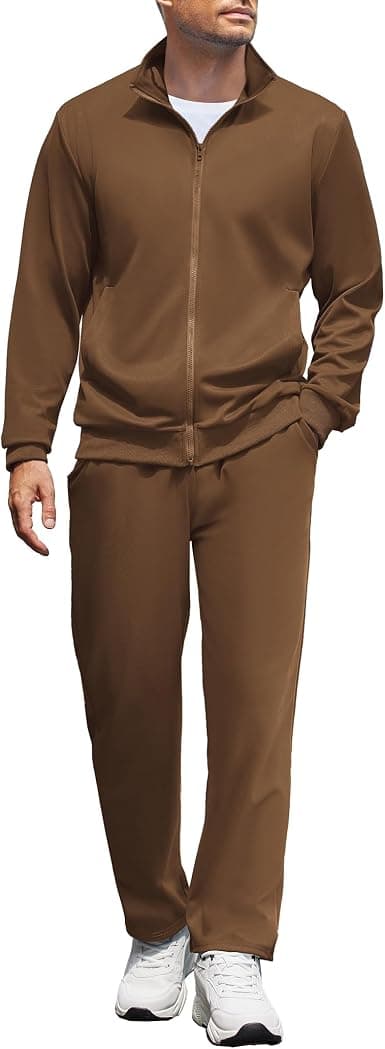
Watch for the unit of sale as well. A tracksuit is priced per set — hooded top and matching jogger together — rather than per garment, and misreading that doubles a budget in someone's head. Products like towels, bottles, polythene bags and keychains are quoted per job rather than carrying a published starting price, so expect a figure specific to your specification instead of a list price. The full range sits on the wholesale page.
What can still change the invoice after approval?
Three things, mostly. Changing the artwork after sign-off, because the setup work has already been done and doing it twice costs twice. Changing the quantity, which can move you into a different tier in either direction — up is usually good news, since the per-piece price falls by up to 35% from the 50-piece figure as volume rises. And changing the delivery address or the delivery date, which affects shipping rather than production. None of these are penalties; they are the cost of work being redone. The way the tiers move is explained in how volume discounts really work, and if the order is crossing a border, plan the shipping side using delivering bulk orders to Europe.