Restocking Without Colour Drift
By The Velocity Wear Team
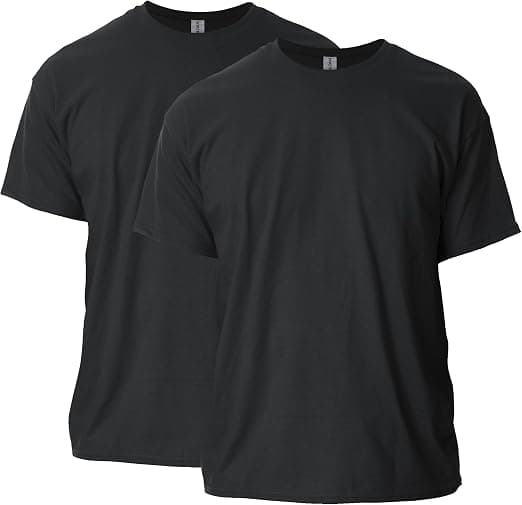
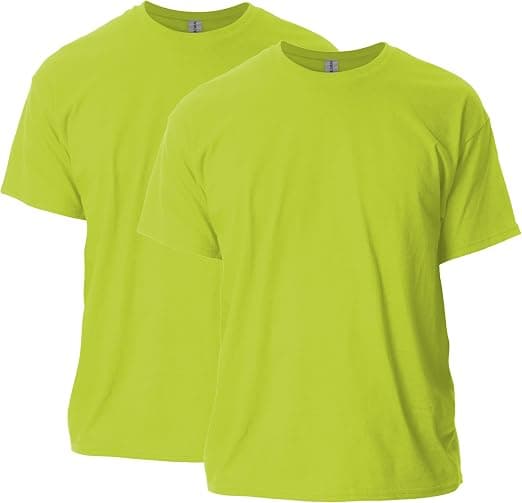
A reorder drifts because nothing about colour is permanent. Fabric is dyed in lots that vary slightly, ink is mixed fresh for each setup, and the same reference lands differently on a new fabric batch. You cannot eliminate that. You can hold it to a level nobody notices by keeping a physical reference from the first run, sending it back with the repeat, and ordering deeper rather than more often.
Why does the colour shift between runs?
Three separate mechanisms, and they stack. The garment itself is dyed in a lot, and two lots of the same fabric in the same colour can sit a shade apart in daylight while both being correct against the specification. The ink is mixed to a reference, and a mix made six months later from a different tin will be very close rather than identical. And the interaction changes: the same ink on a slightly different fabric base reads differently, particularly on mid-tones and on anything close to white.
Embroidery behaves better than print because thread comes in fixed numbered shades, so a repeat is usually a genuine match. That is a real argument for stitching a logo rather than printing it on anything you expect to reorder repeatedly, such as long-running uniform kit.
What should you keep from the first run?
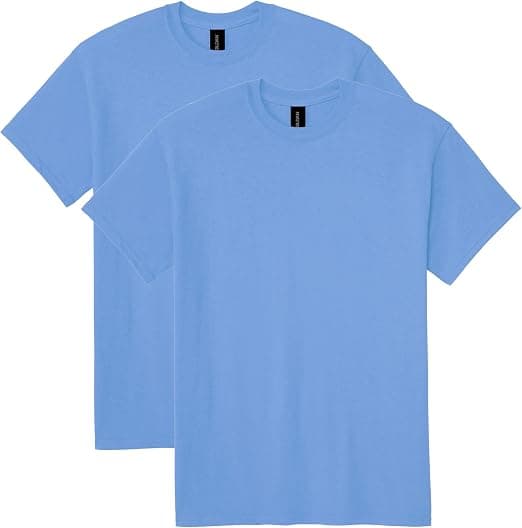
One unworn, unwashed garment, stored out of sunlight, labelled with the order date. That is the single most useful thing you can do, and it costs you one unit. A washed or faded garment is not a reference, and a photograph is worthless for this purpose because every screen renders colour differently. Alongside the garment, keep the order paperwork: the approved artwork, the colour references, the thread numbers, the print positions and measurements. Defining those properly at the outset makes all of it easier, and choosing brand colors for an apparel label covers how to set them.
Send the reference garment with the reorder rather than quoting a code. A physical object removes the ambiguity that a code cannot, because it shows the colour on the actual fabric in the actual finish.
When should the reorder go in?
Earlier than instinct suggests. Production takes 10 to 15 working days from artwork approval, with transit on top, so a reorder placed when the shelf looks empty leaves you out of stock for weeks. Set a trigger level in units instead of dates: when a size drops below a set number, the order goes in, regardless of how the month is going. Ordering deeper and less often also helps the price, since the per-piece figure falls with quantity by up to 35% against the 50-piece price, and it reduces the number of dye lots in circulation. The products and starting prices are on the wholesale page.
Where a reorder is really a redesign, treat it as a new product rather than a restock, and retire the old stock deliberately instead of selling the two side by side.
Can a new run be matched to an old one?
To a close approximation, yes, if you have kept the reference and you say up front that matching matters. Tell the supplier which elements are colour-critical — a corporate blue that appears in the brand mark, say — and which are not, so the effort goes where it counts. Be realistic about the answer: two runs months apart will be very close rather than identical, and the honest way to handle it is to sell or issue the old stock through before the new arrives so the two are never worn together on the same day. How the ranges line up if you are comparing suppliers is on the comparison page, and planning the depth of a run so you reorder less often starts with building a size curve for a bulk order.