Choosing Brand Colors for an Apparel Label
By The Velocity Wear Team
Need this made?Get pricing for this product— free, no obligation, 50 pieces minimum.
Colour is the part of a brand people register before they read a word. It carries mood, signals quality and, after enough repetition, becomes a shorthand for the brand itself. For an apparel label, colour also has a complication that purely digital brands never face: your palette has to survive the journey from screen to ink to thread to dyed fabric, where the same value can look like three different colours. Choosing brand colours well means designing a palette that is both emotionally right and physically reproducible, and this guide covers both halves of that job.
Decide the feeling before the hue
Colour decisions go wrong when they start from personal preference rather than from the brand. Before sampling shades, return to your positioning and audience and decide what the palette should make people feel — calm, energetic, premium, rugged, playful. Colour psychology is not a precise science, but tone is real: muted, desaturated colours read as considered and grown-up, while bright saturated ones read as energetic and youthful. Let the brand, not your favourite colour, choose the direction.
- Write down the impression the palette must create, in the same words you used for your brand voice.
- Look at the brands your audience already loves and notice the emotional register of their colour, not just the hues.
- Decide where you want to sit relative to competitors — blending in is invisible, clashing deliberately can be ownable.
- Choose a lead colour you could imagine owning for years, because the value of brand colour comes from repetition.
Build a small, structured palette
A common error is collecting a dozen colours you like and calling it a palette. A working brand palette is structured and small: one primary colour that does most of the identifying, a neutral base that carries the brand calmly, and one or two accents used sparingly for emphasis. Restraint here is what makes a brand look considered. The fewer colours you use, the more each one means — and the easier it is to keep production consistent.
- Primary: the one colour you most want associated with the brand, used as the dominant identifier.
- Neutral base: a black, off-white, grey or earthy tone that carries large areas and most garments.
- Accent: one or two supporting colours for highlights, used in small doses so they stay special.
- Define light and dark variants of each so the palette works on both pale and dark fabric.
Think in garment colours, not just brand colours
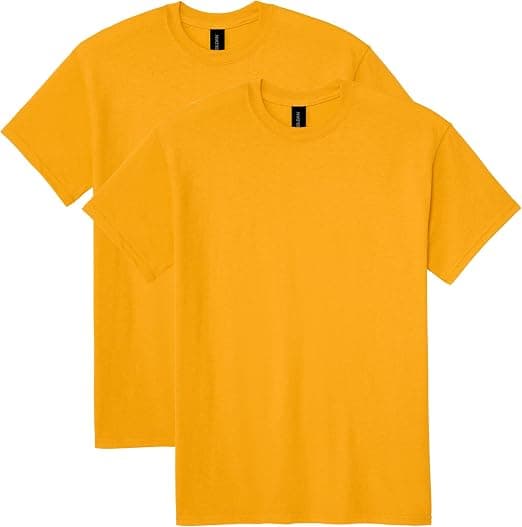
There is a difference between the colours of your logo and the colours of the clothes you sell, and confusing them causes problems. Your brand accent might be a vivid orange that is perfect for a logo but punishing as a full hoodie. Plan two things: the brand palette used for logos and graphics, and the garment colourway range customers actually buy. The two should harmonise, but the garment range usually leans on flattering, wearable neutrals with brand colour used as a controlled highlight.
- Keep core garments in wearable, repeatable colours — blacks, off-whites, navies and earth tones sell broadly.
- Use your bold brand accent on labels, prints and a limited “signature” colourway rather than across everything.
- Check how your logo colours sit on each garment colour, and prepare alternate logo versions where contrast fails.
- Remember that fabric colour and print colour interact — a print looks different on white than on charcoal.
A palette is not the colours you like. It is the few colours you are willing to repeat until they mean your brand.
Make colour reproducible from screen to fabric
This is where apparel brands win or lose colour consistency. A colour defined only as an on-screen value will print, dye and stitch differently every time. The solution is to lock your colours in physical, repeatable references — standardised colour codes your manufacturer can match in ink and thread — and to accept that fabric will always shift a shade. A colour that looks perfect on a glowing screen may look dull on cotton, so judge final colours on the actual material, in daylight.
- Specify each brand colour with standardised references your producer can match precisely, not just a screen value.
- Request physical samples or strike-offs and approve colour on the real fabric before committing to a bulk run.
- Evaluate colour in natural light; screens and shop lighting both mislead, sometimes badly.
- Document the approved references once you are happy, so every future order matches the first.
Protect the palette with consistency
Once your palette is set, its power comes entirely from disciplined repetition. The temptation to introduce a new seasonal colour, tweak the accent or print “just this once” in a near-match shade is how brands slowly lose their colour identity. Treat the palette as fixed infrastructure, record the exact references, and only evolve it deliberately. The brands whose colours feel iconic are simply the ones that repeated the same few values for longer than their rivals.
When it is time to put the palette onto real garments, Velocity Wear matches your specified colours in print and thread and produces your range in bulk from a 50-piece minimum, with samples available so you can approve colour on fabric before the full run, and tracked delivery across the UK, USA, Europe and worldwide. Request a free quote to see your palette on cloth, not just on screen.