
Storing Merch Stock Without Ruining It
By The Velocity Wear Team
Bulk clothing degrades in storage faster than most buyers expect, and almost always from the same four causes: damp, direct light, prolonged pressure along a fold, and being forgotten. Keep stock dry, dark, loosely packed and in a rotation you actually follow, and a run will still be sellable a year later. Ignore all four and you will be discounting garments that were never worn.
What actually damages stock in storage?
Damp is the worst of them because it is invisible until it is not. A garage, a cellar or an outbuilding will cycle through humidity as the weather changes, and cotton absorbs it. The result is a musty smell that survives a wash and, at the far end, mildew spotting that does not come out at all. The second cause is light: sunlight through a window will fade the top garment in a stack and leave a visible line where the one beneath it was shaded. The third is pressure — a hard crease held for months in a printed garment can crack the print along the fold. The fourth is simply time passing while nobody looks.
Temperature matters less than people assume, provided it is stable. Fluctuation is what drives condensation, so a consistently cool room beats a warm one that swings.
Should garments be folded, bagged or hung?
For bulk stock, folded and bagged, with the qualification that the bag must not be sealing in moisture. Individual polythene bags protect against dust and handling marks and make picking an order far quicker; they are quoted per job rather than from a published starting price, so ask for them with the garment quote if you want the stock to arrive already bagged. Fold along different lines if stock will sit for a long period, or refold periodically, so no single crease is held indefinitely across a print.
Hanging suits a small number of structured garments — jackets, tailored uniform pieces — and is impractical for volume. What you should not do is stack heavy boxes on top of garment boxes, because the compression at the bottom of the pile is what sets a permanent crease.
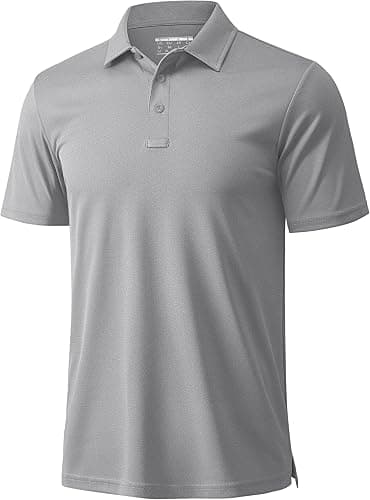
How do you rotate stock so nothing ages out?
Label every box with the design, the sizes inside, the quantity and the date the run arrived, then issue or sell the oldest box first. It sounds obvious and it is the step almost everyone skips, which is why the oldest stock is usually the stock at the back that nobody can reach. Count what you have at a fixed interval — quarterly is plenty — and write the numbers down somewhere other than one person's memory. A count that happens on a date is a count that happens.
Keep one unworn garment from each run out of circulation as a reference rather than selling it, because it is what a future reorder gets matched against. The reasoning is set out in restocking without colour drift.
What does a small stockroom actually need?
Very little: shelving that keeps boxes off the floor, a room that stays dry and out of direct sun, and a written list of what is in it. Floor storage is the most common mistake, because a floor is where water goes first and where boxes get kicked. If your storage is genuinely poor, that is an argument for ordering to demand rather than chasing a deeper price tier — the per-piece cost falls with quantity to a ceiling of 35% off the 50-piece price, and that saving is worth nothing on garments that come out of the box unsellable. The tiers are on the pricing page and the product range is on the wholesale page. Stock that has aged out anyway is dealt with in what to do with unsold merch.

