How Agencies Buy Caps Wholesale
By The Velocity Wear Team
Agencies buy caps at $12 a piece from, fifty pieces minimum per design, with production running 10–15 working days from artwork approval. The two things that decide whether the job goes smoothly are entirely on your side of the table: a client sign-off process that fits inside the timeline, and brand guidelines specific enough to stitch from. Neither is a production problem, and both are the usual reason a campaign cap lands late.
How do you quote a cap line to a client?
Quote the tier, not the unit. A client asked for a price on caps will hear one number and hold you to it, so present the bands — 50–99, 100–249, 250–499, 500–999, 1,000+ — and let the quantity decision sit with them. The saving reaches up to 35% off the fifty-piece price at the top band, which is a persuasive argument for the client to commit to a bigger run than the brief asked for. Build in the £150 sample as a line item rather than absorbing it; it is credited against the bulk order, so it costs the client nothing once the run is placed.
What do brand guidelines need to say before we can stitch?
Most brand books are written for screen and print, and a cap front is neither. What we need beyond the logo file is a decision on minimum size, because a mark set for a business card still loses its fine detail in thread, and a decision on how the colours translate. A Pantone reference gets us close on thread, but thread is not ink and the match is approximate rather than exact — colour matching and Pantone explains where the drift comes from and how much of it is unavoidable. Get the client to accept a close match in writing before production, not after.
How do campaign deadlines work backwards?
Take the event date, subtract transit, subtract 10–15 working days of production, and subtract the sample round if you are running one. That is your artwork approval date, and it is typically five to six weeks before the event. Everything before it — client revisions, legal, the second opinion from the brand director who was on leave — has to fit in the gap. What we need from you at approval is covered in artwork setup for custom caps. For internal teams buying their own kit rather than a client's, the corporate page lists what usually goes in the box alongside caps.
What style should a campaign cap be?
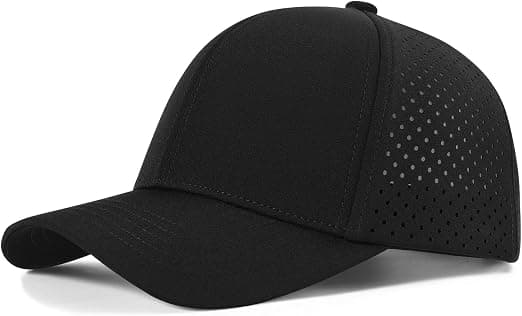
Default to a structured six panel snapback when the logo is the point: the crown stays upright, the front panel is flat enough to hold a clean stitch, and the adjuster removes any sizing conversation. Choose an unstructured dad cap when the campaign wants to read as casual rather than corporate, and a trucker when it is outdoors and hot. Whatever you pick, order a handful more than the headcount — campaign caps get given away on the day, and running out in front of a client is worse than a box of spares. All of the options and the current from-price sit on wholesale caps.
Who owns the artwork when the campaign ends?
Settle this at the start, in the agency contract rather than with us. The stitch file we produce is derived from the client's logo, and it is retained so a reorder does not start over. What matters on your side is who can authorise that reorder in twelve months, because campaigns end, accounts move and the person who approved the proof leaves. Two habits prevent the awkward version of this conversation. Keep a copy of the approved proof — the mark at size, in position, with its thread references — in the client file rather than in one person's inbox. And note the cap specification in full: crown structure, closure, fabric, colour code. A client who returns wanting 'the same caps as last time' is easy to serve when that line exists and slow to serve when it does not.