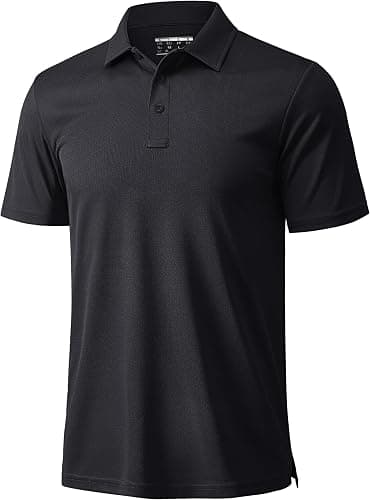
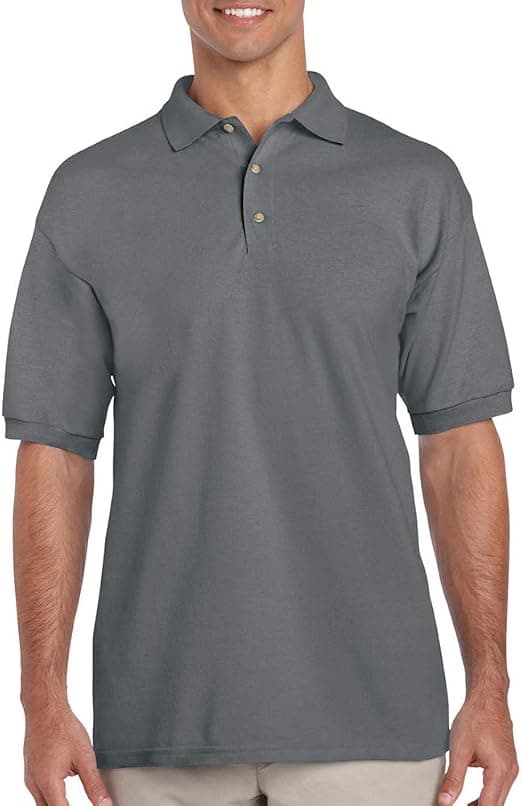
Midweight vs Heavyweight on Corporate Uniforms
By The Velocity Wear Team
Midweight uniforms are the sensible default for indoor teams: comfortable through a full shift, quick to dry, and easy on freight cost. Heavyweight fabric feels substantially more solid in the hand, resists abrasion and holds a structured shape, which earns its place on outdoor and workshop teams. Price starts from $20 per piece on a fifty-unit run either way, with the exact figure set on your quote.
What is a buyer actually feeling in the hand?
Three things at once: thickness, density and drape. A midweight shirt drapes; it follows the body and moves. A heavyweight one stands slightly away from it and holds a crease where it is pressed. Hold two garments up to a window and the heavier one lets through noticeably less light, which is the quickest field test there is for opacity on a light-coloured uniform.
Density is the part people misjudge. Two garments can weigh the same and feel completely different if one is knitted tightly and the other loosely. A tight knit resists pilling at the cuffs and under bag straps, which is usually where a uniform first starts looking tired. We confirm the weight band for each fabric on the quote rather than publishing a single number, because it varies by garment across shirts, polos, aprons and outer layers.
Does a heavier uniform cost more per piece?
Yes, a little, and then again on freight. More fibre in the garment means more raw material, and a pallet of heavyweight outer layers weighs and cubes out faster than the same count of midweight shirts. Neither effect is dramatic at fifty pieces, but both compound at a thousand. The compare page sets the options against each other, and the wholesale uniforms range shows what the programme covers.
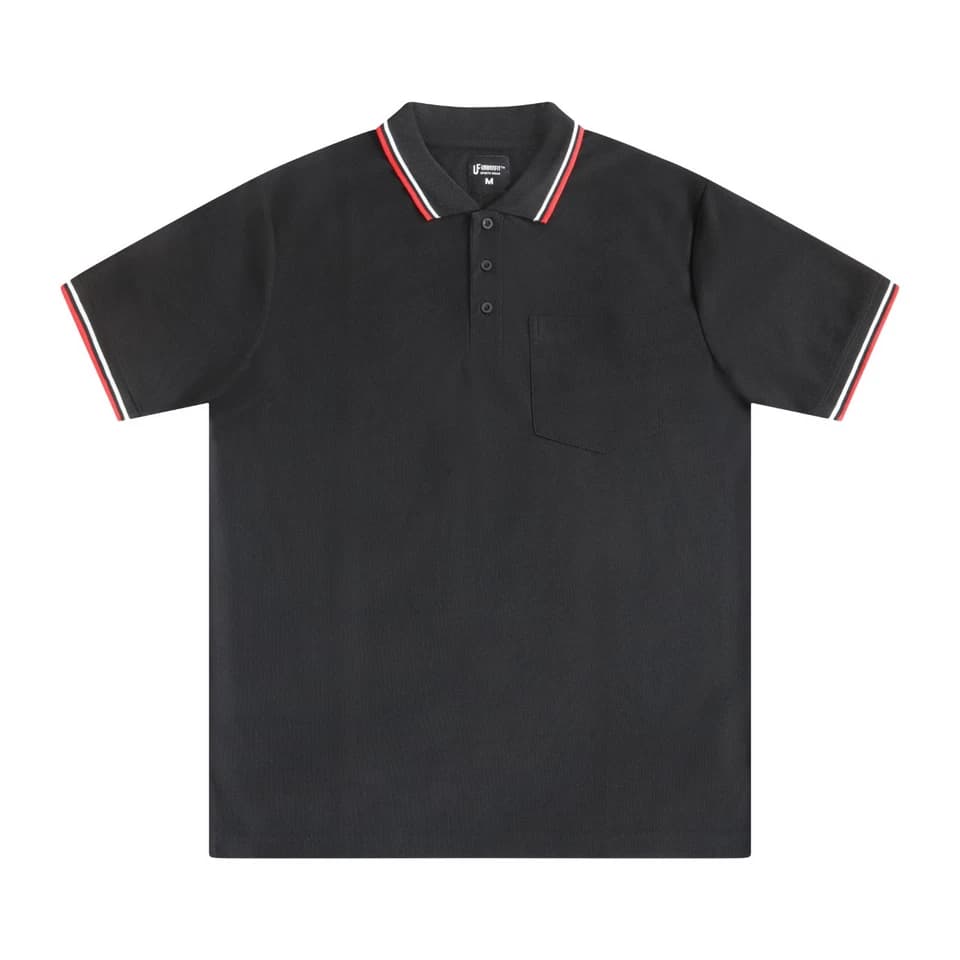
Volume is still the larger lever. Moving from the 50 to 99 band up through 100 to 249, 250 to 499, 500 to 999 and past 1,000 pulls the price down by up to 35% from where it started. A buyer choosing heavyweight and ordering a year of stock in one release often lands below a buyer choosing midweight and reordering in quarterly batches.
Which weight suits an indoor team and which an outdoor one?
Indoor teams in heated buildings are almost always better served by midweight. Staff overheat in a heavy shirt across an eight-hour shift, and nothing undermines a uniform programme faster than people taking it off. Outdoor teams, workshops, yards and anyone working over machinery benefit from the extra abrasion resistance, and from the fact that heavier fabric hides marks better between washes.
Layering resolves most of the disagreement. Run midweight shirts and polos as the base and put the weight into the outer layer instead, which only goes on when the wearer wants it. Jackets and outer layers are quoted per job, so that layer is priced against your actual specification rather than a list. Our cotton and blend comparison covers the fibre side of the same decision.
There is a presentation angle too. Midweight cloth reads softer and more relaxed in a team photograph, while heavier fabric holds a defined shoulder line and looks more deliberate on camera. If the uniform is going onto a website or a recruitment page as well as onto a shop floor, that difference is worth a thought before the specification is fixed, because it only becomes obvious once a photographer is already on site and the kit is on people.
Choose midweight when, choose heavyweight when
Choose midweight when the team works indoors, when the garment is washed several times a week, when you are shipping to more than one site, or when comfort complaints have killed a previous uniform. Choose heavyweight when the garment takes physical abuse, when it has to look structured under a jacket or over a shirt, or when the wearer is outside for a large part of the day. If you are genuinely undecided, order a £150 sample of each candidate; the fee is credited against the bulk order, and holding both settles it in under a minute. Sizing shifts slightly between weights too, which our fit guide goes into.