Cotton vs Poly Blend on Corporate Uniforms
By The Velocity Wear Team
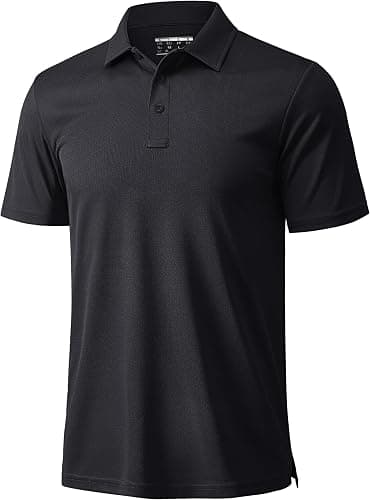
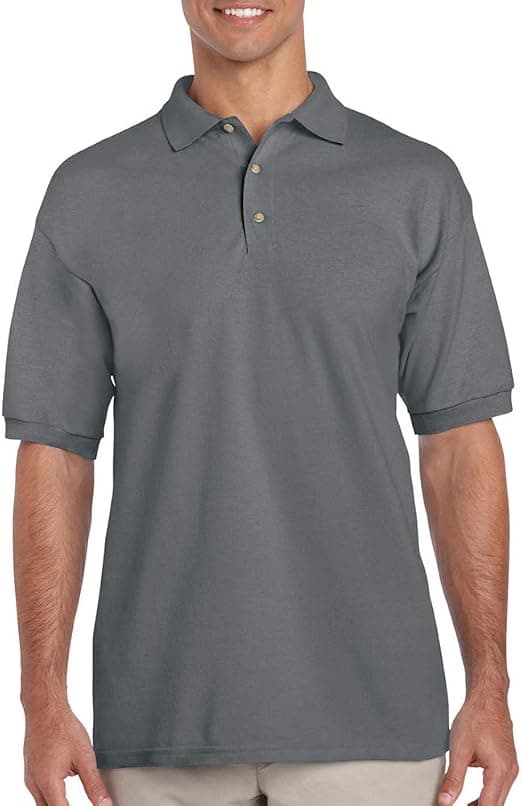
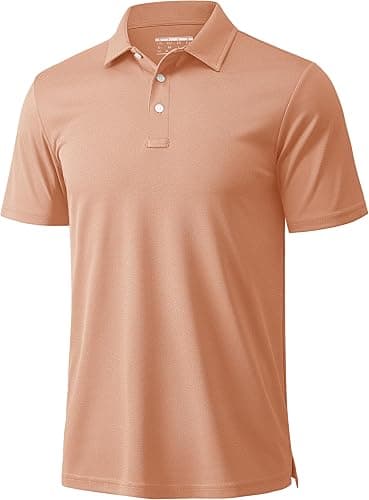
Cotton is softer and breathes better, but it relaxes and shrinks after the first hot wash and it creases on a shift. A poly blend holds its shape and its shape stays held through a laundry cycle, at the cost of a slightly synthetic hand. For most staff programmes the answer is a blend for shirts and polos, and cotton reserved for aprons and casual layers.
How much does each fabric move after the first wash?
Cotton is the one that moves. Expect a body-length change on the first hot cycle, and expect it to be uneven across a size run, because the knit relaxes rather than shrinking uniformly. Pre-shrunk cotton reduces the effect but does not remove it. Blends move far less, which is why hem lines on blended shirts still look level a year in. If sizing consistency across a team is the priority, the blend is doing work for you that cotton cannot.
This has a practical consequence for size ordering. With cotton you generally size up for anyone borderline between two sizes, and with a blend you order the size they measure. Our fits and cuts guide covers how to run a size split across a team without a fitting session.
Which fabric takes decoration better?
Screen printing and DTF both sit better on cotton, where the ink keys into a natural fibre and the hand stays soft. Polyester needs a different ink chemistry, and on dark polyester the dye can migrate into the print over months, turning white ink pink or grey. That is manageable with the right base, and it is a known risk we plan around rather than a surprise. Sublimation is the reverse: it only works on polyester, and on a blend it produces a deliberately faded look.
Embroidery does not care much either way. Thread behaves the same on both fabrics, so if your programme is stitched rather than printed, fabric choice comes down to wear and cost alone. The glossary covers the fabric and decoration terms that turn up on a quote if any of this is unfamiliar.
Does the blend change what you pay per piece?
Not by much at the garment level. The from-price for corporate uniforms is $20 per piece quoted at fifty, and both fabric routes sit in that region, with the exact figure confirmed on your quote. What genuinely moves the number is quantity. The tiers run 50 to 99, 100 to 249, 250 to 499, 500 to 999 and 1,000 upward, and the discount reaches up to 35% against the 50-piece price at the top of that range. Buying two years of uniform in one go beats buying twice.
The full-programme view matters more than the per-garment one. Shirts, polos, aprons and outer layers can run as a single order, and jackets and other outer layers are quoted per job because construction varies so widely. Bring the whole list to the uniforms page enquiry rather than pricing one garment at a time.
So which one goes on your team?
Choose a poly blend when the uniform is worn on shift every day, washed commercially, and needs to look identical on every person two years in. Hospitality floors, clinics, logistics and front desks all point that way. Choose cotton when the garment is worn occasionally, laundered at home, and comfort matters more than a crisp line: kitchen aprons, casual staff tees, event layers. Weight interacts with this, and our GSM explainer covers what the number on the spec sheet is telling you.
Whichever way you go, order one sample first if the fabric is new to you. It is £150, credited against the bulk order, and it settles the hand-feel argument in a way no description can. Production then runs 10 to 15 working days from the moment artwork is signed off.