GSM Explained for Bulk Corporate Uniforms
By The Velocity Wear Team
GSM means grams per square metre: the weight of the fabric, not the garment. A higher number means more fibre packed into the same area, which usually reads as thicker, more opaque and longer-wearing. It is the most useful single figure on a uniform spec, and we confirm the band for each fabric on the quote rather than publishing one number across a range that spans shirts, polos, aprons and outer layers.
What is the GSM number on a spec sheet describing?
A square metre of the cloth before it was cut. That is worth holding onto, because it means two garments in the same fabric weigh different amounts if one is a size small and one a 3XL, yet both carry the same GSM figure. The number describes the material, so it is comparable between suppliers in a way that garment weight never is.
What it does not describe is quality. A loosely knitted fabric and a tightly knitted one can share a figure and behave nothing alike: one pills at the cuffs within a month, the other holds. Construction, yarn and finishing all sit outside the number, which is why a spec sheet is a starting point rather than a decision. The glossary defines the surrounding terms that appear alongside it on a quote.
Why does weight move the price per piece?
Because you are buying fibre. A heavier fabric uses more of it, and that flows straight into the garment cost. It also flows into freight, where volume and weight both matter on an international consignment. Corporate uniform pricing starts from $20 each at fifty units, with the specific figure set against the fabric you choose.
Quantity still moves the number much further than weight does. The tiers step at 50 to 99, 100 to 249, 250 to 499, 500 to 999 and 1,000 and above, and the reduction reaches up to 35% against the fifty-piece price. Choosing a heavier fabric and ordering a year ahead frequently comes out below a lighter fabric ordered quarterly.
Which weight do shirts, polos, aprons and outer layers need?
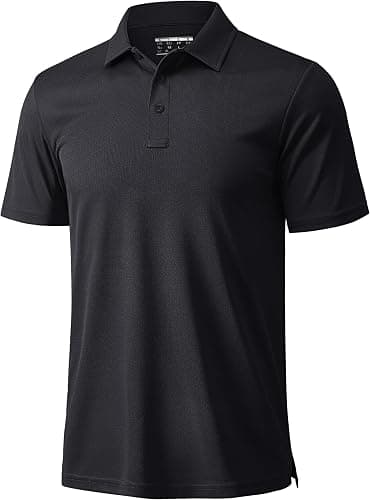
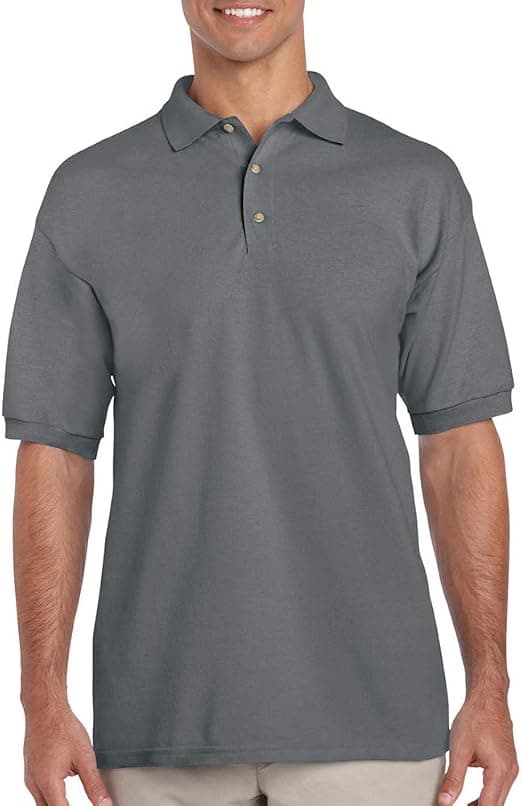
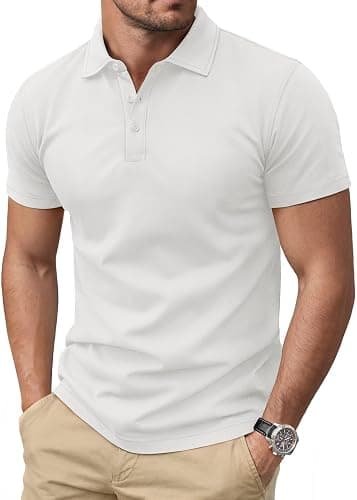
They differ, and a programme quoted as a single weight is usually wrong somewhere. Shirts and polos worn indoors all day want to sit at the lighter end, where they breathe and dry quickly. Aprons want mass, because they take the abuse and need to hang rather than flap. Outer layers want the most weight of all, and they are quoted per job since construction varies so much between styles.
Opacity is the constraint people forget on light colours. A pale shirt that is too light shows everything underneath it, and no amount of good printing fixes that. Hold a sample up to a window before signing it off. The comparison between the two broad bands is covered in midweight vs heavyweight on corporate uniforms.
How do you check the weight before committing to fifty?
Order a sample. It is £150, credited against the bulk order, and it is the only way to convert a number on a page into something you can judge. Feel the drape, check the opacity against a window, stretch the hem and let it go, and then wash it once at the temperature your team will actually use. Our care and washing notes cover what to look for after that first cycle, and the wholesale uniforms page shows what the programme can include.
Use the sample to settle arguments as well as specifications. Fabric weight is the topic where opinions in a room diverge most sharply, usually because two people are picturing completely different garments from the same description. Putting the actual cloth on the table ends that in seconds. It is also the moment to get it in front of somebody who will wear it daily, rather than only the person signing the order, because those two rarely want the same thing and only one of them lives with the result.