Care and Washing for Corporate Uniforms
By The Velocity Wear Team
Most branded uniform is happiest washed warm rather than hot, inside out, and dried without high heat. That is not fussiness: temperature and tumble drying are what age a garment and its decoration fastest. Where an industrial laundry is involved, say so before ordering, because the fabric and the decoration both need choosing with that cycle in mind.
What temperature can a branded uniform take?
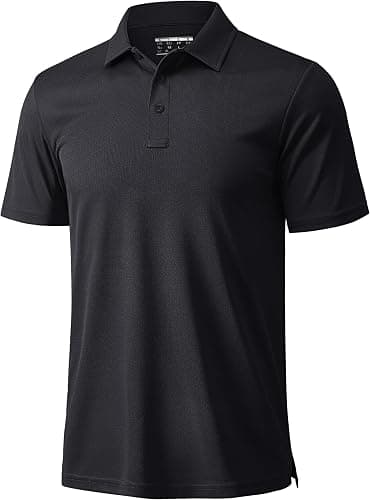
Higher than the label suggests, but not without cost. A hot cycle strips colour from both the fabric and any printed artwork, and repeated hot washing is what turns a black polo grey over a year. Warm washing keeps a uniform presentable for far longer, and for most office and retail environments it cleans perfectly well. Where hygiene requires heat, accept the shorter garment life and budget for replacement rather than fighting it.
The tumble dryer does more damage than the wash. Heat shrinks natural fibres, hardens print and abrades the surface of the fabric against everything else in the drum. Line drying or a cool cycle adds months to the life of a uniform at no cost whatsoever.
Which decoration handles an industrial laundry?
Embroidery, comfortably. Thread is dyed through and mechanically attached, so it survives the temperature and the agitation that flatten a print. Screen printing holds up well on a domestic cycle and starts to show wear under commercial conditions. DTF sits in between. If your garments go out to a contract laundry, stitched decoration is the specification that will still look right in a year.
Fabric matters as much as decoration. Blends hold their shape and colour through commercial cycles noticeably better than pure cotton does. Press temperature is the other variable: a hot press flattens any raised finish, so keep those to garments that are not pressed.
What has to be on the care label?
Fibre composition and care instructions are the baseline, and the requirements differ by territory, which matters if the same garment ships to the UK, the USA and Europe. We deliver to all three, so the labelling is specified against where the goods are going. Care labels and clothing compliance basics sets out what a new programme needs to get right.
If you are running private label with a custom woven neck label, the care information usually moves to a side seam label instead. That is a normal arrangement and it is decided at artwork stage alongside the glossary terms that appear on the spec.
How do you stop dark and mid-tone uniforms going grey?
Wash dark garments together, turn them inside out, skip the optical brighteners and keep the temperature down. Grey is usually detergent residue and fibre abrasion rather than lost dye, and both are reversible in the sense that avoiding them stops the problem getting worse. The same mechanism affects branded towelling, which we cover in why branded towels go hard and grey.
Plan for replacement regardless. A garment washed three times a week is consumable, and holding replacement stock from the original order is cheaper than a fresh run later, since the minimum is fifty pieces per design. Uniform pricing begins at $20 per piece for the first fifty, with up to 35% coming off as volume rises, and the wholesale uniforms range covers shirts, polos, aprons and outer layers on one order.
Tell people how to look after it, briefly, at the point they are handed the garment. A single line on the issue sheet does more than a label nobody reads, because the habits form in the first fortnight and they stick. Wash dark with dark, warm not hot, inside out, and skip the dryer. That covers most of the damage that would otherwise arrive over the following year, and it costs nothing to say. Print it on the issue sheet once and every future starter gets the same instruction without anyone having to remember to give it.