Fits and Cuts for Wholesale Corporate Uniforms
By The Velocity Wear Team
Regular fit is the correct default for a staff uniform: it suits the widest range of bodies and reads as professional without effort. Boxy cuts sit wider and shorter and work on a younger, more casual team. Oversized is a style choice that rarely belongs on a working uniform. Sizes mix freely inside the fifty-piece minimum, so the split costs you nothing to get right.
What do regular, boxy and oversized mean on a work garment?
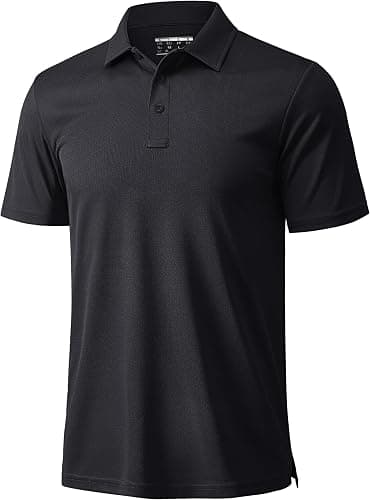
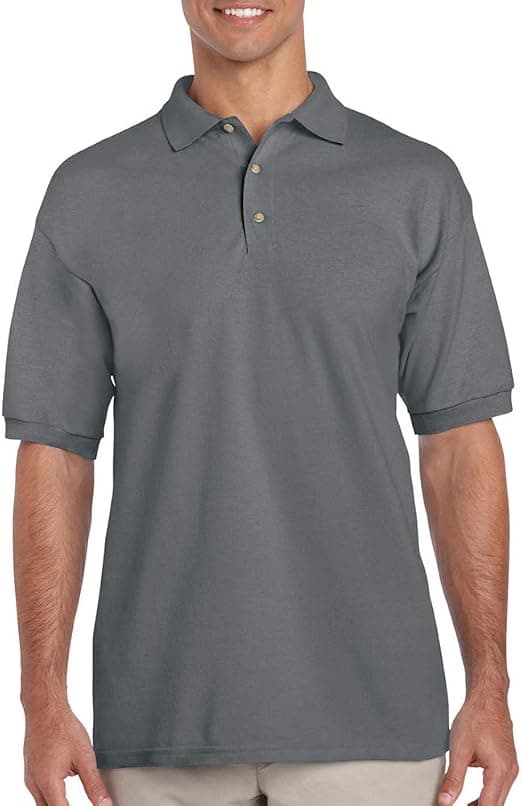
Regular follows the body with ease through the chest and a length that covers the waistband when the wearer reaches up. Boxy widens the body and shortens the length, so it hangs straight rather than tapering, and the sleeve sits further down the arm. Oversized takes that further again on every measurement, which on a uniform means a garment that catches on things and looks untucked by design.
The measurement that decides most of this is the chest-to-length ratio. A garment can be perfect through the chest and wrong in every other respect if the length is off, and that shows up immediately on anyone tall. Ask for the measurements rather than the size labels, because labels are not comparable between suppliers.
How do you size a mixed team without a fitting session?
Collect self-reported sizes, then adjust. People under-report by one size more often than they over-report, and the middle of the range always runs short. A practical method is to send round a size chart with actual measurements on it rather than letter sizes, so people are choosing against a number rather than against how they think of themselves.
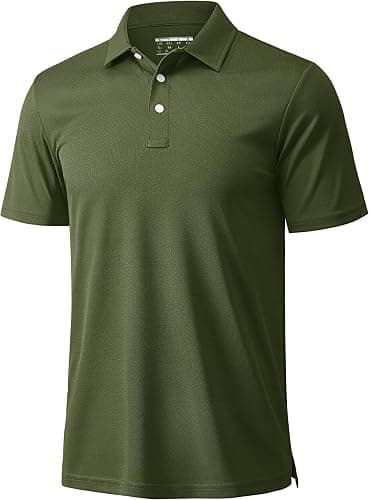
Then add spares. Somebody will need a different size on day one, and the cost of a handful of extra pieces at order stage is trivial against a fresh fifty-piece run later. The apparel sizing and fit guide goes further into getting a size run right, and the glossary defines the measurement terms that turn up on a spec.
Where does fit go wrong on aprons and outer layers?
Aprons fail on neck strap and tie length far more often than on body size. An adjustable strap solves most of it, and a long enough tie is what makes an apron usable on everyone rather than on most people. Outer layers fail differently: a jacket sized to fit over a shirt is fine until someone puts a fleece under it, so specify what is going underneath when you order. Outer layers are quoted per job for exactly that reason, since the construction depends on how they are worn.
Sleeve length is the other recurring problem, and it is one nobody checks on a sample because samples are tried on by whoever is in the office. Get the sample on the tallest and shortest people you have before signing it off.
How many of each size should you order?
Weight it toward the middle. On a typical mixed workforce the medium and large bands take a clear majority, with the extremes taking a much thinner tail, and ordering an even spread across every size leaves you with unused extra-smalls and short on extra-larges. The fifty pieces are per design with sizes free to mix, so a single shirt design across the full range is one order. Pricing starts from $20 per piece at the fifty-piece floor and falls as you move up through the tiers to a maximum reduction of 35%. The wholesale uniforms range covers the garments that can go into one programme.
Keep the leftovers rather than distributing them. Every programme ends with a few unclaimed pieces at the ends of the range, and those are exactly the sizes a new starter will need at some point in the next year. Boxed and labelled in a stockroom they are free cover against a reorder. Given away to whoever is standing nearby, they are a problem you have to solve again at the fifty-piece minimum.