Embroidery vs Puff Embroidery on Corporate Uniforms
By The Velocity Wear Team
Flat embroidery is the default for corporate uniforms. The stitch sits flush against the cloth, holds colour through industrial laundering and works on shirts, polos and aprons alike. Puff embroidery raises that same stitch on a foam base, which reads beautifully on a cap front or a jacket chest and badly anywhere the garment folds. Corporate uniforms start at $20 a piece at the 50-piece minimum.
What does flat embroidery actually put on a work shirt?
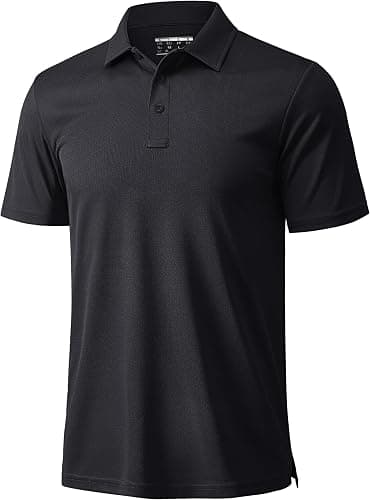
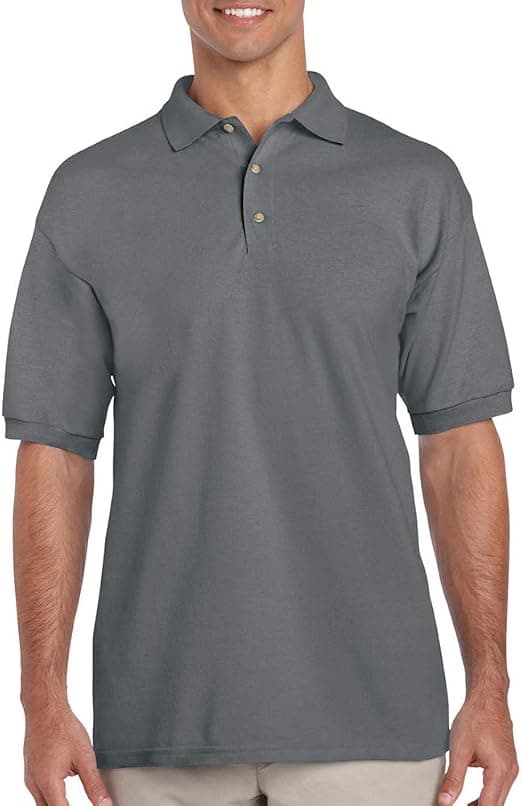
Thread, stitched straight into the fabric. The cost driver is stitch count rather than colour count, so a dense circular crest with a strapline runs longer on the machine than a plain wordmark of the same width. That matters across a programme, because one logo has to work on several garment weights at once. A badge that looks sharp on a jacket can stiffen a lightweight polo placket. The wholesale uniforms range covers shirts, polos, aprons and outer layers, with jackets quoted per job rather than off a list price.
Thread also outlasts ink. It keeps its colour through hot washes long after a print has started to dull, which is why front-of-house teams and anyone in a commercial laundry cycle end up stitched. The trade-off is fine detail. Lines under roughly four millimetres tall close up as the needle fills them, so a logo with small legal type usually needs a simplified version for garments. We mark that up at artwork stage before anything is digitised.
Where does 3D puff belong on a uniform programme?
Puff lays foam under the stitch and the excess is trimmed away after, leaving the letterform standing proud of the cloth. It suits structured panels: cap fronts, the chest of a coach jacket, a bold monogram on a heavyweight tabard. It does not suit a collar, a placket or a seam allowance, because the raised stitch creases and the foam edge shows. The puff print service page goes through the finish and the artwork it needs.
- Block letters and thick shapes only. Anything with internal detail fills in once the foam lifts it.
- A firm panel behind the stitch. Outer layers take puff far better than a lightweight summer polo.
- Mixing the two is normal. Puff on the cap, flat stitch on the shirt, and the programme still reads as one family.
Which finish survives the wash your team actually runs?
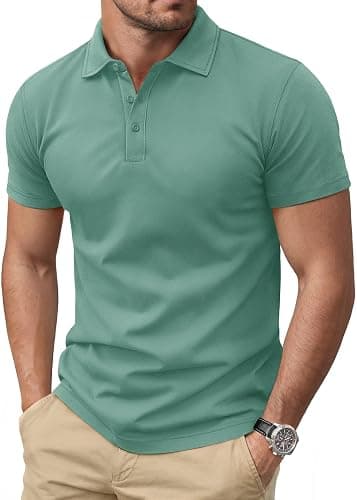
Both survive a domestic wash without much argument. The separation shows in a commercial laundry, where garments go through high temperatures and mechanical agitation several times a week. Flat stitch handles that indefinitely. Puff holds up too, but the foam can flatten under a hot press, so if your uniforms are pressed after every cycle, keep puff on the layers that never see the press. We cover the laundry side in more depth in our notes on care and washing for uniforms.
Placement decides as much as finish here. A logo on a high shoulder rubs against a seatbelt or a bag strap; a low-chest mark disappears under an apron bib. Our guide to print placement on uniforms maps the positions that stay visible once the full kit is on.
Pick this when: a straight decision
Pick flat embroidery when the garment is worn daily, washed hot, or worn under something else. It is the safe answer for shirts, polos, aprons and anything a laundry contract touches. Pick puff when the garment is the outer layer, the logo is a simple block shape, and you want it noticed from a distance, as on event crew jackets or branded caps.
Cost sits close enough between them that it rarely decides the question on its own. Both run inside the same 10 to 15 working day production window from artwork approval, and both draw on the same volume discount of up to 35% as quantity climbs through the tiers from 50 to 1,000 and above. If you want the finish in hand before committing, a sample is £150 and that fee is credited against the bulk order when it goes ahead.