
Specifying a Hoodie for a UK Streetwear Label
British streetwear buyers are sceptical, well-informed and comparing you to brands they already own. The spec is where you win or lose that.
Sourcing for a Calgary Brand: No PST, and a Workwear-Shaped Market
Alberta is the only province where your price tag and your checkout total are nearly the same number. That is worth more to a small brand than it sounds.
One Production Run, Three Markets: USA, UK and Canada
Almost everything about a garment can be shared across the three markets. The label is where they diverge, and the label is made during production.
Why Your AI-Generated Design Will Not Print (And How to Fix It)
The image looks perfect on your monitor and comes back from the printer muddy, blurred at the edges and three shades off. Nothing went wrong at the factory — the file was never a print file.
Who Owns an AI-Generated Design on Your Merch?
You can print it. Whether you can stop anyone else printing it is a completely different question, and it is the one that bites when a design starts selling.
AI Mockups vs Physical Samples: What a Render Cannot Tell You
A render answers "does this look right?". A sample answers "is this good?". Confusing the two is how brands end up with 500 pieces they would not wear.
Using AI to Write Product Descriptions That Do Not Sound Like AI
Generated product copy fails in a specific, recognisable way: it describes a feeling instead of a garment. The fix is not better prompting — it is better inputs.
Forecasting Demand for a Small Clothing Brand Without Guessing
The expensive mistake in apparel is rarely the total quantity. It is ordering the right total in the wrong sizes, and no model fixes that from three months of data.
Cutting Apparel Returns With Better Fit Guidance
Most fit returns are not caused by the customer picking wrong. They are caused by a size chart that describes the garment nobody measured.
Colour Separation for Screen Printing, and What Software Cannot Decide
Separation is not a conversion step. It is a decision about how many inks a design deserves, and software makes that decision badly when nobody tells it the constraints.
What an AI Assistant Should and Should Not Answer on a Clothing Store
The failure mode is not a chatbot that cannot answer. It is one that answers confidently about lead times it has invented.
Digital Product Passports for Textiles: What Brands Should Do Now
The passport is not the hard part. Knowing what is actually in your garment, and being able to prove it, is the hard part — and that starts with your supplier, not your software.
Extended Producer Responsibility for Textiles: What It Means if You Sell Clothing
The principle is simple: if you put it on the market, you help pay for what happens to it afterwards. The consequences for how you design a garment are less simple.
Green Claims on Clothing: What You Can Legally Say
The safest environmental claim is the one that is really a specification. "Sustainable" is an opinion; "320 GSM organic cotton, certified, with the certificate number" is a fact.
Designing Merch for a Second Life, Not a Landfill
Most merch is designed to be given away and thrown away. Very few of the decisions that cause that are expensive to reverse.
Recycled Polyester in Apparel: An Honest Assessment
Recycled polyester is better than virgin polyester on the things it is better at, and identical on the things people assume it fixes.
Landed Cost: What a Garment Really Costs by the Time It Reaches You
Two quotes, one 15% cheaper per piece, and the expensive one is the one that arrives cheaper. Landed cost is the only comparison that means anything.
Tariffs and Apparel: What Actually Changes for a Buyer
You cannot forecast tariff policy. You can know which of your costs it touches, how fast it reaches you, and which contract terms decide who absorbs it.
Nearshoring or Asia: An Honest Comparison for Apparel Buyers
Nearshoring is not cheaper and rarely lower carbon. What it buys is time, and whether time is worth the premium depends entirely on how you sell.
Planning Apparel Lead Times So You Never Air Freight
Production takes as long as it takes. The three weeks that ruin schedules are spent waiting for someone internally to approve artwork.
Incoterms for Apparel Buyers, Without the Jargon
Three letters on a quote decide whether you are buying a garment or buying a logistics project. Most buyers do not know which one they agreed to.
DTF Printing: Where It Genuinely Wins, and Where It Does Not
DTF solved the small-run full-colour problem so completely that it now gets specified for jobs it is wrong for. The limits are about coverage and feel, not capability.
Water-Based and Discharge Inks: How Prints Get That Soft Feel
The vintage, worn-in print you cannot feel with your fingertips is not an aged plastisol print. It is a different ink chemistry entirely.
Puff, High-Density and Raised Print Effects
Raised prints reward simple, bold artwork and punish detail. The designs that work are the ones drawn for the process, not adapted to it.
Embroidery Digitising: Why the Same Logo Looks Different Everywhere
Embroidery is not printing with thread. The file is a set of instructions about needle order, angle and density — and a bad one is visible on every garment for the life of the design.
How to Tell Whether a Print Will Survive: Testing Before You Commit
Twenty washes on one sample answers a question that four hundred customers will otherwise answer for you, publicly, six weeks after delivery.
Selling Apparel on TikTok Shop: The Operational Reality
The marketing problem is getting attention. The apparel problem is that attention arrives in four hours and your reorder takes six weeks.
Returns on Custom Apparel: Where the Rules Are Different
Custom means the usual right to change your mind may not apply — and the moment to explain that is before someone orders, not after they ask to return it.
What a Clothing Product Page Must Answer
Every unanswered question on a clothing product page is either an email you have to reply to or a sale you do not make. Usually the second.
How the Drop Model Actually Works, Operationally
A drop is not a marketing tactic with a countdown. It is an inventory strategy that happens to look like an event.
Merch Works Better as a Membership Badge Than a Revenue Line
Nobody buys a band t-shirt because they needed a t-shirt. Treating merch as apparel retail is why most of it ends up in a drawer.
Corporate Gifting: Apparel That Does Not Go Straight to the Charity Shop
The recipient decides whether your gift becomes advertising or waste, and they decide within about four seconds of holding it.
Planning Event Merch That Sells Out Instead of Coming Home
You get one window and a known crowd. Everything that does not sell on the day becomes a box in a cupboard for a year.
Onboarding Kits: The Merch Decision Most Companies Get Backwards
It is the first tangible signal of how the company does things. A poorly made hoodie in the wrong size communicates something, and it is not what was intended.
Rolling Out a Uniform Programme Without It Going Wrong
The garments are the easy part. Getting the right size to the right person on the right day, across several sites, is the project.
High-Visibility Clothing: What the Standards Cover
A bright jacket with reflective tape is not the same as a certified garment, and printing a logo in the wrong place can compromise the certification you paid for.
Sizing a Uniform for Everybody Who Works There
Someone who cannot get a uniform that fits is being told something about their place in the organisation, whether or not anyone intended to say it.
Uniform Replacement Cycles and What They Actually Cost
The relevant number is cost per person per year, not price per garment — and those two frequently point in opposite directions.
What a Tech Pack Is, and What Happens Without One
Every detail you do not specify is a decision someone else makes on your behalf, usually in the way that is fastest to produce.
The Sampling Process, Step by Step
A development sample proves the idea can exist. A pre-production sample proves the thing you are about to buy is right. They are not the same approval.
Planning Apparel Production Around the US Retail Calendar
The reason your holiday drop was late is usually that you counted forwards from when you started instead of backwards from when you needed it.
Ounces or Grams? Reading Fabric Weight Like a US Buyer
A supplier says 240 GSM, a US buyer hears nothing at all. Say seven ounces and they know exactly what shirt you mean.
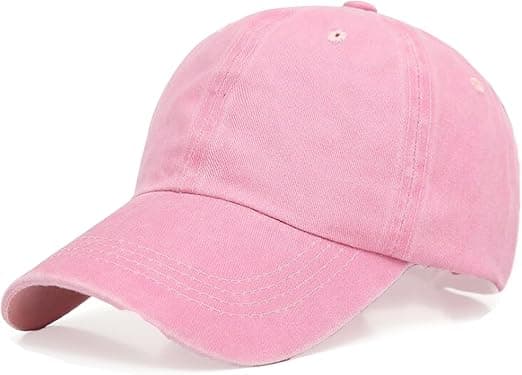
Nonprofit Merchandise That Raises Money Instead of Costing It
Nobody wears a shirt because they support the cause. They wear it because it is a good shirt, and then it tells everyone they support the cause.
From a Market Stall to a Clothing Brand
A Saturday on a market teaches you more about what sells than three months of analytics, because people tell you to your face.
Kit for a UK University Society, Without Wasting the Budget
Every society orders hoodies, every society orders them too late, and every society has a box of unclaimed smalls in a cupboard.
What Changes After Your First Thousand Garments
The problems of a brand selling a thousand units a year are completely different from the problems of one selling fifty, and nobody warns you which ones arrive next.
Sourcing for a Vancouver Brand: Rain, Outdoors and Pacific Freight
A Vancouver customer will ask what the fabric does in rain. That is a harder question than most new brands have an answer for.
Sourcing for a Montreal Brand: Where the Language Rules Bite Hardest
Every Canadian brand needs bilingual fibre content. A Montreal brand needs considerably more than that, and it needs it on the website too.