
Peak Season: Why Your Order Takes Longer in Q4
The factory is not slower in October. It is full — and full is a different problem from slow, because you cannot fix it by paying more.
What to Actually Ask a Clothing Manufacturer Before You Commit
Most buyers ask about price and lead time. The questions that predict whether the relationship works are about what happens when an order goes wrong.
When Raw Material Prices Move, and What a Buyer Can Do
Raw material prices move fast and garment prices move slowly, which means the increase reaches you months after the news does — usually just as you assumed it had passed.
Printing on Recycled and Technical Fabrics
The finish that makes a technical fabric perform is often the same finish that stops ink sticking to it.
Colour Matching: Why Your Pantone Never Looks Quite Right
The colour is not wrong. It is being reproduced in a different material, under different light, on a surface that scatters rather than reflects — and all three change what your eye receives.
Appliqué, Patches and Woven Labels: Decoration That Is Not Print
A woven patch signals a different price point than a print of the same design, for reasons that have nothing to do with durability and everything to do with how it reads in the hand.
Reflective, Metallic and Speciality Inks
Reflective print is the only decoration on this list that does a job rather than an effect — and it is also the one with the strictest design rules.
Print Placement and Sizing: The Measurements That Make It Look Right
A print two centimetres too high looks wrong to everyone and can be explained by almost nobody. These are the numbers that stop it happening.
What You Are Actually Paying For in Screen Printing Setup
The setup charge is not a fee for existing. It is several hours of skilled work that happens identically whether you order 50 pieces or 2,000.
Heat Press Application: The Three Variables That Decide Everything
Nearly every transfer that peels was pressed at the right temperature for the wrong length of time, or at the right time with the wrong pressure. The variables are not independent.
Sublimation Printing: Brilliant on Polyester, Useless on Cotton
It is the only method where the print is genuinely part of the fabric. It is also the one with the least flexibility about what fabric that can be.
Pre-Orders in Apparel, Done Without Damaging Trust
Customers accept waiting. What they do not accept is silence, or a date that moves after they have paid.
Bundling Merch Without Training Customers to Wait for Discounts
A discount says the price was wrong. A bundle says you get more. Customers respond very differently to those two messages even when the arithmetic is identical.
Shipping Strategy for a Small Clothing Brand
Unexpected shipping cost at checkout is the most common reason a clothing basket is abandoned. Free shipping is not the answer — predictable shipping is.
Getting Customers to Photograph Your Clothing
Your product photography shows what the garment looks like. Customer photography shows what it looks like on someone who is not a model, which is the question people are actually asking.
Marketplace or Your Own Store: What You Give Up Either Way
A marketplace sells your product to their customer. Your store sells your product to your customer. That distinction decides everything downstream.
Selling Wholesale as Well as Direct: What Changes
Retailers are not buying your product, they are buying your reliability. That is a different sales conversation from the one you have with consumers.
Why an Email List Beats Followers for a Clothing Brand
Ten thousand followers reach whoever an algorithm decides. A thousand email addresses reach a thousand people, every time, on your schedule.
Subscription and Membership Models for Apparel
Clothing subscriptions fail on the same two things every time: people do not need a new garment every month, and the one they receive does not fit.
Collaborations: What Makes One Work Instead of Diluting Both Brands
Two logos on a hoodie is not a collaboration. It is a compromise that neither audience asked for.
Pricing Merch: What to Charge and Why Cost-Plus Gets It Wrong
A hoodie with your name on it is not competing with hoodies. It is competing with the other ways someone could support you.
Packaging: The Cheapest Way to Make a Garment Feel Expensive
The garment is judged before it is unfolded. Packaging is the frame around it, and a good garment in a plastic bag is a good garment presented badly.
Giving Merch Away Well: Seeding Without Wasting It
A garment given to someone who will not wear it is not marketing. It is a cost with a logo on it.
Running a Kit Programme for a Club or Team
The hard part is not the first order. It is the player who joins in November and needs kit that matches what everyone else got in August.
Showing How It Is Made, Without Overclaiming
A photograph of fabric being cut says more than a paragraph about values, and unlike the paragraph it cannot be challenged by a regulator.
How to Tell Whether a Merch Programme Worked
If the goal was visibility, sell-through tells you nothing. Measure the thing you were trying to cause, not the thing that is easy to count.
Rebranding When You Already Have Merch in the World
The garments people already own do not update. Whatever you do next has to coexist with a population of the old brand walking around.
Hospitality Uniforms: Specifying for Heat, Stains and Long Shifts
A hospitality uniform is worn for ten hours in a hot room, washed daily, and judged by customers throughout. Very few garments are specified for all three.
Healthcare Uniforms: Hygiene, Identification and Comfort
The uniform has to survive an industrial wash, identify a role across a ward, and remain comfortable through a twelve-hour shift. Those pull in different directions.
Construction Workwear: Specifying for the Site, Not the Catalogue
Site workwear fails at the knees, the pockets and the seams. Everything else in the specification is secondary to how those three are built.
Where to Put the Logo on Workwear
The most visible placement and the placement that survives are rarely the same, and the placement staff accept is a third thing again.
Uniform Comfort Is a Retention Issue
Nobody leaves a job over a uniform. Plenty of people list it among the reasons the job felt like it did not care.
Seasonal Workwear: Kitting a Team Across the Year
A layering system is cheaper than two seasonal uniforms and works better, because a person can adjust during the day rather than being wrong for half of it.
Storing and Distributing Uniform Across Multiple Sites
Four hundred garments in a stockroom is not a uniform programme. It becomes one when the right size reaches the right person without anyone chasing it.
Washing Workwear: Domestic, Industrial and Who Pays
Specify a garment for domestic washing and send it to an industrial laundry and it will not last. The two regimes are not comparable.
Grading: How One Pattern Becomes a Whole Size Range
A 3XL is not a medium multiplied. Bodies do not scale uniformly, and grading that pretends they do produces garments nobody at either extreme wants to wear.
Checking a Delivery Properly Before You Accept It
The window for raising a fault is short and it starts when the boxes arrive. Finding a problem three months later is finding it too late.
What Must Be on a Clothing Label
Labelling is the compliance detail most first-time brands discover after production, which is the most expensive moment to discover it.
What You Are Actually Paying For in a Garment Price
Fabric is usually the largest single component, which is why the cheapest way to reduce cost is rarely to negotiate and often to change the specification.
The Cash Flow Shape of a Clothing Brand
Profitable and out of money is the normal failure mode in apparel, because the cash leaves months before it comes back.
When to Reorder, and How Much Buffer to Hold
You do not reorder when you are nearly out. You reorder when the stock remaining equals what you will sell before the new stock arrives.
Scaling From 50 Pieces to 1,000: What Changes at Each Step
Every stage has a different correct answer, and the mistake is carrying the answer that worked at 50 pieces into an order ten times the size.
The Mistakes Almost Everyone Makes on a First Clothing Order
None of these are unusual. They are what a first order looks like when nobody warned you, which is why they are worth listing.
Working With a Clothing Manufacturer for the First Time
Manufacturers do better work for customers who brief clearly and decide quickly. Both are learnable, and neither requires industry experience.
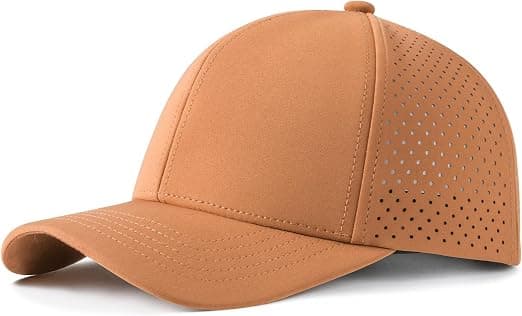
Photographing a First Clothing Range Without a Studio
The shots that sell clothing are not the beautiful ones. They are the ones that answer what it looks like on a body and what the fabric is doing.
SKUs, Barcodes and Product Data for a Growing Range
Three styles in four colours across six sizes is seventy-two items to track. The system you invent at that point is the one you live with for years.
Band Merch: Sourcing for the Table, Not the Warehouse
Merch is where most touring acts actually make money, and where most of them tie up money in boxes of XL shirts riding around in a van.
Trademarking a Clothing Brand in the US Before You Print It
The worst moment to find out somebody else owns your brand name is after five hundred garments arrive with it on the neck label.