Band Merch: Sourcing for the Table, Not the Warehouse
By The Velocity Wear Team
For most independent acts in the US, merchandise is not a side line — it is the part of touring with actual margin in it. It also has an inventory profile unlike almost any other retail: you physically carry the stock, you sell it in a two-hour window to a self-selected crowd, and anything unsold gets loaded back into the van and driven to the next city.
The size curve is not the general population
Merch tables sell large. Consistently, across genres, the curve skews heavier toward L, XL and XXL than a general retail split would suggest — partly because band shirts are worn loose, partly because the buying audience is not a demographic average.
Ordering an even split is the most common merch mistake there is, and it produces the classic outcome: sold out of XL by the third show, still carrying smalls in month three. Weight toward the middle-to-large end and adjust from what actually sells on the first run of dates.
Fewer designs, more depth
A table with two strong designs in full size depth outperforms a table with six designs in patchy sizes, for the same money. The failure at a merch table is almost never "they did not like any of the designs" — it is "they liked one and you did not have their size".
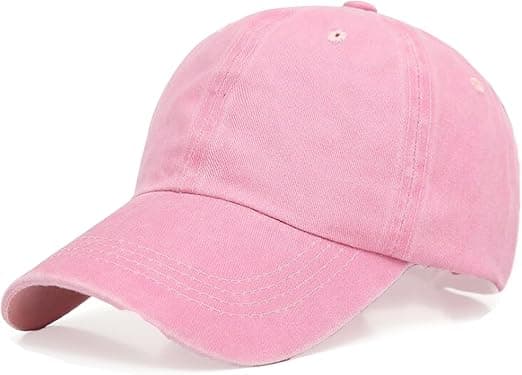
The exception is a low-priced item to catch people who will not spend shirt money. A pin, a patch, a cap. It converts a portion of the crowd who would otherwise buy nothing, and it costs nothing to carry.
Print method matters for the price point
- Screen printing is the traditional choice and gets cheaper per unit as quantity rises. For a design you will run all tour, it is usually right.
- DTF has no per-design setup, which makes it the sensible option for a run of 20 or for a design specific to one show or one city.
- Embroidery on a cap or a heavyweight hoodie supports a genuinely higher price point, and hoodies at a merch table carry the best margin of anything on it.
- One-colour prints on dark garments need an underbase to look right. Say the garment is dark when you send artwork so it is accounted for.
The city-specific run
A design that names the city and the date is one of the most reliable sellers in live music, and it used to be impractical for independent acts because minimums made it uneconomic. At 20 pieces per design it is not. A short run per major date, sold only at that date, is scarce by construction and sells at a premium.
It also solves the carrying problem, because it does not accumulate — it either sells that night or it becomes a small quantity of an interesting archive item, which is a much better outcome than a box of general stock.
Things people forget until they are on the road
Venues often take a percentage of merch sales — check the contract before you price, because a cut you did not budget for eats the margin you were counting on. Take card payments and have a backup, because venue signal is unreliable and a cash-only table loses a meaningful share of sales.
And plan the restock. Production is 10 to 15 working days from artwork approval, which on a longer tour means a mid-tour reorder shipped to a later venue or to somebody's home address is entirely feasible if you order the moment you can see the pattern — not when you are already out.