Where to Put the Logo on Workwear
By The Velocity Wear Team
Workwear branding has to satisfy three things that pull against each other: being seen by customers, surviving the way the garment is used, and being acceptable to the person wearing it. Placement is where those get resolved.
The standard placements and what they are for
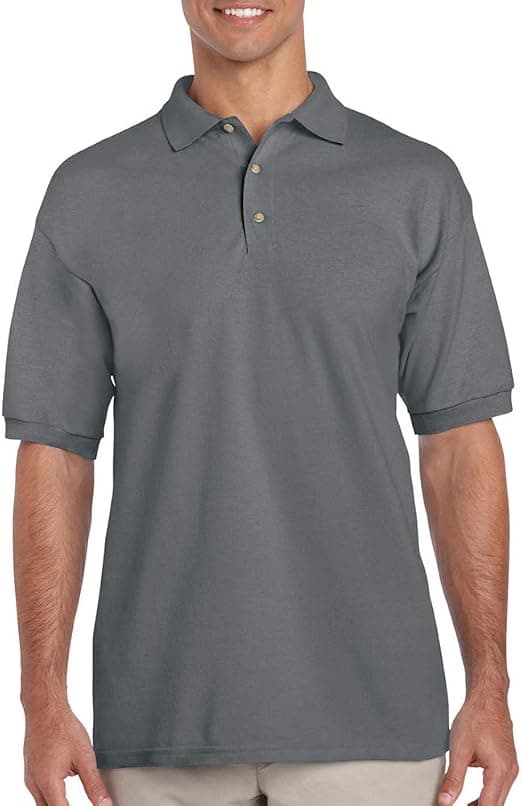
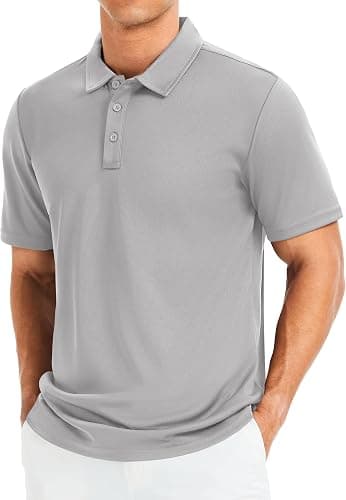
- **Left chest.** The default. Visible in conversation, away from abrasion, and small enough that staff wear the garment outside work. Usually embroidered.
- **Back, between the shoulders.** The most visible at distance, which is why trades and site teams use it. Larger, and read from behind — which is how a working team is usually seen.
- **Sleeve.** Secondary placement, useful for a second mark or a role identifier without adding clutter to the chest.
- **Nape,** just below the collar. Understated and increasingly used where a company wants branding present but not prominent.
Wear points to avoid
- 1**Anywhere a harness, belt or tool bag sits.** Constant abrasion destroys decoration quickly.
- 2**Thighs and seat on trousers,** for the same reason.
- 3**Over pockets and seams,** where the surface is uneven and decoration distorts or fails.
- 4**Anywhere a bag strap crosses,** which is the usual reason a shoulder placement wears out.
The certification constraint
On certified garments — high-visibility in particular — decoration can affect compliance. Printing over reflective tape stops it functioning, and large decoration can reduce fluorescent area below what the class requires.
Certified garments usually carry manufacturer decoration guidance specifying permitted areas. Follow it, and have your supplier confirm the finished garment remains within its class.
Size and restraint
The instinct is to make the logo large because the garment is being paid for as advertising. In practice, restrained branding on a good garment is worn more often and therefore seen more.
This matters most for garments staff might wear outside work — a jacket or hoodie with a discreet mark gets worn at weekends, which is free visibility. The same garment with a large back print stays in a locker.
Personalisation
Names make garments feel individual and make them unreassignable when someone leaves. The usual resolution is company branding on the garment and names on removable badges, so the garment can be reissued.
Where names are embroidered directly, cost is lower than expected when the minimum is per design rather than per variant — every garment in a run can carry a different name — but the reassignment problem remains and is worth deciding deliberately.