Uniform Replacement Cycles and What They Actually Cost
By The Velocity Wear Team
Uniform is budgeted as a purchase and behaves as a subscription. Garments wear out, people join and leave, sizes change and things get damaged. The number that matters is cost per person per year, and it is frequently lowest for the garment with the highest unit price.
Working out the real figure
- 1**Garments per person.** How many sets someone needs to have a clean one available given laundry frequency. Usually more than one and often three for daily-wear roles.
- 2**Expected life.** How many washes before the garment is no longer presentable — which is earlier than when it falls apart.
- 3**Turnover.** Leavers and starters each year. In high-turnover sectors this can dominate everything else.
- 4**Damage and loss,** which is predictable in aggregate even though each instance is not.
- 5**Size changes,** which happen and should be planned for rather than treated as exceptions.
Divide total annual spend by headcount and you have a figure you can actually manage against and compare between options.
Why cheap garments cost more
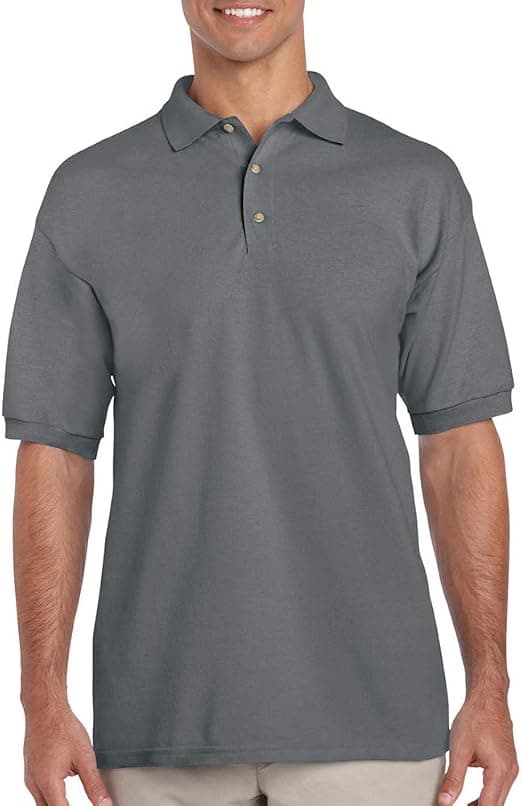
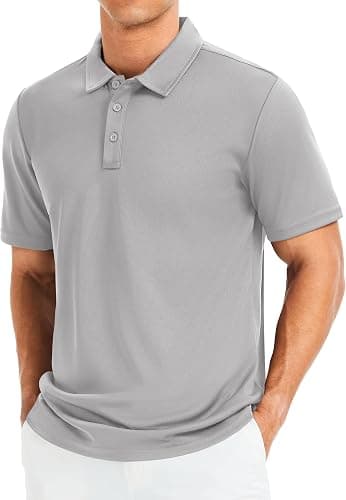
A thin polo that looks tired after twenty washes gets replaced twice as often as a heavier one that survives a hundred. Halve the unit price and triple the replacement rate and you have increased the annual cost while making the workforce look worse throughout.
This is the same durability argument that applies to consumer apparel, and it is stronger here because uniform is washed to a schedule rather than occasionally. Fabric weight, ring-spun yarn and ribbing that recovers are the specifications that determine replacement frequency.
What actually ends a uniform garment
- **Looking tired,** not falling apart. Pilling, colour fade and stretched cuffs retire garments long before they wear through.
- **Print or embroidery failure,** which finishes a branded garment even when the garment is fine.
- **Stains** in food service and industrial roles, where fabric colour and finish matter more than weight.
- **Fit changes,** for individuals.
Specify against these directly: colour that hides marks in messy environments, decoration that survives frequent hot washing, and fabric that resists pilling.
Set a replacement schedule
A defined cycle — a set number of garments per person per year, or replacement on condition against a stated standard — is easier to budget and fairer than replacing on request, where confident people get new uniform and others wear worn garments.
For certified safety garments this is not discretionary: hi-vis and similar items have performance lives and should be replaced against them rather than on appearance.
Ordering rhythm
Larger, less frequent orders reach better volume tiers — ours run to 40% off at the deepest levels — but tie up cash and require storage. Smaller, more frequent orders cost more per piece and keep colour matched to what is in service only if the garment and dye lot remain consistent.
The usual answer is an annual core order sized to the year, with a small buffer replenished as needed. That captures most of the volume benefit while keeping the programme responsive to starters.