Kit for a UK University Society, Without Wasting the Budget
By The Velocity Wear Team
Society kit is one of the most predictable purchases in British student life and one of the most reliably mishandled. The pattern repeats every autumn: a committee decides in November, collects money slowly, orders in January, and the hoodies arrive in March for a society whose members have three months left in the year.
Almost all of that is fixable with a calendar and a size list.
Work backwards from when people want to wear it
The moment society kit has the most value is early in the year, when identity is being formed and people are looking for things to belong to. That means the order wants to be placed at the start of term, not after the committee has held four meetings about the colour.
Production is 10 to 15 working days from artwork approval, before freight. Add the time it takes a committee to collect sizes and money — which is the genuinely unpredictable part — and the schedule writes itself. Collect sizes first, then design, then order.
Collect sizes before you collect opinions
The single biggest cause of unclaimed stock is ordering to a guessed distribution instead of a list of names. A form, closed on a date, with sizes against names, converts the whole thing from a forecast into an order.
Publish flat measurements in that form rather than just letters, because a society is a broad population and "medium" means different things to different members. And close the form. A form that stays open forever is why the order is placed in January.
Personalisation is the thing people actually want
A name and a number or a nickname on the back is what turns society kit from a garment into a keepsake, and it substantially raises the proportion of people who buy. It also solves the unclaimed stock problem structurally: a hoodie with somebody's name on it is going to be collected.
The practical route is a shared front design across the run with individual backs, which is normal work rather than a special request. Get the spelling list checked by the people whose names are on it, because a misspelled name is the one error nobody forgives.
Specifying kit that survives a year of students
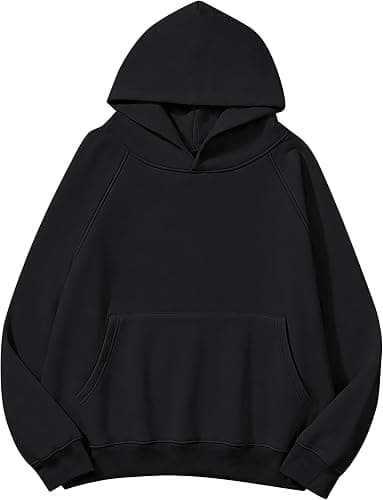
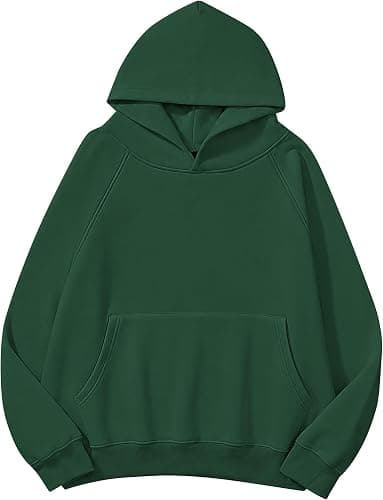
- A midweight fleece around 380 GSM is the sensible standard. Lighter feels cheap in a photograph and in the hand; much heavier pushes the price past what a student committee can collect.
- Embroidery for a crest or logo, print for large graphics and names. Embroidery reads as more permanent and survives washing without any care at all, which matters for this population.
- Dark colours hide a year of student life better than light ones. This is not aesthetic advice, it is practical.
- Ribbed cuffs with actual recovery, or the sleeves will be at the elbows by February.
The money
Collect before you order, not after delivery. A committee that fronts the cost is a committee that ends the year chasing individuals for money, which sours a social organisation faster than almost anything else.
And build a small margin into the price if the society needs funds — a few pounds per garment across a hundred people is a meaningful contribution to a society budget, and everybody understands it.
A note on the university's name
Check with your students' union or the university before putting the institution's name, crest or logo on anything for sale. Many UK universities have specific rules about use of their marks by student groups, and recognised societies often have an approved route that is simpler than the alternative.
The society's own name and identity is yours to use freely, which is usually the better design anyway — it is the thing members actually feel part of.