Rolling Out a Uniform Programme Without It Going Wrong
By The Velocity Wear Team
Uniform programmes rarely fail because the garment was wrong. They fail because a third of the workforce received the wrong size, because nobody explained what was happening, or because 400 garments arrived at head office with no plan for getting them to eleven sites.
Sizing comes first, and it takes longer than you think
Do not estimate sizes from a staff list. People size differently across brands, body shapes vary, and a guess produces a proportion of unwearable garments — which is both wasted money and a visible statement that individuals were not considered.
- 1**Circulate garment measurements,** not size labels. "Medium" means nothing consistent; "55cm pit to pit, 71cm length" does.
- 2**Run a fit session** where practical. A set of sizing samples people physically try on removes almost all error, and one set covers every site if it travels.
- 3**Collect sizes with a deadline and chase it.** Response rates are never complete first time and the stragglers are what delay the order.
- 4**Add a contingency buffer** of common sizes, because some people will still be wrong and some will change.
Where the minimum is per design rather than per size — ours is 20 pieces per design — a full size range costs nothing extra, so there is no commercial reason to narrow it.
Decide what is required and what is optional
A required uniform and an offered one are different programmes. If it is required, you are generally responsible for supplying it, replacing it and covering the cost, and there may be obligations about deductions from pay — check your own position, since employment rules vary.
If it is optional, expect a take-up rate rather than full coverage, and order to that. An optional programme where everyone is assumed to participate produces a stockroom of unclaimed garments.
Communicate before it arrives
- **Say why.** Uniform changes are received badly when they appear without explanation and reasonably well when the reasoning is given.
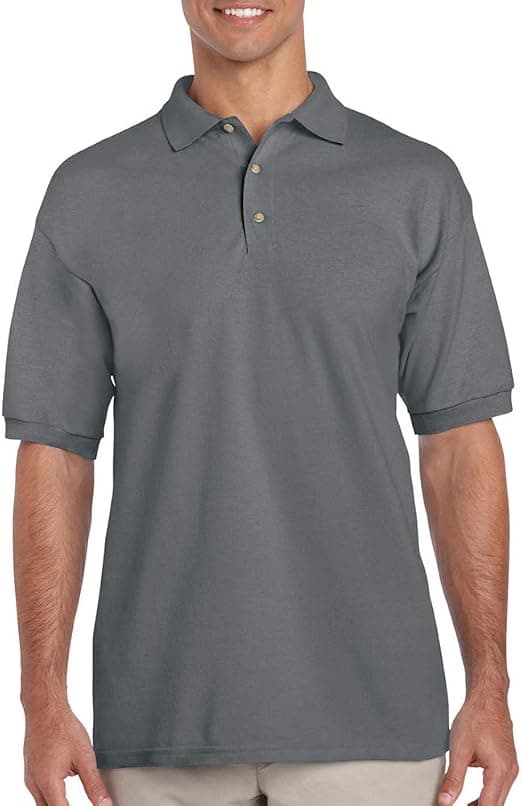
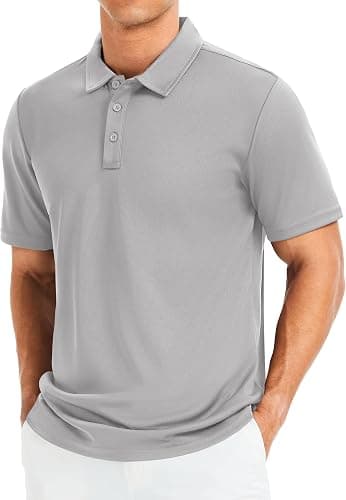
- **Say what people are getting,** with pictures, before delivery.
- **Say when it starts.** A date after which the uniform is expected, with enough notice.
- **Say what to do if it does not fit.** There will be exchanges. Planning for them prevents them becoming complaints.
Distribution is the forgotten half
Garments arriving in bulk still have to reach individuals. Decide in advance whether they are bagged per person at source, sorted centrally, or distributed per site — and who physically does it.
Per-person bagging with names costs a little more and removes the largest source of chaos, particularly across multiple sites. It is almost always worth it above a few dozen people.
Plan the second order before the first arrives
New starters, size changes, damage and loss begin immediately. A programme with no replenishment plan degrades within months into a mix of new and old garments, which defeats the point of a uniform.
Hold a buffer of common sizes, confirm the garment will remain available, and where colour consistency matters, buy the year’s requirement from a single dye lot.