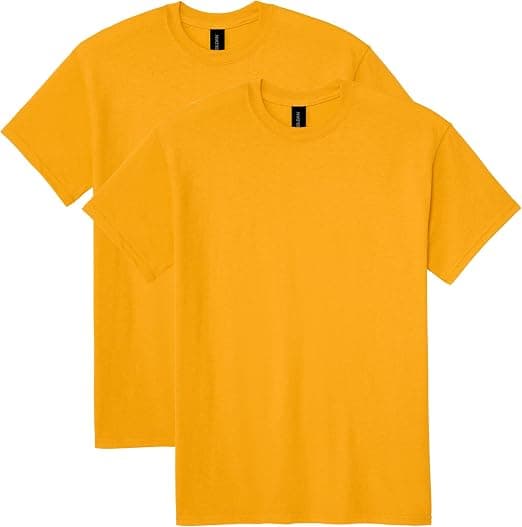
Corporate Gifting: Apparel That Does Not Go Straight to the Charity Shop
By The Velocity Wear Team
Corporate apparel gifting has a poor reputation because most of it is bad — specified on price, branded for maximum visibility, sized in a narrow range, and consequently unworn. Each of those is a decision that could have been made differently for a modest amount more.
The four-second judgement
A recipient forms a view almost immediately, and they form it by touch. Fabric weight, the feel of the surface, whether the garment has structure. That judgement then transfers to your company — a cheap gift says something about how you value the relationship, whether or not you intended it.
This is the argument for spending more per unit on fewer units. Fifty good garments given deliberately outperform five hundred poor ones distributed indiscriminately, on both cost and effect.
Branding restraint is the main lever
- 1**Small embroidered mark over large print.** A discreet chest logo reads as a quality garment. A full-front print reads as a giveaway.
- 2**Consider tonal.** Logo in the same colour as the garment, visible on inspection and invisible across a room. Frequently the most-worn option.
- 3**Nothing dated.** An event year guarantees the garment expires on a known date.
- 4**Use the neck label.** A woven label brands the garment permanently without affecting how it looks worn.
The concern is always that restrained branding reduces exposure. It does the opposite: a garment worn fifty times with a small logo is seen far more than one worn once with a large one.
Sizing is where most programmes fail
Ordering a narrow size range because it is simpler guarantees that a proportion of recipients receive something unwearable. That is worse than giving them nothing — it is a visible statement that they were not considered.
Order the full range. Where the minimum is per design rather than per size, as ours is at 20 pieces, mixed sizes cost nothing extra. Ask people their size rather than guessing; it takes one form and removes the whole problem.
Choose garments people already own and like
A good hoodie, a decent tee, a solid quarter-zip. Ordinary items in better quality get worn. Novelty items and unusual pieces do not, regardless of how distinctive they seemed when chosen.
The presentation is part of it
A well-made garment in a poly bag is undermined by its packaging. Simple, tidy presentation costs very little and changes the moment of receipt substantially — which, for a gift, is most of the effect.
What good looks like
A garment the recipient would have bought. That is the whole standard, and it is testable: would you wear this if it had someone else’s logo on it? If not, it will not be worn with yours either.