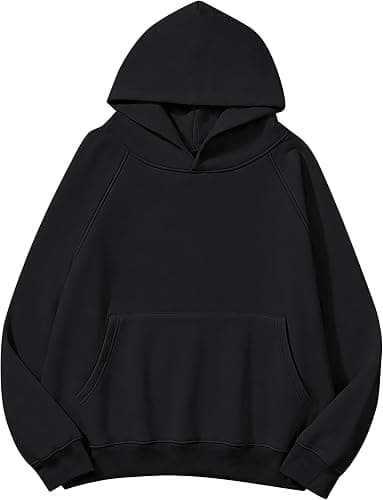
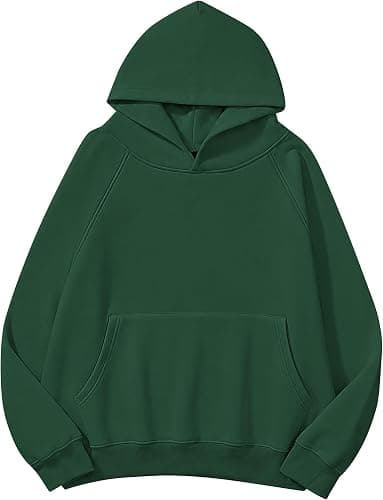
Specifying a Hoodie for a UK Streetwear Label
By The Velocity Wear Team
The UK streetwear customer is a difficult one to sell to, in a useful way. They own hoodies from brands that do this well, they know what 400 GSM feels like, and they will assess your product in about four seconds of handling. That is bad news for anyone hoping to compete on photography and good news for anyone willing to specify properly, because the differences are all nameable.
Weight, honestly
Around 300 GSM is a light hoodie and it is what a lot of standard blank programmes ship. It is not a bad garment and it will not carry a premium price in this market. 380 GSM is a proper midweight. 450 GSM is heavyweight, and it is the weight that makes a boxy silhouette actually stand rather than hang.
The relationship between weight and fit is the part new labels miss. An oversized pattern in light fleece does not read as oversized, it reads as too big. The structure comes from the fabric.
Loopback or brushed back: pick deliberately
Unbrushed loopback french terry shows the loops on the inside, feels drier and more textured, holds its shape and resists pilling. Brushed-back fleece is napped for immediate softness, feels warmer, and will pill more over a long life.
Loopback is the choice that reads premium and ages well, and it is what most of the UK labels selling at higher price points are using. Brushed wins the first touch. If your product is sold online and judged on arrival, loopback is generally the better bet; if it is sold in person off a rail, brushed can win the moment.
The details that carry the price
- Twin-needle topstitching at the seams, or a visible flatlock. It is the first thing anybody looking closely will notice.
- Self-fabric taping at the neck and shoulder seam. Cheap to specify, immediately visible when the hood is folded back.
- Rib with genuine recovery at cuffs and hem, composition stated. Rib that goes slack is what makes a six-month-old hoodie look two years old.
- A two-panel hood, lined in self fabric, with metal-tipped drawcords through metal eyelets.
- Bar tacks at the pocket openings, which is where a kangaroo pocket fails.
- A woven label rather than a printed one, or a clean tagless print if you are going that way. This is one of the few places a small brand is directly compared to a large one.
Fit is three numbers
Boxy, cropped, oversized and relaxed are all marketing words. The specification is chest width, body length and shoulder width at your base size, and their relationship to each other. A boxy hoodie has a chest close to or exceeding its body length and a shoulder seam that sits well past the wearer's actual shoulder.
Specify those, get a sample, put it on, and adjust in centimetres. Sending a reference image and asking for "that fit" is how you get somebody else's interpretation of an adjective.
Decoration that belongs on the garment
Heavyweight fleece supports decoration with presence — puff print, high-density screen print, embroidery, applied patches, all of which read as considered. A thin single-colour transfer on 450 GSM fleece looks like what it is: an expensive garment with a cheap graphic on it.
Tell your supplier the base is heavyweight fleece when you send artwork. Embroidery on pile needs backing specified for it or the stitching sinks into the surface, which is the usual reason a logo that looked crisp on a tee looks muddy on a hoodie.
Test before you commit
None of this can be judged from a document. Get a sample, wear it for a fortnight, wash it several times, and look at the rib, the print and the neck afterwards. Then order — 20 pieces per design with mixed sizes included is enough to launch properly, and production runs 10 to 15 working days from approval, so the sampling round is where the calendar should go.