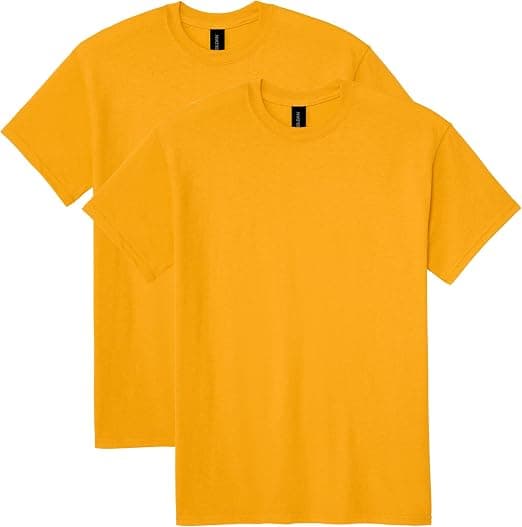
Merch Works Better as a Membership Badge Than a Revenue Line
By The Velocity Wear Team
Merch is usually justified as an additional revenue stream and then judged on the margin it produces. On those terms most of it looks marginal — small volumes, real costs, modest returns. The framing is wrong. Merch is bought as a statement of affiliation, and once you accept that, almost every decision changes.
What people are actually buying
A garment with your name on it is worn in public. Wearing it says something about the person wearing it, to everyone who sees it. That is the product: a way of declaring an affiliation that would otherwise be invisible.
This is why merch that looks like advertising fails and merch that looks like clothing succeeds. Nobody wants to be a billboard. Everyone is willing to signal something about themselves, if the signal is one they are happy to send.
What changes when you accept this
- 1**Design for the wearer, not the brand.** The question is not "is our logo big enough" but "would someone wear this if they had not been given it".
- 2**Quality stops being optional.** A garment worn repeatedly in public is a garment that has to survive being worn repeatedly in public. A thin tee makes the affiliation look cheap.
- 3**Restraint outperforms coverage.** A small mark on a good garment is worn far more than a full-front print, and gets seen more as a result.
- 4**Scarcity means something.** If merch signals membership, limiting it makes the signal stronger. Continuous availability makes it merchandise.
The measurement problem
If merch is a signal rather than a product, unit margin is the wrong metric. What matters is how often it is worn, how visible it makes your customers to each other, and whether owning it changes their relationship with you.
Those are harder to measure, but not impossible. Are customers posting in it unprompted? Do people ask where it came from? Does the group of people who own it behave differently — buy more, stay longer, advocate more? Those questions are answerable and they are the ones that matter.
The give-away trap
Free merch is the fastest way to destroy the signal. If everyone has one, having one says nothing, and the garment stops being a badge and becomes stock.
This does not mean never giving it away — it means giving it to people for a reason that is legible to others. Earned merch keeps its meaning; distributed merch does not.
What this means for a first run
Make fewer, better pieces. A 20-piece minimum makes a genuinely small, high-quality run possible, and 20 excellent garments worn constantly by people who chose them does more than 500 thin ones in drawers. The economics look worse per unit and better in every way that matters.