Hoodies for Societies: size splits
By The Velocity Wear Team
Sizes mix freely inside the 50-piece minimum, and a society is in the rare position of being able to ask every buyer their size before ordering. Do that and the split solves itself. The work is in running the form properly: publishing real measurements, closing it on time, and deciding in advance what happens to hoodies nobody collects.
Should you collect sizes or estimate them?
Collect them. A society knows who is buying, which a shop does not, so guessing a curve throws away your biggest advantage. Put the size question in the same form as the payment, make it required, and include a measurement table rather than only letters, because a member who picks large from habit and then finds the fit is oversized will blame the order and not themselves. Where estimation still has a role is the buffer: a handful of extra pieces in the middle sizes for late joiners and replacements. The wholesale hoodie minimum is per design rather than per size, so building that buffer in costs nothing structurally.
How does the fit change what people should order?
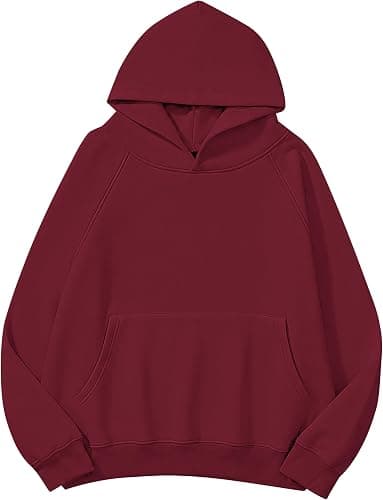
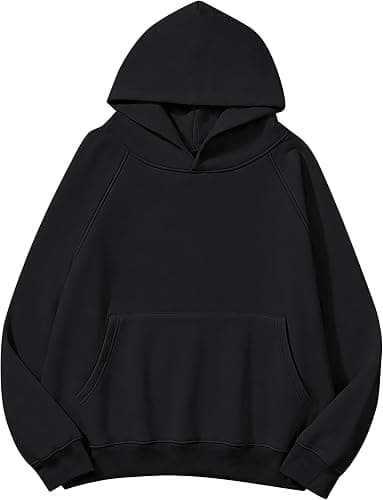
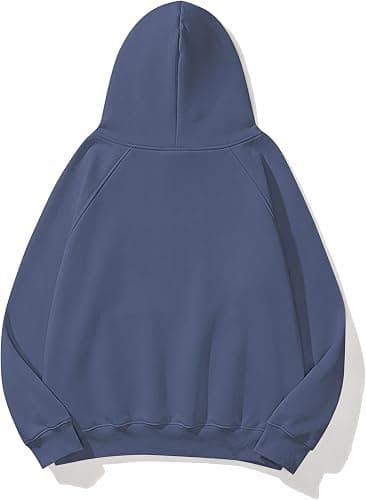
Our fits run from classic through to oversized, and the same labelled size wears very differently across that range. An oversized body reads roughly a size larger than a classic cut, so if the committee picks oversized and the form does not say so, half the society will order up out of habit and end up swimming in it. State the fit on the form in plain words, give the chest measurement for each size, and if you have a sample, take it to a meeting so people can try it. Apparel Sizing and Fit lists the measurement points worth publishing.
What do you do with unclaimed hoodies?
Decide before you order, not after. Unclaimed pieces are usually the result of people paying and then leaving, or a buffer that did not sell. Sensible options: hold them for next term as replacements, sell them at a society social at the price you paid, or keep two or three back as committee spares. What does not work is adding the loss to next year problem, because the incoming committee inherits a box and no context. If the same sizes go unclaimed two years running, that is your curve telling you something ahead of the next order.
Does the split change the price or the timeline?
No on both counts. The cost follows total quantity and specification, so the tiers from 50-99 upwards apply to the whole run rather than to any one size, and production stays at 10 to 15 working days from artwork approval however many sizes are involved. The only deadline attached to the split is your own: the final numbers need to be with the order before blanks are cut, which in practice means the form has to close before artwork approval rather than after it. Societies ordering alongside school leavers groups can see the same process on our schools and leavers pages.
One small wording change saves a lot of trouble: ask for the size the member wants to receive, not the size they normally wear. Those are different questions once an oversized cut is involved, and the second one invites people to answer from memory of a garment that has nothing to do with yours. Put a one-line description of how the hoodie is cut at the top of the form, and the chest measurement beside each option in the dropdown rather than in a table lower down that nobody scrolls to.
Plan the handout with the same care as the order. Sort the boxes by size before anyone arrives, tick names off a printed list rather than from memory, and set two or three collection slots instead of telling a hundred people to come whenever suits them. Societies that skip this end up with a bag of unlabelled hoodies and a fortnight of messages asking whether anybody has seen a medium.