Hoodies for Societies: reordering
By The Velocity Wear Team
A society reorder is a new production run, so the 50-piece minimum and the 10 to 15 working day window apply again. The difference from a commercial restock is the handover: the committee placing the second order is often not the one that placed the first. What survives that gap in writing determines whether the new run matches the old one.
What has to survive committee handover?
A short document, kept somewhere the society controls rather than in a graduating student email account. It needs the print-ready artwork at output size, the garment colour and fabric weight, the fit, the print placements and their dimensions, the size split ordered and the split that was actually claimed, the supplier and the previous order reference, and the location of the approved sample. That is ten minutes of writing that saves the next committee a fortnight. Societies that lose it end up re-approving artwork from a photograph and wondering why the colour drifted. Can I Reorder the Same Design Later? covers the general mechanics of repeating a run.
Will this year hoodies match last year?
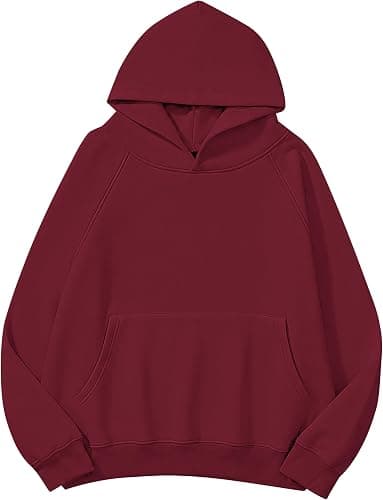
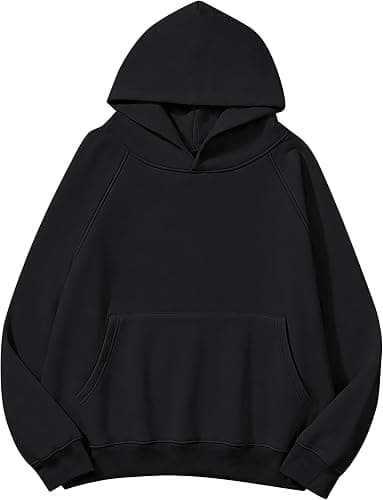
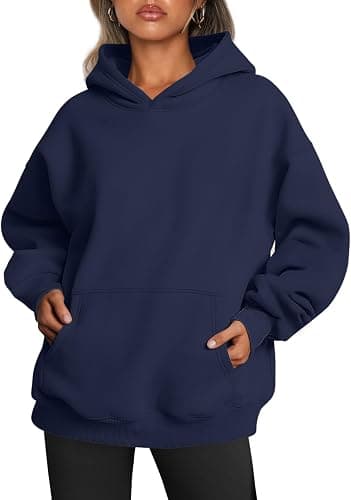
Ink colour repeats reliably because it is specified. Garment dye can shift slightly between fabric batches, which is normal in apparel, and a year between runs makes that a little more likely. In a society context it matters mainly when old and new members stand together in photographs, so it is worth mentioning rather than hiding. Matching against the retained sample narrows the gap considerably, which is the practical reason for keeping it. If exact matching is critical, order fewer and larger runs rather than a small one every term. The hoodie ordering page sets out the quantities involved.
Should the design change with the year?
That is a society decision rather than a production one, and both approaches work. A fixed design builds recognition across intakes and makes every reorder cheap in effort. A year-specific design, with the academic year printed somewhere, sells better to members who want to mark their time and gives you a reason to restock annually. Some societies do both: a permanent crest on the chest and a changing detail on the sleeve. Bear in mind that any change to artwork means a fresh approval, and a change of garment colour counts as a new design against the minimum. Sports societies weighing this up will find Club Hoodies for UK Sports Clubs useful.
How many should the next order be?
Use the claimed numbers from last year rather than the ordered numbers, and go up a tier if the trend supports it. Pricing steps at 50-99, 100-249, 250-499, 500-999 and 1,000 and above, with up to 35% off the 50-piece rate at the top, so a society whose membership has grown is leaving money on the table by reordering at the minimum out of caution. Committees managing this alongside school and leavers orders can see the wider process on our schools and leavers pages.
There is also a case for opening the reorder to people who have already graduated. Alumni buy society kit, particularly in a year with an anniversary attached to it, and they are the easiest group to sell to because they know exactly what the garment is. Including them costs nothing beyond a wider announcement, and it is frequently what lifts a run out of the bottom tier. Collect their orders on the same form and hold them to the same deadline as everyone else.
Record what you charged members as well as what you paid. Costs move between years, and an incoming committee working from last year member price against this year quote is the quickest route to a shortfall nobody notices until the invoice lands. Keep the quote, the final invoice and the member price together in the same handover note, so the next order starts from figures rather than from a number somebody half-remembers.