Hoodies for Retailers: reordering
By The Velocity Wear Team
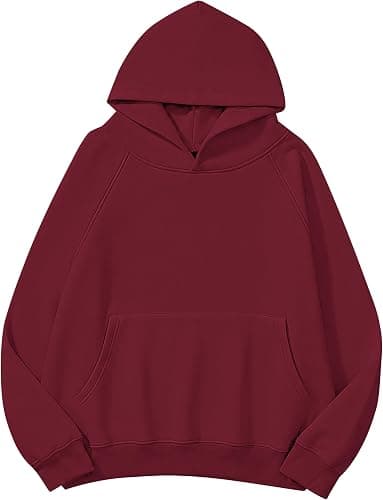
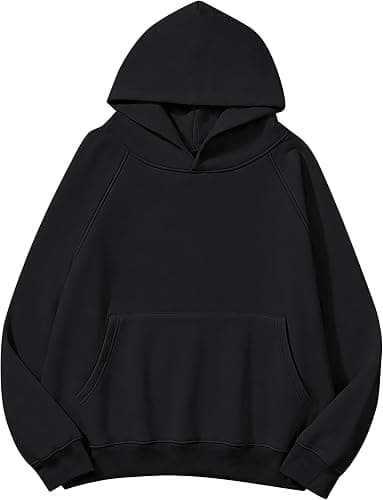
Reordering a hoodie is straightforward if run one was specified properly: the same artwork, the same garment specification and the same 50-piece minimum per design. The variable that catches retailers out is dye lot. Fabric dyed in a different batch can sit a shade off, so a restock should be ordered against a retained reference garment rather than a colour name.
Why do two runs of the same hoodie look different?
Fleece is dyed in batches. Two batches to the same recipe land within a commercial tolerance of each other, but a customer holding last season's hoodie next to this season's one can see the difference on a mid-grey or a washed pastel more easily than on black. Print has the same issue at a smaller scale: an ink mixed twice to the same Pantone is close but not laser-identical. None of this matters for a staff uniform. It matters a great deal when both runs hang on the same rail.
The fix is to keep the approved sample from run one and send it back as the match reference for run two, or to buy deeper on run one so the whole season comes out of one dye lot. Volume discounts run up to 35% as quantity rises, so a single deeper order usually costs less per piece than two shallow ones.
What should you record after the first run?
Keep a one-page order record per line, not a memory of the conversation. It should carry the garment weight in GSM, the fit name, the exact colour reference, the decoration method and position with measurements, the thread or ink Pantones, the neck label specification and the size curve you actually sold through. The last of those is the most valuable and the least often kept. Run one is a guess at the size split; run two should be corrected by what sold out first and what sat on the rail in week six.
How does sell-through change the restock quantity?
Read the curve rather than the total. If the mediums and larges cleared in three weeks and the extra-smalls are still there, the correct restock is not a scaled copy of run one. It is 50 or more pieces weighted into the sizes that moved, which may mean dropping a size from the range entirely. That reshaping is where the margin is, and it is a decision you can only make once you have a season of data. Where the sizing conversation gets more complicated is on a mixed order for a client rather than a rail, and we go through that in hoodies for agencies: size splits.
Can you keep the artwork on file between runs?
Yes. Approved artwork, screens and embroidery digitising are retained, so a repeat order skips the setup conversation and goes straight into production scheduling. That does not shorten the 10 to 15 working day production window, but it removes the back-and-forth that normally sits in front of it. The general rules for repeating a design are set out in can I reorder the same design later.
How deep should the first run be?
Deeper than a pure test, shallower than a season. The tension is real: a shallow first run at 50 pieces limits your exposure but leaves you in the entry quantity band and forces a second order at the same rate if the line sells. A deep first run gets you a better per-piece price and one consistent dye lot, but commits stock to a design the market has not seen yet. For a retailer with a track record in the category, buying the season in one run is usually the right call. For a new line or a new price point, take the higher unit cost on 50 and treat it as the cost of finding out.
One thing that tips the balance is whether the design is seasonal. A hoodie that can hang on the rail all year tolerates a deeper first buy, because unsold stock is simply next month's stock rather than a markdown waiting to happen.
If you are changing the decoration method on the restock rather than repeating it, treat that as a new line and sample it again — the reasoning is in hoodies for retailers: print or embroidery. Current weights and from-prices are on the wholesale hoodies page, and the rest of the catalogue sits under wholesale.